
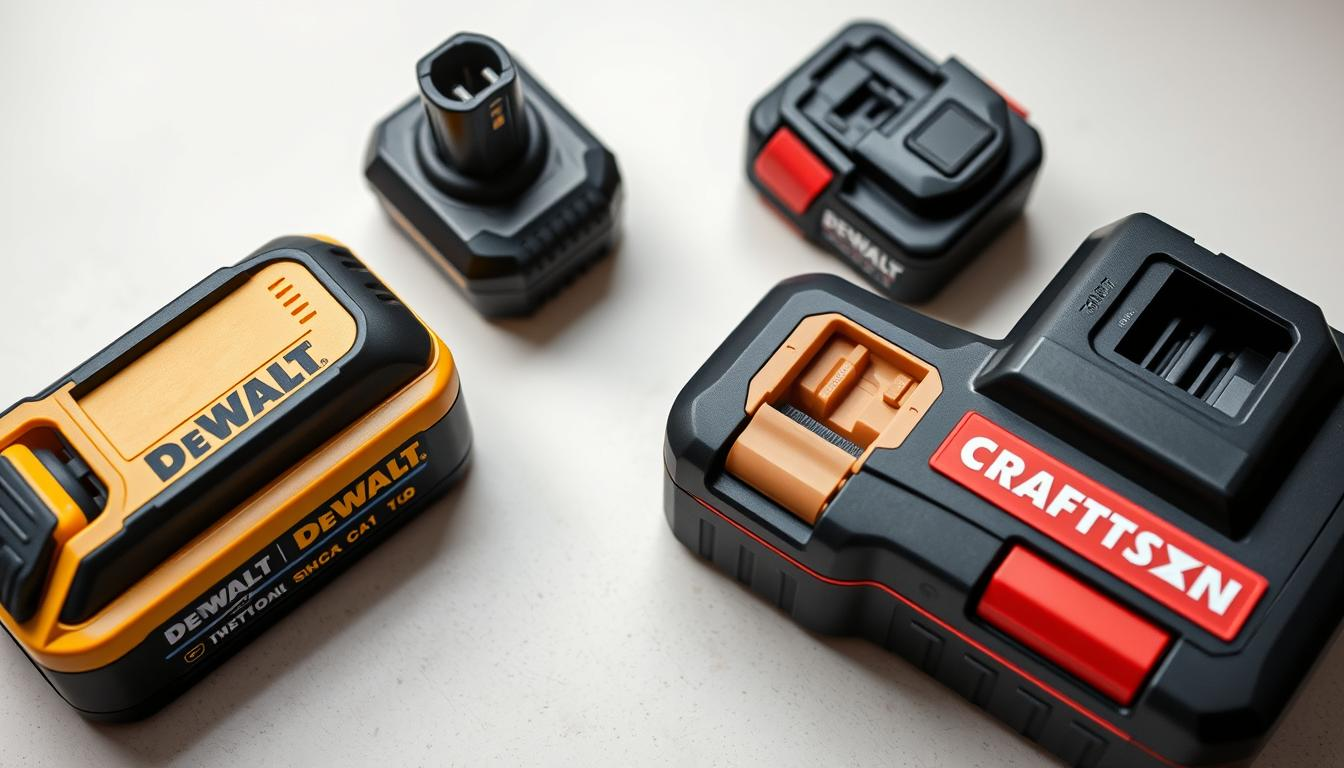
For power tool users, battery compatibility is a crucial consideration. With numerous brands available, understanding whether batteries from different manufacturers can be used interchangeably is essential.
DeWalt and Craftsman are two prominent brands in the power tool industry. While both offer high-quality products, their battery systems may differ. The question remains: can DeWalt and Craftsman batteries be used interchangeably?
Understanding the compatibility of these batteries is vital for users who rely on these tools for their work or projects.
Key Takeaways
- DeWalt and Craftsman batteries have different designs and compatibility.
- Battery compatibility is crucial for power tool users.
- Understanding battery interchangeability can save time and money.
- DeWalt and Craftsman offer high-quality power tools with unique features.
- Battery compatibility affects the overall performance of power tools.
Overview of DeWalt and Craftsman Batteries
When it comes to power tool batteries, DeWalt and Craftsman stand out as leading brands, but their compatibility and features can be quite different. Both brands have their loyal followings, with DeWalt batteries known for their high capacity and long lifespan, while Craftsman batteries are recognized for their reliability and affordability.
Key Features of DeWalt Batteries
DeWalt batteries are renowned for their robust performance and durability. They offer a range of voltage ratings, from 12V to 60V, catering to various power tool applications. One of the standout features of DeWalt batteries is their high capacity, measured in Ampere-hours (Ah), which indicates how much energy the battery can store. For instance, DeWalt’s 20V MAX batteries are popular among professionals due to their high energy density and long cycle life.
Moreover, DeWalt batteries incorporate advanced battery management systems to ensure safety and efficiency. These systems monitor the battery’s state of charge, voltage, and temperature, preventing overheating and overcharging. As a result, DeWalt batteries are not only powerful but also reliable and safe to use.
Key Features of Craftsman Batteries
Craftsman batteries, on the other hand, are designed with a focus on reliability and user-friendliness. They also offer a variety of voltage options, including 19.2V and 20V platforms, making them compatible with a wide range of Craftsman power tools. Craftsman batteries are known for their robust design and affordability, making them an attractive choice for both professionals and DIY enthusiasts.
A notable feature of Craftsman batteries is their compatibility with various Craftsman tools, allowing users to share batteries across different devices. This interoperability can be particularly convenient for those with multiple Craftsman tools. Additionally, Craftsman batteries are designed with safety features such as overcharge protection, ensuring safe operation and longevity.
Understanding Battery Compatibility
The compatibility of DeWalt and Craftsman batteries is a crucial factor in determining their usability across different power tools. When considering switching between DeWalt and Craftsman batteries, it’s essential to understand the technical aspects that influence their compatibility.
Battery compatibility is not just about fitting the battery into the tool; it’s about ensuring that the voltage, physical dimensions, and connections are compatible. Let’s dive into the specifics.
Voltage Compatibility Explained
Voltage compatibility is a critical factor when assessing the cross compatibility of DeWalt and Craftsman batteries. Different power tools require specific voltage ratings to operate efficiently. DeWalt and Craftsman batteries come in various voltage ratings, such as 18V, 20V, and 40V.
The voltage rating of a battery must match the requirements of the power tool. Using a battery with a different voltage rating can lead to suboptimal performance or even damage the tool. The following table illustrates the different voltage ratings available for DeWalt and Craftsman batteries.
| Brand | Voltage Ratings Available |
|---|---|
| DeWalt | 18V, 20V, 40V, 60V |
| Craftsman | 18V, 20V, 24V, 40V |
Physical Dimensions and Connections
Apart from voltage compatibility, the physical dimensions and connections of the batteries are also crucial. DeWalt and Craftsman batteries have different designs, which affect their compatibility with various power tools.
The physical dimensions, including the shape and size of the battery, must be compatible with the tool’s battery compartment. Moreover, the connections (e.g., the type and number of terminals) must match to ensure proper electrical contact.
When evaluating the compatibility of DeWalt and Craftsman batteries, it’s clear that both brands have their unique specifications. Understanding these differences is key to making informed decisions about battery usage across different power tools.
Similarities Between DeWalt and Craftsman Batteries
Upon closer inspection, DeWalt and Craftsman batteries reveal a range of similarities that are worth exploring. These similarities are crucial in understanding whether these batteries can be used interchangeably.
Battery Chemistry and Technology
Both DeWalt and Craftsman batteries utilize lithium-ion technology, which is a significant similarity. Lithium-ion batteries are known for their high energy density, long cycle life, and relatively low self-discharge rate. This technology is a cornerstone in modern power tool batteries, providing users with reliable and efficient power.
The use of lithium-ion technology in both brands means that they share many performance characteristics. For instance, they both offer high discharge rates, which are essential for powering demanding tools. Additionally, their batteries are designed to be durable, withstanding the rigors of frequent use.
Similar Voltage Ratings
Another key similarity is that both DeWalt and Craftsman batteries come in similar voltage ratings, such as 20V. This similarity in voltage ratings is crucial because it indicates that, in theory, batteries from one brand could potentially be used with tools from the other brand, provided there are compatible connectors or adapters.
The table below highlights some of the key similarities between DeWalt and Craftsman batteries, including their voltage ratings and battery chemistry.
| Feature | DeWalt | Craftsman |
|---|---|---|
| Battery Chemistry | Lithium-ion | Lithium-ion |
| Voltage Ratings | 20V, 40V, 60V | 20V, 40V |
| Energy Density | High | High |
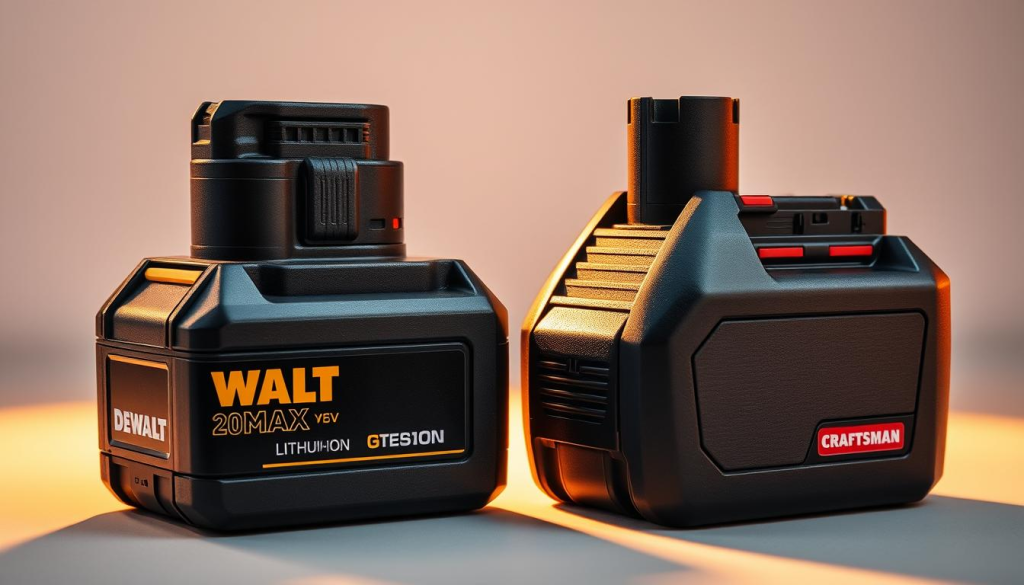
The similarities in battery chemistry and voltage ratings between DeWalt and Craftsman batteries suggest that there are opportunities for interoperability, potentially through the use of third-party adapters. However, any such use should be approached with caution, considering factors like safety and warranty implications.
Differences Between DeWalt and Craftsman Batteries
When comparing DeWalt and Craftsman batteries, several key differences emerge that can significantly impact their compatibility and performance. These differences are not limited to their design and shape but also extend to specific features that are unique to each brand.
Design and Shape Discrepancies
One of the primary differences between DeWalt and Craftsman batteries lies in their design and shape. DeWalt batteries are known for their robust build and ergonomic design, which enhances user comfort and durability. In contrast, Craftsman batteries, while also durable, may have a different form factor that could affect their compatibility with certain power tools.
The physical dimensions and connections of these batteries vary, making it challenging to interchange them without adapters or modifications. For instance, DeWalt batteries often have a specific connector that may not fit Craftsman tools, and vice versa.
Specific Features Unique to Each Brand
DeWalt batteries are renowned for their high-capacity options, which provide extended runtime and enhanced performance for demanding tasks. On the other hand, Craftsman batteries are appreciated for their affordability and reliability, making them a popular choice among DIY enthusiasts and professionals alike.
Some of the unique features of DeWalt batteries include:
- Advanced battery management systems for optimized performance
- High-capacity cells for longer runtime
- Durable construction to withstand harsh work environments
Craftsman batteries, while different, offer their own set of advantages:
- Affordable pricing without compromising on quality
- Reliable performance for a variety of tasks
- Compatibility with a range of Craftsman power tools
Understanding these differences is crucial when deciding whether to use DeWalt batteries with Craftsman tools or vice versa. While there are potential workarounds, such as adapters, it’s essential to consider the implications of mixing batteries from different brands.
Consumer Experiences: Interchanging Batteries
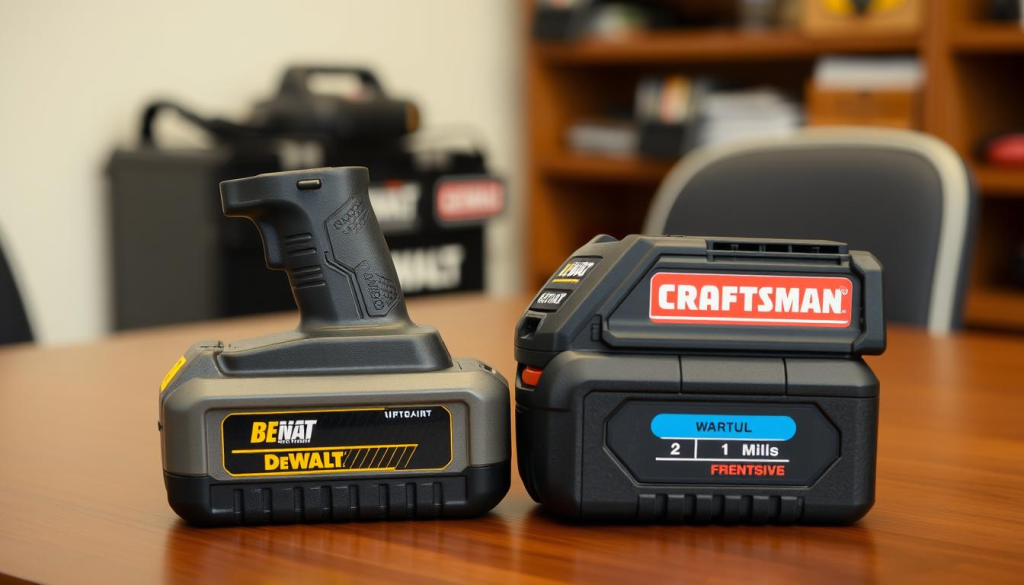
Consumers have been exploring the possibility of using DeWalt and Craftsman batteries interchangeably, driven by convenience and cost savings. This practice has led to a mix of outcomes, with some users reporting successful adaptations, while others have faced challenges.
Real-Life Case Studies
Several users have attempted to interchange DeWalt and Craftsman batteries, with varying degrees of success. For instance, some have successfully used third-party adapters to make Craftsman batteries compatible with DeWalt tools. However, others have reported issues with performance and safety.
- A user on a DIY forum reported using a third-party adapter to fit a Craftsman battery into a DeWalt drill, achieving satisfactory performance.
- Another user experienced reduced battery life when interchanging batteries, attributing it to the different battery management systems.
- Some professionals have expressed concerns about the safety implications of mixing batteries from different manufacturers.
User Testimonials on Performance
User testimonials provide valuable insights into the real-world performance of interchanging DeWalt and Craftsman batteries. While some users have reported satisfactory results, others have encountered issues.
- A construction worker shared that using a DeWalt battery with a Craftsman tool resulted in reduced runtime but did not affect the tool’s performance otherwise.
- A DIY enthusiast reported that interchanging batteries led to inconsistent power output, affecting the quality of their work.
These testimonials highlight the importance of considering both the benefits and risks associated with interchanging batteries.
Third-Party Solutions for Battery Compatibility
The quest for compatibility has led to the development of third-party adapters that can bridge the gap between DeWalt and Craftsman batteries. These adapters offer a potential workaround for users who need to interchange batteries between tools from different manufacturers.
Adapters and Modifications
Third-party adapters are designed to make Craftsman batteries compatible with DeWalt tools, providing users with more flexibility. These adapters can be particularly useful for professionals who rely on a variety of tools from different brands. However, it’s essential to note that using such adapters may require modifications to the tool or battery, which can be a daunting task for those without technical expertise.
“Using third-party adapters can be a game-changer for many professionals,” says a tool industry expert. “However, it’s crucial to weigh the benefits against the potential risks.” The key is to understand the implications of such modifications.
Risks of Using Third-Party Solutions
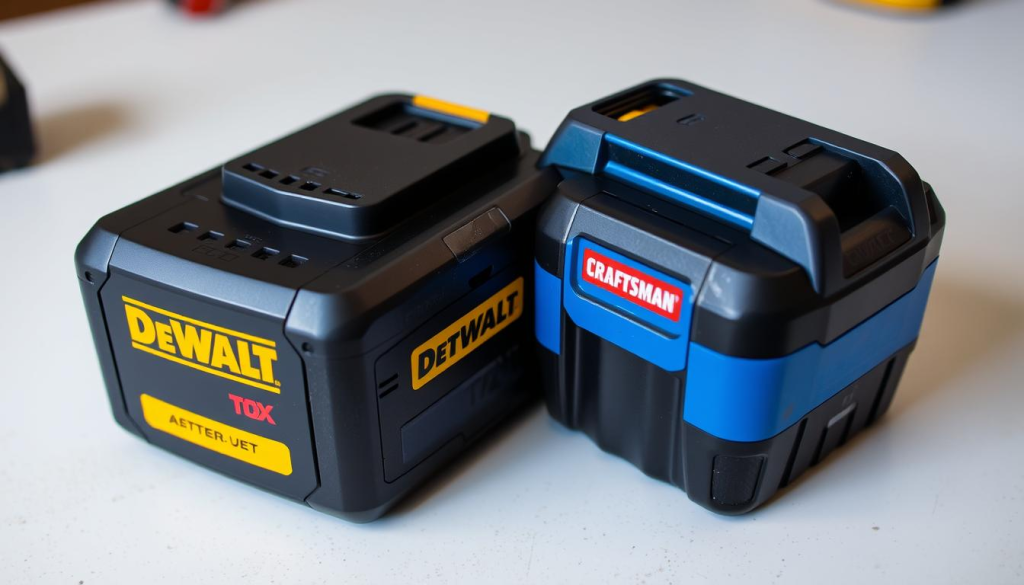
While third-party adapters can offer a solution to compatibility issues, they come with significant risks. Using these adapters can void warranties, as manufacturers may not cover damages resulting from the use of non-approved accessories. Moreover, there’s a risk of compromising safety, as third-party adapters may not meet the same safety standards as original equipment.
- Potential for electrical shock or fire hazards
- Risk of damaging the tool or battery
- Voiding of manufacturer warranties
As one user testimonial highlights, “I tried using a third-party adapter, but it ended up damaging my tool. It was a costly mistake.” This underscores the importance of carefully considering the risks before opting for third-party solutions.
Safety Considerations When Mixing Batteries
Safety considerations are crucial when mixing DeWalt and Craftsman batteries, as improper use can result in dangerous consequences. Interchanging batteries between different brands can pose significant risks, including overheating, fires, or explosions, primarily due to differences in battery chemistry, design, and voltage ratings.
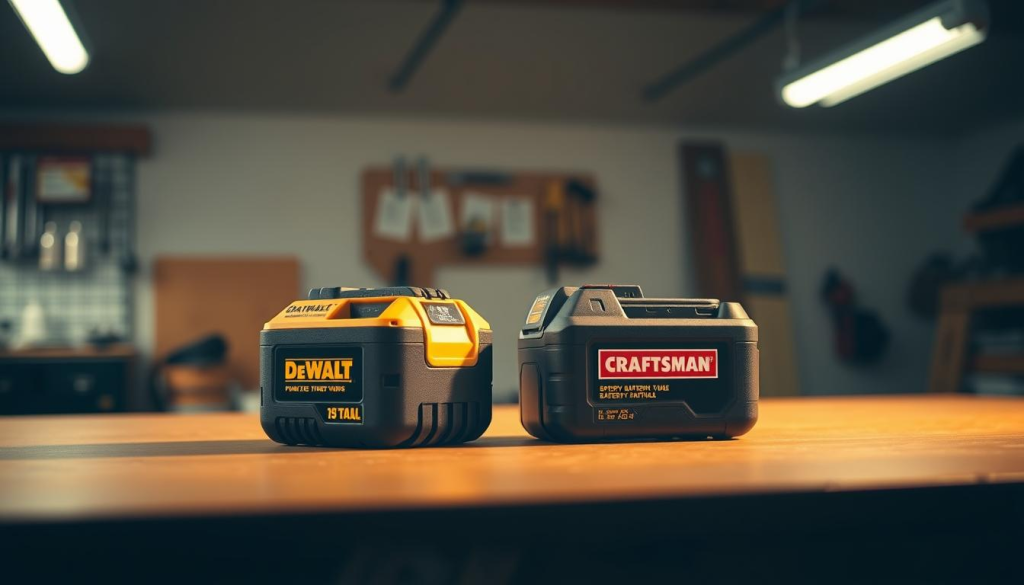
Potential Hazards of Interchanging Batteries
When you mix DeWalt and Craftsman batteries, several hazards can arise. Overheating is a common issue, as different batteries may have varying internal resistances and chemistries that can lead to excessive heat generation during use. Moreover, incompatible batteries can cause fires or explosions due to the mismatch in their electrical properties and design specifications.
The risk is further compounded by the physical differences between DeWalt and Craftsman batteries. Variations in connector designs and dimensions can lead to poor connections, which may cause sparking or electrical shorts, potentially resulting in a fire.
Safety Tips for Users
To minimize the risks associated with mixing DeWalt and Craftsman batteries, users should adhere to the following safety tips:
- Always check the battery voltage and chemistry compatibility before interchanging.
- Inspect the physical condition of the batteries and their connectors for any signs of wear or damage.
- Avoid using adapters or modifications that are not approved by the manufacturer, as they can introduce additional risks.
- Follow the manufacturer’s guidelines for battery usage and maintenance.
By being aware of the potential hazards and taking necessary precautions, users can reduce the risks associated with mixing DeWalt and Craftsman batteries.
Recommendations for Battery Usage
Maximizing battery lifespan and performance requires a combination of proper maintenance and informed usage practices. Both DeWalt and Craftsman batteries benefit from careful handling and maintenance.
Best Practices for Battery Maintenance
To extend the life of your batteries, store them in a cool, dry place away from metal objects that could cause a short circuit. Regularly cleaning the battery contacts with a dry cloth can also help maintain optimal performance.
Key Maintenance Tips:
- Avoid deep discharging; recharge batteries when they’re half empty.
- Update your tool’s firmware regularly, if applicable.
- Monitor battery health and replace batteries that are no longer holding a charge.
Choosing the Right Battery for Your Projects
Selecting the appropriate battery for your tools involves considering the voltage and ampere-hour (Ah) rating. Higher voltage batteries provide more power, while higher Ah ratings indicate longer runtime.
| Project Type | Recommended Voltage | Recommended Ah Rating |
|---|---|---|
| Light DIY Tasks | 18V | 2-4Ah |
| Heavy-Duty Construction | 20V or higher | 5Ah or higher |
| Landscaping and Gardening | 18V-20V | 4-5Ah |
By following these guidelines, you can optimize the performance and lifespan of your DeWalt and Craftsman batteries, ensuring they meet your tool’s demands efficiently.
Evolution of Battery Technology in Power Tools
The landscape of power tool technology is undergoing a significant transformation, driven by advancements in battery technology. As manufacturers continue to push the boundaries of innovation, battery performance, safety, and compatibility are being redefined.
Trends in Battery Development
Recent trends in battery development have focused on enhancing energy density, reducing charging times, and improving overall battery lifespan. Lithium-ion batteries have become the standard in the power tool industry due to their high energy density and relatively low self-discharge rates. According to a leading industry expert, “The shift towards lithium-ion batteries has been a game-changer, offering users more power and flexibility.”
Another significant trend is the development of smart battery technology, which integrates electronics into the battery pack to monitor and control various parameters such as state of charge, temperature, and discharge rate. This technology enhances safety and optimizes battery performance.
What’s Next for Battery Technology?
Looking ahead, the future of battery technology in power tools is expected to be shaped by several key factors. One of the most anticipated advancements is the development of solid-state batteries, which promise even higher energy density, faster charging times, and improved safety compared to traditional lithium-ion batteries.
As battery technology continues to evolve, it is likely to have a significant impact on the compatibility and performance of DeWalt and Craftsman batteries.
The future of power tool batteries lies in their ability to be both powerful and compatible across different platforms,
notes an industry analyst. This compatibility is crucial for consumers who use multiple tools from different brands.
The ongoing advancements in battery technology will not only enhance the performance and safety of power tools but also influence the interchangeability of batteries between brands like DeWalt and Craftsman. As the industry moves forward, consumers can expect to see more versatile and efficient battery solutions.
Conclusion: Should You Mix DeWalt and Craftsman Batteries?
When considering whether to mix DeWalt and Craftsman batteries, it’s essential to weigh the potential benefits against the risks. While it is technically possible to use third-party adapters to make these batteries interchangeable, this approach is not recommended due to safety concerns and potential damage to tools and batteries.
Key Considerations for Consumers
Consumers should prioritize safety and compatibility when deciding whether to mix DeWalt and Craftsman batteries. The risks associated with interchanging batteries, including potential hazards and damage to equipment, outweigh any perceived benefits.
Summary of Findings
In summary, while DeWalt and Craftsman batteries may share some similarities, they are not designed to be interchangeable. The differences in design, shape, and specific features unique to each brand can lead to compatibility issues. To ensure safe and optimal performance, it’s recommended to use batteries specifically designed for your power tools.
Ultimately, the decision to mix DeWalt and Craftsman batteries should be made with caution. By understanding the potential risks and taking steps to mitigate them, consumers can make informed decisions about their power tool usage and battery selection.