

Best Battery Powered Car Buffers: Cordless Polishers for Flawless Detailing
Gone are the days when achieving a showroom-quality shine on your car meant wrestling with tangled cords and hunting for power outlets. The world of car detailing has evolved, and at the forefront of this revolution are battery powered car buffers. These cordless wonders are transforming how enthusiasts and professionals alike approach car paint correction and detailing, offering unparalleled freedom and efficiency.
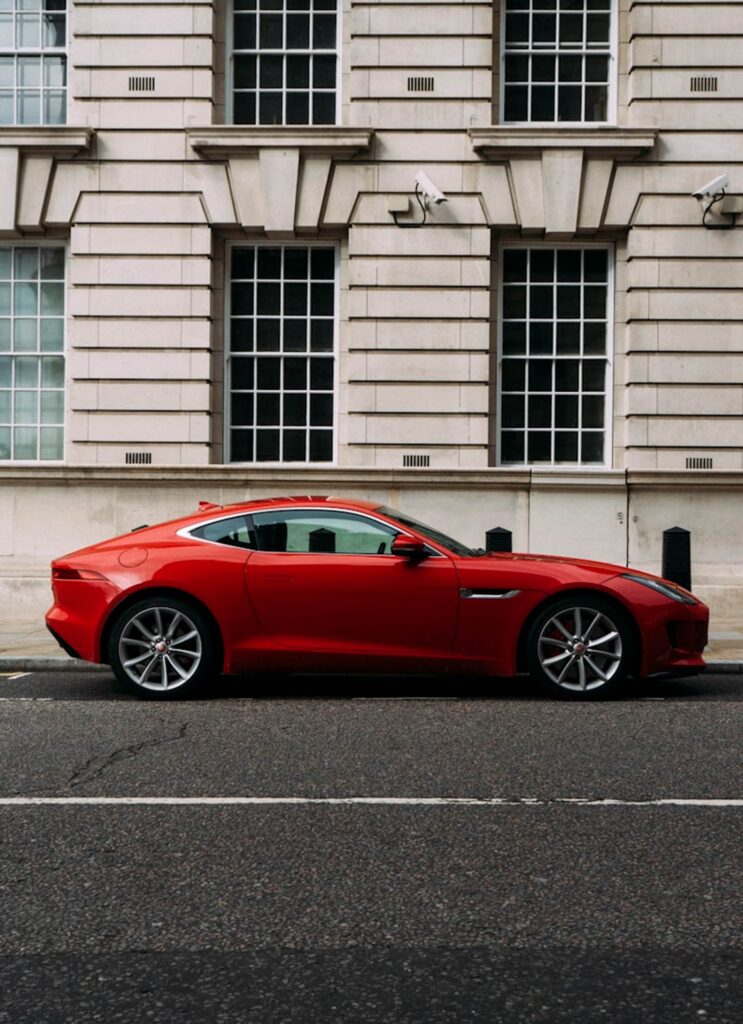
Figure 1: Cordless technology brings showroom results straight to your driveway.
If you’ve ever dreamt of perfecting your vehicle’s finish without the usual hassles, read on. This comprehensive guide will delve into everything you need to know about these innovative tools, from their undeniable advantages to choosing the ideal model for your detailing ambitions.
Introduction to Car Buffers: Why Cordless is Gaining Popularity
A car buffer, also commonly known as a polisher, is an indispensable tool for anyone serious about maintaining their vehicle’s aesthetic appeal and paint health. Its primary role is to polish and buff the paint, which not only enhances and prolongs its shine but also removes contaminants and preps the surface for protective layers like wax, sealant, or ceramic coatings. The result is a barrier against environmental factors like UV rays and bird droppings.
Central to this process is “paint correction”—the meticulous removal of surface scratches, swirl marks, hazing, marring, and other imperfections that accumulate over time. While this can seem like an uphill task, the outcome is incredibly rewarding, often revealing the car’s true paint color with a depth and clarity that surpasses its factory finish. Historically, this required heavy-duty corded machines. However, the surge in popularity of cordless car polishers is a testament to their transformative power and convenience, making professional-grade detailing more accessible than ever.
The Unbeatable Advantages of Battery Powered Car Buffers
The shift from corded to battery powered car buffers is driven by a host of compelling benefits that significantly enhance the detailing experience. These cordless car polisher benefits make the task not just easier, but safer and more enjoyable:
- Unrestricted Mobility: The most obvious advantage is the freedom from cords. You’re no longer tethered to a power outlet or constrained by extension cord length. This means you can polish your car anywhere—in your garage, driveway, or even at a car show for last-minute touch-ups.
- Enhanced Safety: Cords are notorious tripping hazards. A cordless polisher eliminates this risk, preventing accidents that could damage your vehicle or cause personal injury. There’s no longer a worry about inadvertently pulling the polisher out of an outlet or dragging a dirty cord across freshly polished paint.
- Improved Handling and Reduced Fatigue: Without a cumbersome cord to manage, cordless buffers are often easier to handle and maneuver. You won’t have to constantly adjust your stance or throw a cord over your shoulder, allowing you to focus purely on your polishing technique.
Figure 2: The ultimate convenience of detailing without cord restrictions.
- Versatility in Design: Battery-powered models come in a variety of shapes and sizes. From compact mini-polishers perfect for tight spaces and intricate details to larger orbital units for expansive surfaces like RVs or trailers, there’s a cordless option for almost every need.
- Advanced Battery Technology: Modern cordless polishers are equipped with high-capacity lithium-ion batteries that offer impressive runtimes. Many models can last for hours on a single charge, and features like battery indicators keep you informed of remaining power.
Understanding Car Polisher Types: Dual-Action, Rotary, and Orbital
Before diving into specific models, it’s crucial to understand the different types of car polishers available. Each type offers distinct characteristics suited for various detailing tasks and skill levels:
- Dual-Action (DA) Polisher: Also known as an orbital polisher, the dual action polisher is the go-to choice for most enthusiasts and beginners. It combines two motions: the pad rotates on a spindle and simultaneously oscillates in an eccentric pattern. This “wobble” effect mimics hand polishing and significantly reduces the risk of burning through paint, making it incredibly forgiving.
- Rotary Polisher: A rotary polisher features a pad that only spins in a single, circular motion at high speeds. While incredibly powerful and effective at removing deep scratches, rotary polishers have a steep learning curve. They generate a lot of heat, and improper technique can quickly lead to paint damage, including holograms or burning through the clear coat. For this reason, rotary polishers are generally recommended only for experienced professionals.
- Orbital Buffer: While dual-action polishers are technically orbital, some large, battery-operated orbital buffers are designed specifically for efficiently applying waxes and sealants over vast, flat surfaces (like RVs or boats) rather than aggressive paint correction.
Figure 3: Understanding pad movement is key to safe paint correction.

For the purpose of effective yet safe car paint correction by most DIYers, a dual action polisher is almost always the recommended tool.
Key Factors When Choosing a Cordless Car Buffer
Selecting the best cordless car buffers requires careful consideration of several key factors that impact performance, usability, and your overall detailing experience:
- Battery Life and Management: Look for models offering substantial runtime. It’s highly recommended to invest in a polisher that comes with at least two high-capacity batteries and a fast charger. This allows you to cycle batteries, charging one while using the other, ensuring uninterrupted workflow.
- Power and Performance: Check the Oscillations Per Minute (OPM) or Revolutions Per Minute (RPM) ratings. A good variable speed range allows for versatility, from gentle waxing to more aggressive defect removal.
- Ergonomics and Weight: A comfortable, well-balanced polisher is crucial. Look for rubberized grips, vibration-reduction features, and a weight distribution that doesn’t strain your wrists during long detailing sessions.
Figure 4: Modern lithium-ion batteries slide in quickly to keep your project moving.

A Step-by-Step Guide to Using a Car Buffer for Paint Correction
%3Fauto%3Dformat%252526fit%3Dcrop%252526w%3D800%252526q%3D80Mastering the use of a car buffer, especially for car paint correction, involves a proper, methodical approach to ensure you get that mirror-like finish safely.
1. Thorough Preparation is Key
- Wash: Begin with a meticulous wash of your vehicle to remove all loose dirt and grime.
- Decontaminate with a Clay Bar: Use a clay bar with a lubricating spray to gently remove embedded contaminants like brake dust, tree sap, and water spots. Skipping this step means you risk buffing these harsh contaminants into your paint, causing swirl marks.
2. The Polishing Technique
- Work in Small Sections: Focus on a small area (about 2×2 feet) at a time.
- Product Application: Apply 3 to 4 pea-sized drops of your chosen polishing compound directly onto a clean foam or microfiber pad.
- Start Slow: Place the pad flat against the paint before turning on the buffer. Start on a low speed setting to spread the product evenly.
- Overlapping Passes: Turn up the speed and use a slow, overlapping crosshatch pattern (up-and-down, then left-to-right), keeping the pad completely flat against the surface. Let the weight of the machine do the work—do not press down excessively!
- Wipe and Inspect: Turn off the buffer before lifting it from the paint. Wipe off the residue with a clean microfiber cloth to inspect your progress.
Figure 5: Dramatic before-and-after results show the true power of paint correction.

Top-Rated Battery Powered Car Buffer Models & Brands
The market for battery powered car buffers is flourishing. Here are some of the standout models that consistently receive high praise:
- Milwaukee FAP180 Polisher (M18 System): Renowned for its workshop-quality build, durability, and integration into Milwaukee’s extensive M18 battery ecosystem. It offers a quiet motor and eight adjustable speed settings.
- Batoca Cordless Polisher: Highly popular for its lightweight, ergonomic design and impressive 5000 OPM capability. It typically comes as a comprehensive kit with multiple pads and two batteries.
- Worx WX856L: This larger 10-inch orbital buffer is ideal for expansive surfaces like RVs, boats, or trailers, featuring a unique steering-wheel style grip for easy control.
- Draper D20: A fantastic all-rounder for the home enthusiast, featuring a random orbital action that balances general polishing with paint restoration.
Corded vs. Cordless Car Polishers: The Verdict
| Feature | Cordless Car Polishers | Corded Car Polishers |
| Mobility | Unlimited; work anywhere, anytime | Limited by outlet proximity and cord length |
| Safety | High; no tripping hazards or cord drag | Moderate; cord can scratch paint if not managed |
| Power | High (modern lithium-ion matches corded output) | Constant, unlimited power supply |
| Convenience | Excellent; grab-and-go setup | Requires setting up extension cords |
Ultimately, the freedom and safety offered by battery-powered technology make cordless car buffers the modern standard for DIYers and mobile professionals alike. By choosing a high-quality dual-action cordless polisher, you can safely unlock a jaw-dropping, professional-grade shine right in your own garage.