
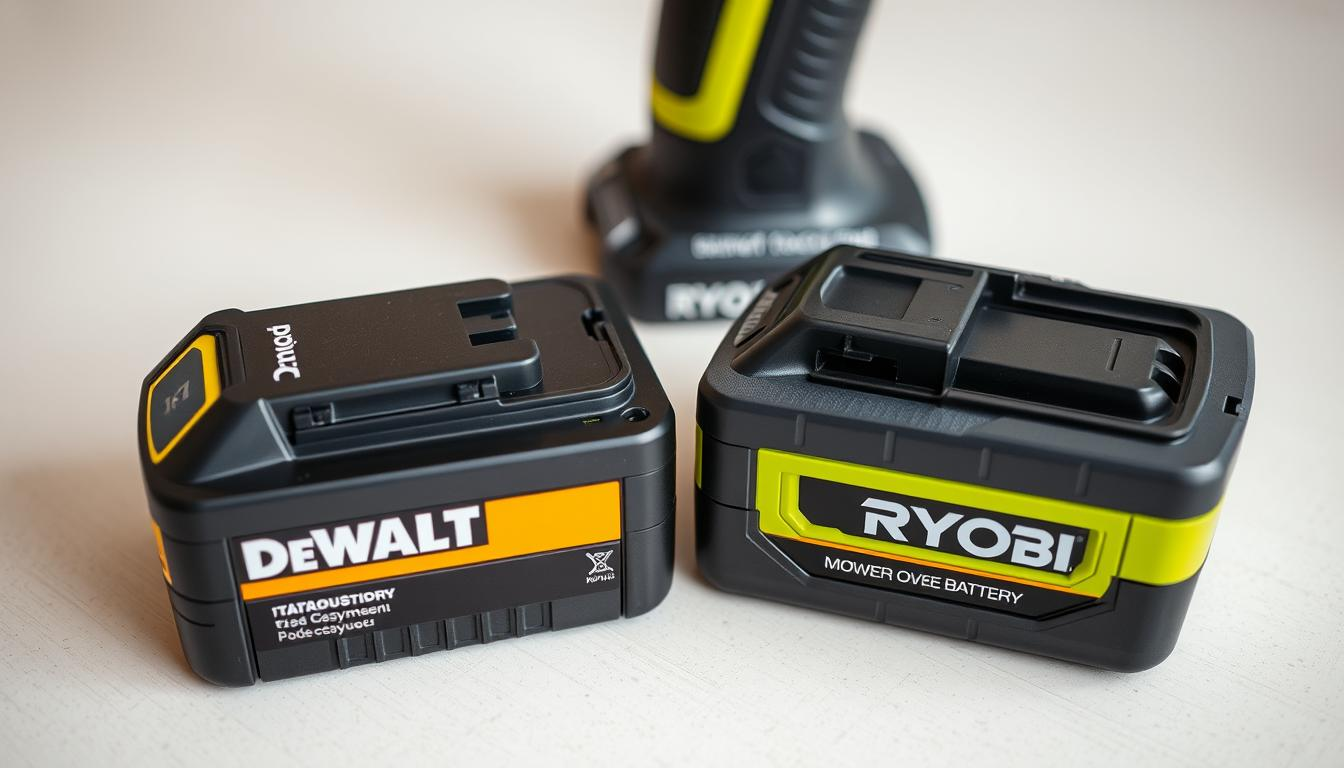
The compatibility of batteries across different power tool brands is a pressing concern for DIY enthusiasts and professionals alike. The convenience of interchangeable batteries within the same system is a significant advantage, making it essential to understand the compatibility between brands like Dewalt and Ryobi.
Understanding whether Dewalt batteries can be used in Ryobi tools is crucial for those invested in these brands. The potential benefits of cross-brand battery usage include cost savings and reduced downtime. However, there are also potential drawbacks, such as compatibility issues and potential damage to tools.
Key Takeaways
- Battery compatibility is crucial for tool performance and longevity.
- Using Dewalt batteries in Ryobi tools may offer convenience and cost savings.
- Compatibility issues can arise when using batteries across different brands.
- Understanding the specifications of both Dewalt and Ryobi batteries is essential.
- Potential risks include damage to tools and batteries.
Understanding Battery Compatibility
The question of whether Dewalt batteries can be used with Ryobi tools hinges on understanding battery compatibility. To address this, it’s essential to delve into the basics of power tool batteries and why their compatibility matters.
The Basics of Power Tool Batteries
Power tool batteries are designed to provide the necessary voltage and current to operate tools efficiently. Most modern power tools, including those from Dewalt and Ryobi, use lithium-ion (Li-ion) batteries due to their high energy density and relatively long cycle life. Li-ion batteries are preferred for their ability to hold a charge well and for being generally more lightweight than other types of batteries.
The design of these batteries includes various safety features, such as protection circuits to prevent overcharging and overheating. The physical design, including the shape and connection points, varies between brands and models, affecting their compatibility with different tools.
Why Compatibility Matters
Battery compatibility is crucial for several reasons. Firstly, using a battery with a tool it’s not designed for can lead to poor performance or failure to operate. The voltage and current ratings of the battery must match the tool’s requirements for optimal performance and safety.
Moreover, compatibility affects safety. Using an incompatible battery can lead to overheating, damage to the tool or battery, and potentially cause a fire. The physical and electrical compatibility ensures that the tool operates as intended by the manufacturer.
| Brand | Typical Voltage Ratings | Connector Type |
|---|---|---|
| Dewalt | 18V, 20V | Proprietary |
| Ryobi | 18V, 40V | Proprietary |
Understanding these aspects is vital for users considering using Dewalt batteries with Ryobi tools or vice versa. The table above highlights some key differences between Dewalt and Ryobi batteries, including voltage ratings and connector types, which are critical factors in determining compatibility.
Dewalt Battery Overview
With a reputation for reliability, Dewalt batteries are a popular choice among professionals and DIY enthusiasts alike. Dewalt offers a wide range of batteries that cater to different needs and tools, making them versatile for various applications.
Types of Dewalt Batteries Available
Dewalt batteries come in various voltage options, including 20V and 60V, with different amp-hour ratings to suit different tool requirements. The 20V batteries are commonly used for handheld tools, while the 60V batteries are often used for more heavy-duty applications.
The range includes lithium-ion batteries, known for their high energy density and long cycle life. Lithium-ion batteries are preferred for their ability to hold a charge well and for being relatively lightweight.
Key Features of Dewalt Batteries
One of the key features of Dewalt batteries is their durability and resistance to extreme conditions. They are designed to withstand harsh environments, making them suitable for both indoor and outdoor use.
- High Performance: Dewalt batteries are engineered to provide consistent power output, ensuring that tools run smoothly.
- Long Battery Life: With advanced battery technology, Dewalt batteries can last longer between charges, enhancing productivity.
- Compatibility: Dewalt batteries are designed to be compatible with a wide range of Dewalt tools, making it easy for users to interchange batteries across their tool collection.
Understanding the types and features of Dewalt batteries is crucial when considering their use in Ryobi tools or exploring the possibility of dewalt and ryobi battery interchangeability. The hybrid use of Dewalt and Ryobi batteries could offer users more flexibility, but it’s essential to examine compatibility and potential limitations.
Ryobi Battery Overview
Ryobi offers a diverse range of batteries that cater to different tool requirements, ensuring that users can find the right battery for their needs. These batteries are designed to be compatible with a wide range of Ryobi tools, making it convenient for users to interchange batteries across their tool collection.
Types of Ryobi Batteries Available
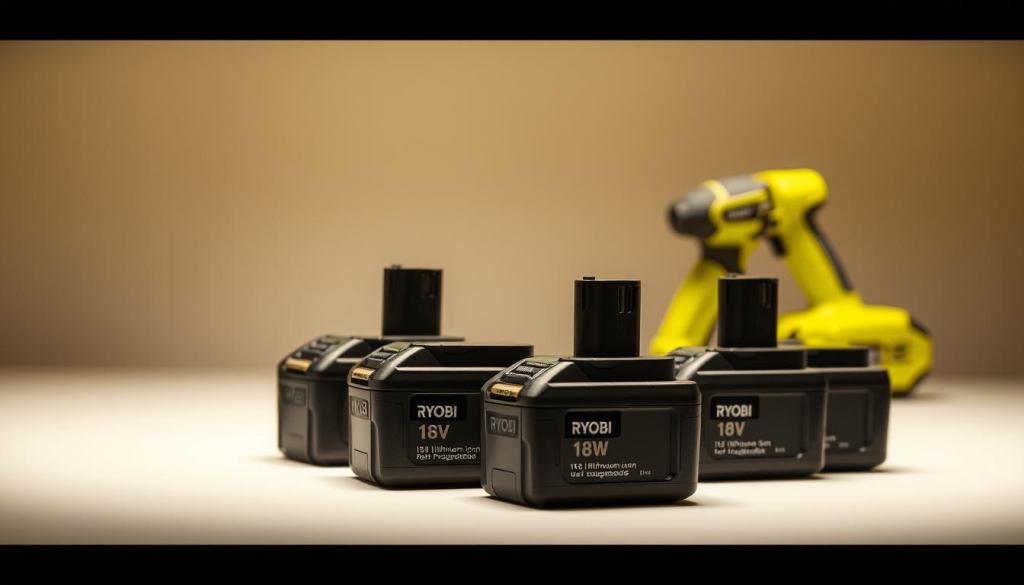
Ryobi batteries come in various voltage options, including 18V, 40V, and 80V, with different amp-hour (Ah) ratings. The 18V batteries are among the most popular, powering a wide range of Ryobi tools from drills and saws to sanders and more. The higher voltage options like 40V and 80V are typically used for more demanding applications, such as outdoor power equipment.
Key Features of Ryobi Batteries
One of the key features of Ryobi batteries is their compatibility within the Ryobi ecosystem. Users can easily swap batteries between different Ryobi tools, provided they are of the same voltage. Ryobi batteries are also known for their durability and performance. Many Ryobi batteries Page feature Lithium-Ion technology, which offers advantages such as longer battery life, reduced self-discharge, and a higher energy density compared to older battery technologies.
Key benefits of Ryobi batteries include:
- Wide compatibility across Ryobi tools
- Variety of voltage and amp-hour options
- Lithium-Ion technology for improved performance
- Durable design
Differences Between Dewalt and Ryobi Batteries
The primary differences between Dewalt and Ryobi batteries lie in their technical specifications, such as voltage, amp-hour ratings, and connector types. These differences are crucial in determining whether Dewalt batteries can be used in Ryobi tools.
Voltage and Amp Hour Ratings
Dewalt and Ryobi batteries come in various voltage ratings, such as 18V, 20V, and 40V. The voltage rating is critical because it determines the power output of the tool. Using a battery with a voltage rating that does not match the tool’s specification can lead to suboptimal performance or damage to the tool.
Amp-hour (Ah) ratings, on the other hand, indicate the battery’s capacity and runtime. A higher Ah rating means the battery will last longer. While Dewalt and Ryobi batteries may have similar voltage ratings, their Ah ratings can differ, affecting how long a tool operates on a single charge.
| Brand | Voltage Rating | Amp-Hour Rating |
|---|---|---|
| Dewalt | 18V, 20V | 2Ah, 4Ah, 5Ah |
| Ryobi | 18V, 40V | 2Ah, 4Ah, 9Ah |
Connector Types
Another significant difference between Dewalt and Ryobi batteries is their connector types. Dewalt batteries typically have a rectangular shape with top connectors, while Ryobi batteries have varying designs with different connector locations. This physical difference makes it challenging to use Dewalt batteries in Ryobi tools without an adapter or modification.
Using a battery with the wrong connector type can lead to safety issues, such as overheating or electrical shock. Therefore, it’s essential to consider the connector type when evaluating the compatibility of Dewalt batteries with Ryobi tools.
The Science Behind Battery Technology
Understanding the science behind battery technology is crucial for making informed decisions about power tool batteries. The performance and longevity of these batteries are determined by their chemical composition and design.
Li-ion vs. NiCad Batteries
Most modern power tool batteries, including those from Dewalt and Ryobi, are lithium-ion (Li-ion). Li-ion batteries offer several advantages over the older nickel-cadmium (NiCad) technology. Li-ion batteries have a higher energy density, meaning they pack more power relative to their size and weight. They also have a longer cycle life, allowing for more charge and discharge cycles before their capacity starts to degrade.
In contrast, NiCad batteries have a lower energy density and are more prone to the “memory effect,” where the battery forgets its full capacity if not fully discharged before recharging. This makes Li-ion batteries more convenient and efficient for users.
| Battery Type | Energy Density | Cycle Life | Self-Discharge |
|---|---|---|---|
| Li-ion | High | Long | Low |
| NiCad | Low | Short | High |
How Battery Chemistry Affects Performance
The chemistry of a battery significantly affects its performance. Li-ion batteries, with their high energy density, provide more power for longer periods, making them ideal for demanding power tools. The chemistry also influences the battery’s self-discharge rate; Li-ion batteries retain their charge longer when not in use.
“Lithium-ion batteries have revolutionized the power tool industry by providing high energy density and long cycle life, making them the preferred choice for professionals and DIY enthusiasts alike.”
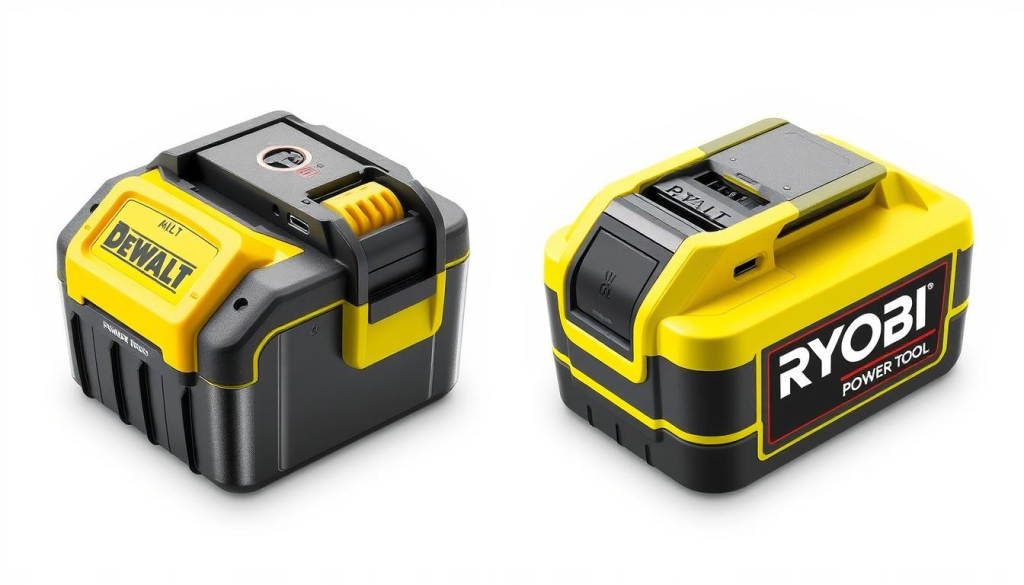
Understanding these differences is crucial when considering dewalt and ryobi battery interchangeability. Using Dewalt batteries with Ryobi power tools may not always be straightforward due to differences in battery chemistry and design.
The Pros and Cons of Using Dewalt Batteries in Ryobi Tools
As DIY enthusiasts and professionals explore cross-brand battery compatibility, the question remains: is using Dewalt batteries in Ryobi tools a viable option? This section will delve into the advantages and disadvantages of using Dewalt batteries in Ryobi tools, helping you make an informed decision.
Advantages of Battery Interchangeability
One of the primary benefits of using Dewalt batteries in Ryobi tools is the potential for cost savings. If you already own Dewalt batteries, you might be able to use them with Ryobi tools, thereby reducing the need to purchase additional batteries. This cross-brand battery compatibility can be particularly appealing to those with existing Dewalt battery collections.
The advantages include:
- Potential cost savings by utilizing existing batteries
- Increased flexibility for users with multiple tool brands
- The convenience of not having to purchase brand-specific batteries
Moreover, some users appreciate the idea of being able to share batteries across different tools, enhancing the overall utility of their tool collection. However, it’s crucial to consider the technical and safety implications.
Potential Risks and Downsides
While the idea of using Dewalt batteries in Ryobi tools might seem appealing, there are several risks and downsides to consider. One of the primary concerns is voltage mismatch and connector compatibility issues. Dewalt and Ryobi batteries have different voltage ratings and connector types, which can lead to safety hazards if not properly matched.
Some of the potential risks include:
- Safety hazards due to voltage mismatch or improper connector use
- Tool damage resulting from incompatible battery use
- Reduced performance or efficiency due to battery-tool incompatibility
To mitigate these risks, users may need to rely on dewalt to ryobi battery adapters, which can introduce additional variables to consider, such as adapter reliability and compatibility.
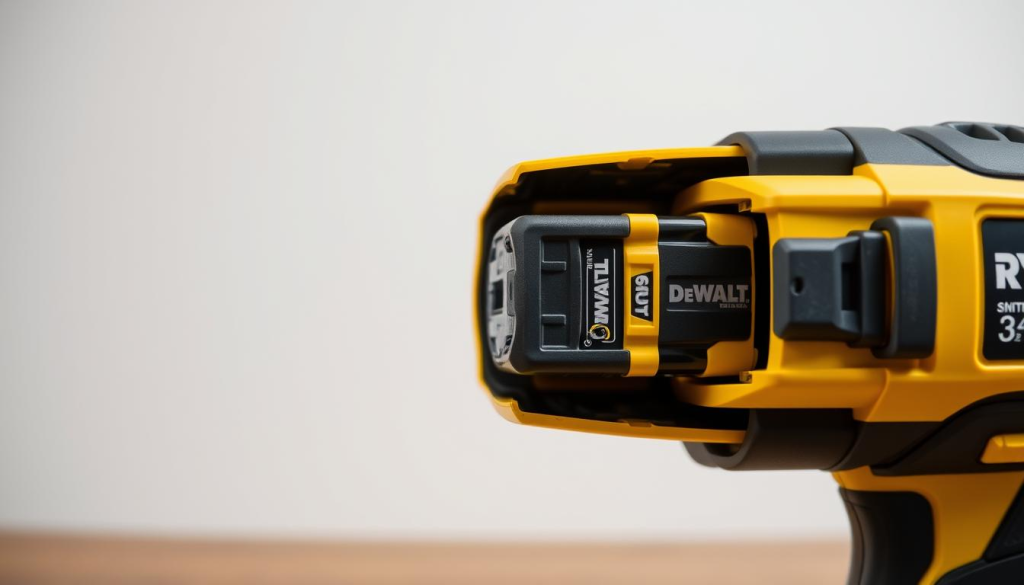
In conclusion, while using Dewalt batteries in Ryobi tools offers some potential benefits, it’s essential to carefully weigh these against the potential risks and downsides. Ensuring compatibility and safety should be the top priority when exploring cross-brand battery use.
Exploring Aftermarket Solutions
Aftermarket adapters and converters have emerged as a potential solution for hybrid use of Dewalt and Ryobi batteries. These products aim to bridge the compatibility gap between different power tool brands, allowing users to leverage the strengths of various battery systems.
Third-Party Adapters and Converters
Third-party adapters and converters are designed to enable the use of Dewalt batteries in Ryobi tools. These adapters modify the physical and electrical connection between the battery and the tool, allowing for interoperability between brands. However, the quality and compatibility of these adapters can vary significantly depending on the manufacturer.
Key considerations when using third-party adapters include:
- Compatibility with specific Dewalt and Ryobi models
- Quality of construction and materials
- Safety features and certifications
- Warranty and customer support
Benefits and Limitations of Aftermarket Products
The primary benefit of aftermarket adapters is the flexibility they offer users. By enabling the use of Dewalt batteries in Ryobi tools, users can take advantage of the strengths of both ecosystems. For example, Dewalt batteries are known for their high capacity and durability, while Ryobi tools are often praised for their affordability and versatility.
However, there are also potential limitations and risks to consider:
- Potential impact on tool performance and safety
- Voiding of manufacturer warranties
- Variable quality of aftermarket products
- Potential for electrical or mechanical issues
To illustrate the concept of aftermarket adapters, consider the following image:
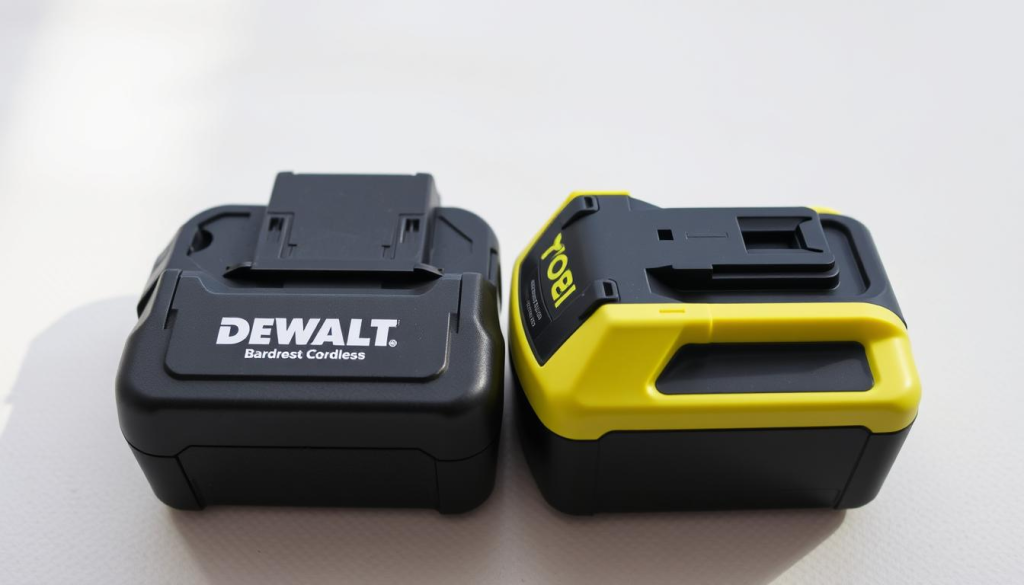
In conclusion, aftermarket adapters and converters offer a potential solution for users seeking to use Dewalt batteries in Ryobi tools. While these products can provide greater flexibility and convenience, it is essential to carefully evaluate their benefits and limitations to ensure safe and effective use.
User Experiences and Testimonials
Users have been experimenting with using Dewalt batteries in Ryobi tools, sharing their experiences and insights online. This section delves into real-life examples and common feedback from DIY enthusiasts who have attempted to use Dewalt batteries in Ryobi tools.
Real-Life Examples
Several users have reported success with using Dewalt batteries in Ryobi tools, often with the help of adapters or converters. For instance, one user on a DIY forum shared that they were able to use a Dewalt 20V battery in their Ryobi 18V drill after purchasing a third-party adapter.
However, not all experiences have been positive. Some users have encountered compatibility issues, such as inadequate power supply or improper fit, leading to tool malfunction or reduced performance.
Common Feedback from DIY Enthusiasts
DIY enthusiasts have shared several key takeaways from their experiments:
- Adapter Quality Matters: The quality of the adapter or converter used can significantly impact the performance and safety of using a Dewalt battery in a Ryobi tool.
- Voltage Compatibility: Ensuring that the voltage of the Dewalt battery matches or is compatible with the Ryobi tool’s requirements is crucial.
- Potential Risks: Users have noted potential risks, including overheating, tool damage, or battery drain, when using non-native batteries.
Overall, while some users have achieved success with cross-using Dewalt batteries in Ryobi tools, it’s essential to approach such modifications with caution and thorough research.
Maintenance and Care for Batteries
Battery longevity is significantly influenced by how well you care for them, especially when using dewalt batteries with ryobi power tools. Proper maintenance not only extends the life of your batteries but also ensures they perform optimally.
Tips for Extending Battery Life
To maximize the lifespan of your batteries, follow these simple yet effective tips:
- Avoid deep discharging; charge your batteries when they have some capacity left.
- Keep your batteries clean and dry, free from debris and moisture.
- Store batteries in a cool, dry place, away from direct sunlight and extreme temperatures.
- Regularly inspect your batteries for signs of wear or damage.
By adopting these practices, you can significantly extend the life of your dewalt and ryobi batteries, ensuring they remain reliable and efficient.
| Maintenance Tip | Benefit |
|---|---|
| Avoid Deep Discharge | Reduces stress on battery cells, prolonging lifespan. |
| Keep Batteries Clean | Prevents corrosion and ensures good connectivity. |
| Store in Cool, Dry Place | Slows down chemical degradation, maintaining battery health. |
Safety Precautions with Lithium-Ion Batteries
Lithium-ion batteries, like those used in dewalt and ryobi power tools, require special care to ensure safe operation. Here are some safety precautions to follow:
- Use the correct charger for your battery type to avoid overcharging or undercharging.
- Avoid physical damage to the battery, as punctures or cracks can lead to safety hazards.
- Monitor battery temperature during charging and use; overheating can be dangerous.
By being mindful of these safety precautions, you can minimize the risks associated with lithium-ion batteries and enjoy safe and efficient operation of your power tools.
Recommendations for Tool Users
Choosing the right battery for your power tools can be a daunting task, especially when considering cross-brand compatibility. While adapters can enable the use of Dewalt batteries in Ryobi tools, it’s generally recommended to use brand-specific batteries for optimal performance and safety.
When to Stick with Brand-Specific Batteries
Brand-specific batteries are designed to work seamlessly with tools from the same manufacturer, ensuring optimal performance and safety. Using batteries from the same brand as your tool can help prevent potential issues such as overheating, reduced battery life, and tool malfunction.
In particular, if you’re using high-demand tools or require precise control over your equipment, sticking with brand-specific batteries is advisable. This is because these batteries are engineered to meet the specific requirements of the tool, providing the necessary power and efficiency.
Evaluating Your Tool and Battery Needs
To make an informed decision about battery compatibility, it’s essential to evaluate your tool and battery needs. Consider the voltage and amp-hour ratings of your tool and battery. Ensure that any battery you choose, whether it’s from the same brand or a different one, meets or exceeds these ratings.
Additionally, think about your usage patterns. If you’re a heavy user, you may prioritize batteries with longer lifespans or faster charging capabilities. For occasional use, cost-effectiveness might be a more significant factor.
Ultimately, while there are adapters available that can facilitate the use of Dewalt batteries in Ryobi tools, the safest and most efficient choice is often to stick with brand-specific batteries. By evaluating your needs and understanding the specifications of your tools and batteries, you can make informed decisions that balance performance, safety, and cost.
Conclusion: Making the Right Choice
Making an informed decision about using Dewalt batteries in Ryobi tools involves understanding several critical factors, including voltage compatibility, connector types, and potential risks.
Key Takeaways for Tool Compatibility
When considering cross-brand battery compatibility, it’s essential to evaluate the voltage and amp hour ratings of both Dewalt and Ryobi batteries. Using batteries with incompatible voltage ratings can lead to reduced tool performance or even damage the tool. Additionally, the connector type plays a crucial role in determining compatibility; different brands often have proprietary connectors that may not be interchangeable.
Another critical aspect is the potential risks associated with using Dewalt batteries in Ryobi tools. While some users have reported successful cross-brand usage, others have experienced issues with battery life or tool malfunction. It’s crucial to weigh these risks against the benefits of battery interchangeability.
Final Thoughts on Battery Use
In conclusion, while it may be tempting to use Dewalt batteries in Ryobi tools for convenience or cost savings, it’s vital to prioritize compatibility and safety. Users should carefully assess their tool and battery needs, considering factors such as voltage requirements, connector types, and the potential for tool damage.
Ultimately, the decision to use Dewalt batteries in Ryobi tools should be made with caution and a thorough understanding of the potential implications. By doing so, users can ensure optimal tool performance and extend the lifespan of their batteries.
Frequently Asked Questions
As we’ve explored the compatibility of Dewalt batteries with Ryobi tools, several questions arise regarding their interchangeability. Understanding the feasibility of using Dewalt batteries in Ryobi tools and the factors to consider is Page’s to making informed decisions.
Using Dewalt Batteries in Ryobi Tools
Users often ask if they can use Dewalt batteries in their Ryobi tools. While it’s technically possible with some adapters, it’s crucial to consider the implications of dewalt and ryobi battery interchangeability. The hybrid use of dewalt and ryobi batteries may offer convenience, but it also raises concerns about compatibility, safety, and performance.
Key Considerations
Before attempting to use Dewalt batteries in Ryobi tools, consider the voltage and amp hour ratings, connector types, and potential risks. Evaluating these factors will help you make an informed decision about the hybrid use of dewalt and ryobi batteries. By understanding the intricacies of battery compatibility, you can ensure safe and effective tool operation.