
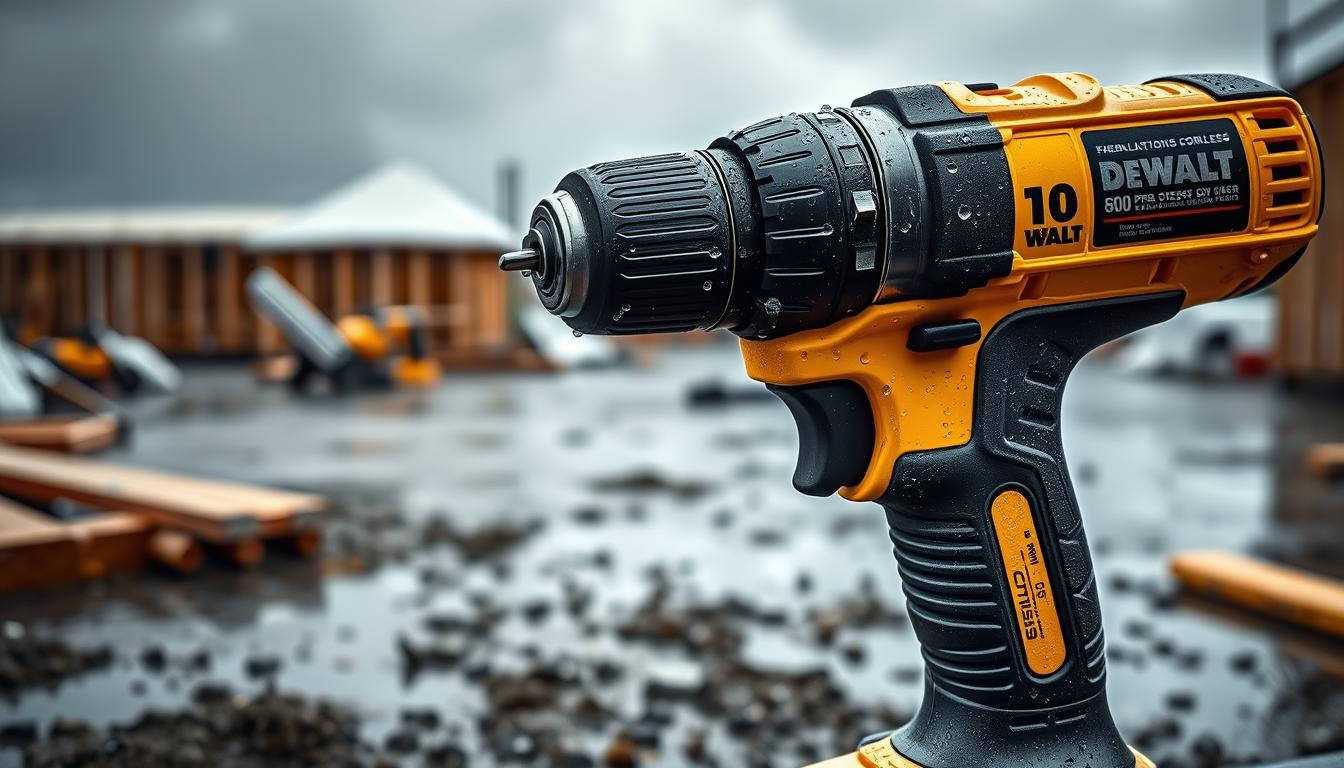
Using power tools in wet conditions poses significant risks, including damage to the tool and the potential for electric shocks. Protecting your DEWALT cordless drill from water exposure is crucial for maintaining its functionality and ensuring user safety.
While some DEWALT drills may have water-resistant features, it is still important to take precautions to prevent water damage. Exposing your drill to rain or using it near water sources can compromise its internal components. Understanding the risks and taking steps to mitigate them is essential for prolonging the life of your tool.
Key Takeaways
- DEWALT drills have varying levels of water resistance.
- Using cordless drills in wet conditions poses electrical shock risks.
- Protective measures can prevent water damage.
- Regular maintenance is crucial for tool longevity.
- Understanding tool specifications is key to safe usage.
Understanding DEWALT Drill Specifications
To get the most out of your DEWALT drill, it’s essential to understand its specifications, including its features and weather resistance ratings.
Overview of DEWALT Drill Features
DEWALT drills are equipped with a variety of features that enhance their performance and usability. These include high-torque motors, adjustable speed settings, and ergonomic designs for comfort during extended use. Understanding these features can help you choose the right drill for your specific needs.
Weather Resistance Ratings
One critical specification to consider is the weather resistance rating, often indicated by an IP (Ingress Protection) rating. The IP rating is a standard that measures a tool’s resistance to solids and liquids. For example, a drill with an IP67 rating is completely protected against dust and can withstand being submerged in water up to 1 meter deep for 30 minutes. Understanding the IP rating of your DEWALT drill can help you determine its suitability for use in wet or dusty conditions.
| IP Rating | Dust Protection | Water Protection |
|---|---|---|
| IP65 | Dust protected | Protected against low-pressure jets of water from all directions |
| IP67 | Dust tight | Protected against immersion between 15 cm and 1 m in depth |
| IP68 | Dust tight | Protected against long-term immersion up to a specified pressure |
Intended Usage Scenarios
DEWALT drills are designed for various applications, from heavy-duty construction work to DIY projects. Understanding the intended usage scenarios for your drill can help you operate it more effectively and safely. For instance, if you’re working in wet conditions, you’ll want a drill with a high level of weather resistance, such as one with a high IP rating.
By understanding the specifications of your DEWALT drill, including its features, weather resistance ratings, and intended usage scenarios, you can ensure that you’re using your tool to its full potential while maintaining safety and efficiency.
Risks of Getting Your Drill Wet
Getting your DEWALT drill wet can have severe consequences, affecting both its performance and longevity. Water exposure is a risk factor that can lead to various issues, compromising the tool’s overall functionality.
Potential Damage to Electrical Components
One of the primary concerns when a DEWALT drill is exposed to water is the potential damage to its electrical components. Water can seep into the drill, causing short circuits and corrosion that can render the tool useless. The electrical components, including the motor and circuitry, are sensitive to moisture, and exposure can lead to costly repairs or even require replacement.
Impact on Battery Life and Performance
Water exposure can also significantly impact the battery life and performance of your DEWALT drill. Moisture can infiltrate the battery compartment, causing corrosion and reducing the battery’s ability to hold a charge. This can result in decreased performance, with the drill potentially failing to operate as expected. Regular exposure to water can shorten the lifespan of the battery, necessitating more frequent replacements.
Rust and Corrosion Concerns
Rust and corrosion are additional risks associated with getting your DEWALT drill wet. Metal components within the drill can corrode when exposed to water, weakening the structure and potentially leading to mechanical failure. Regular maintenance and drying are crucial to prevent rust and ensure the drill remains in good working condition. Using a drill in wet conditions without proper protection can accelerate wear and tear, reducing its overall lifespan.
In conclusion, it is crucial to protect your DEWALT drill from water exposure to maintain its performance and extend its lifespan. Understanding the risks associated with water damage can help you take necessary precautions to keep your tool in optimal condition.
Best Practices for Using Drills in Wet Conditions
When working with DEWALT drills in wet conditions, it’s crucial to follow best practices to ensure safety and tool longevity. Using power tools in damp environments can be hazardous if Page not done properly. Therefore, understanding the right techniques and precautions is essential.
Choosing the Right Drill for the Job
Selecting the appropriate DEWALT drill for wet conditions is vital. Look for models that are specifically designed to be water-resistant or waterproof. These drills are built with extra Page protection against moisture, reducing the risk of damage. For instance, DEWALT’s line of water-resistant cordless drills is designed to perform well in harsh weather conditions.
Protective Gear and Accessories
Using protective gear and accessories can significantly minimize the risks associated with operating power tools in damp environments. Consider using drill covers or sleeves that provide an extra layer of protection against moisture. Additionally, wearing appropriate personal protective equipment (PPE) such as gloves and safety glasses can help prevent accidents.
Tips for Safe Operation in Damp Environments
To safely operate your DEWALT drill in wet conditions, always inspect the tool before use for any signs of damage or wear. Ensure that the battery contacts are clean and dry. When drilling, avoid standing water and keep the work area as dry as possible. If you must drill in wet conditions, consider using a drill with a higher level of water resistance.
Furthermore, maintaining a firm grip on the drill and keeping a stable stance can help prevent accidents. It’s also advisable to work in well-ventilated areas and avoid using drills near flammable materials.
Waterproof and Weather-Resistant Tools
DEWALT’s commitment to durability is evident in their weather-resistant tools, designed to perform reliably in adverse conditions. These tools are engineered with features that protect against moisture and harsh weather, making them ideal for professionals who work outdoors or in challenging environments.
Overview of DEWALT’s Weather-Resistant Products
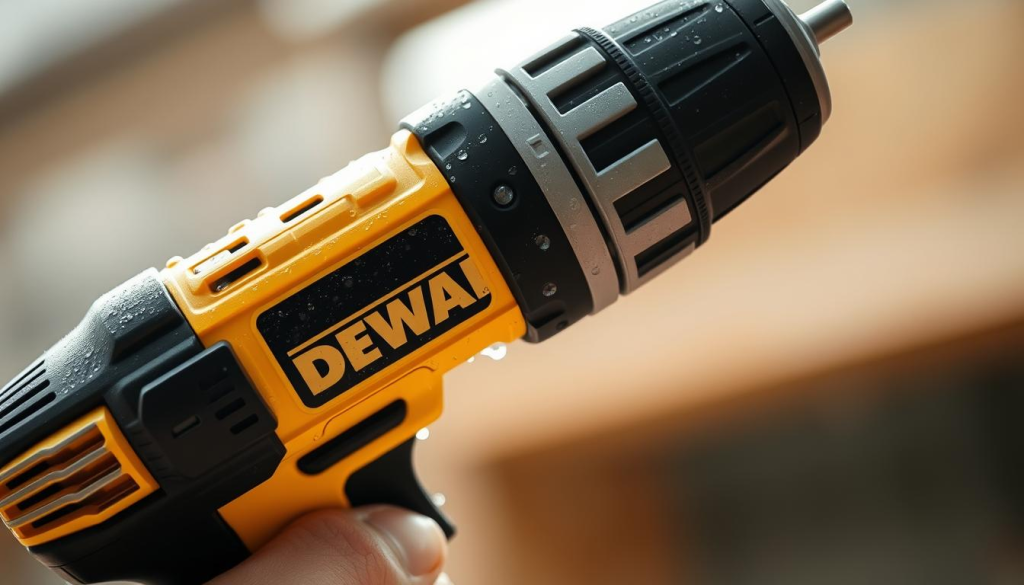
DEWALT offers a range of weather-resistant products, including drills, saws, and sanders, that are designed to withstand exposure to the elements. These tools are built with rugged materials and sealed components to prevent water ingress and corrosion.
According to DEWALT, their weather-resistant tools are designed to operate in wet and harsh conditions, providing users with the reliability they need to get the job done. This is particularly important for professionals who cannot afford to have their tools fail in critical situations.
Comparison to Standard Models
When comparing DEWALT’s weather-resistant tools to their standard models, several key differences become apparent. Weather-resistant tools are typically built with additional sealing and protective coatings to enhance their durability in wet conditions.
For instance, weather-resistant drills may have sealed batteries and motors, as well as protective membranes to prevent moisture from entering the tool. This level of protection is not always present in standard models, making weather-resistant tools a better choice for work in damp or wet environments.
“The introduction of weather-resistant tools has been a game-changer for our industry. We can now work in conditions that were previously challenging, without worrying about our tools failing us.” – Industry Professional
How to Identify Waterproof Features
Identifying waterproof features in DEWALT tools involves looking for specific design elements and technologies. Tools with weather-resistant capabilities often have distinct markings or specifications that highlight their protective features.
- Check for IP (Ingress Protection) ratings, which indicate the level of protection against solid particles and water.
- Look for sealed components, such as batteries and motors, which are designed to prevent water ingress.
- Verify if the tool has protective coatings or membranes that enhance its durability in wet conditions.
By understanding these features, users can make informed decisions when selecting tools for work in challenging environments.
Caring for Your DEWALT Drill After Exposure to Water
Exposure to water can be detrimental to your DEWALT drill, but prompt care can mitigate the damage. When your drill gets wet, it’s crucial to act quickly to prevent lasting harm.
Immediate Steps to Take
If your DEWALT drill has been exposed to water, the first step is to immediately turn it off and unplug it from the power source. If it’s a cordless drill, remove the battery pack. This immediate action helps prevent any short circuits that could cause further damage.
Drying the exterior of the drill is the next step. Use a soft cloth or towel to gently pat the drill dry, paying extra attention to any vents, crevices, or areas around the battery compartment.
Cleaning and Drying Procedures
After the initial drying, it’s essential to clean and dry the drill thoroughly. Use a desiccant or silica gel packets to absorb any remaining moisture. For more thorough drying, you can use compressed air to gently blow out any water from the vents and crevices. However, be cautious not to push water further into the drill.
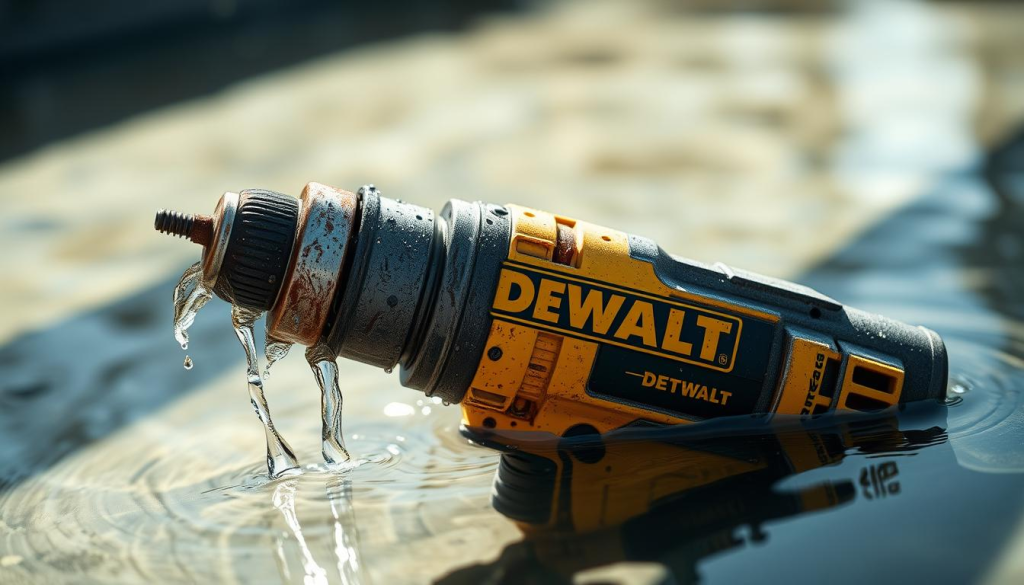
For drills that have been submerged, it may be necessary to disassemble certain parts for a more thorough cleaning and drying. However, this should be done with caution and ideally by a professional to avoid causing further damage.
Storage Best Practices for Longevity
Once your DEWALT drill is dry, proper storage is key to preventing future water damage. Store your drill in a dry, cool place, away from direct sunlight and moisture. Using a storage case or bag can help protect it from dust and accidental exposure to water.
Regularly inspect your drill and its storage area for signs of moisture or water damage. This proactive approach can help you identify and address any potential issues before they become major problems.
Customer Experiences and Feedback
DEWALT drill owners who have dealt with water exposure share their stories and the lessons they’ve learned. These personal anecdotes provide valuable insights into handling wet drill incidents effectively.
Personal Stories of Wet Drill Incidents
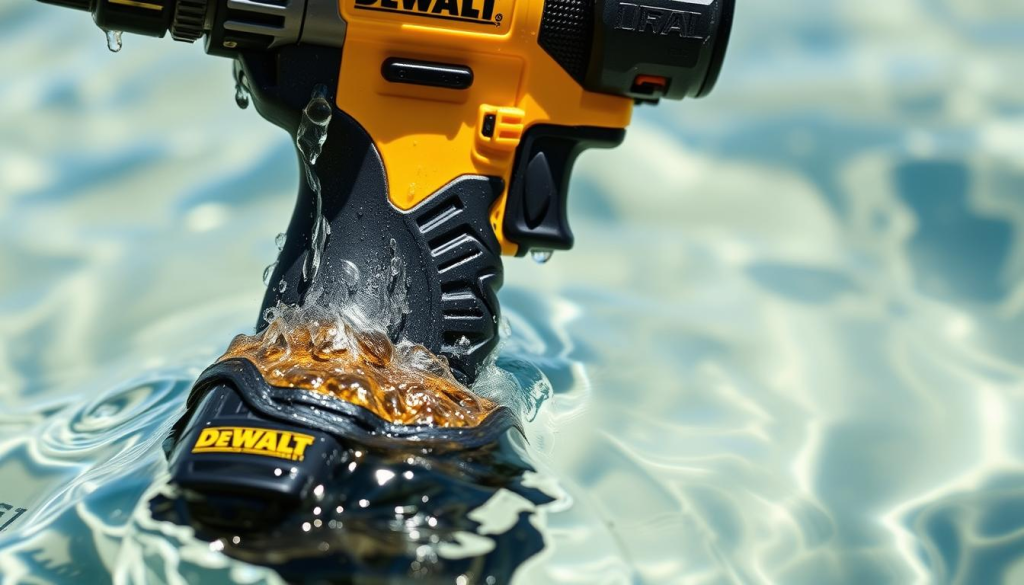
Many users have shared their experiences of accidentally submerging their DEWALT drills in water or using them in wet conditions. For instance, a user reported that their DEWALT drill survived after being submerged in water for a short period, but it required immediate drying and maintenance to prevent damage.
Such stories highlight the importance of prompt action when a drill gets wet. Users recommend drying the tool thoroughly and checking for any damage to electrical components.
Common Solutions Tested by Users
Users have tested various methods to salvage their drills after water exposure. Some common solutions include:
- Drying the drill with compressed air
- Using desiccants to absorb moisture
- Applying lubricants to prevent rust
These methods have shown varying degrees of success, emphasizing the need for careful handling and maintenance.
Importance of Warranty and Support
The warranty and support offered by DEWALT play a crucial role in protecting users’ investments. Many users have reported positive experiences with DEWALT’s customer service, citing prompt responses and effective solutions to their problems.
Warranty coverage can significantly reduce the financial burden of repairing or replacing damaged tools. Users are advised to familiarize themselves with the warranty terms and conditions to ensure they can benefit from the support offered.
Maintenance Tips for Long-lasting Performance
Proper care and maintenance are essential to extend the life of your DEWALT drill. Regular maintenance not only ensures optimal performance but also helps in identifying potential issues before they become major problems.
Regular Inspections You Should Perform
Regular inspections are crucial for maintaining your DEWALT drill. You should check the drill’s battery, chuck, and other moving parts for signs of wear and tear. Look for any damage or corrosion that could affect performance.
- Inspect the battery contacts for corrosion or damage.
- Check the chuck for any signs of wear or misalignment.
- Examine the drill’s casing for cracks or damage.
Importance of Proper Lubrication
Proper lubrication is vital for the smooth operation of your DEWALT drill. It reduces friction between moving parts, thereby decreasing wear and tear. Use the recommended lubricant as specified in your drill’s manual.
Tips for Lubrication:
When to Page Seek Professional Help
If you notice any unusual noises, vibrations, or performance issues with your DEWALT drill, it may be time to seek professional help. A certified technician can diagnose and repair problems that you cannot fix on your own.
Signs that you need professional help include:
- Unusual noises or vibrations during operation.
- Reduced performance or power.
- Visible damage to internal components.
By following these maintenance tips, you can significantly extend the life of your DEWALT drill and ensure it continues to perform at its best. Regular maintenance is key to optimal performance and longevity.
The Role of DEWALT’s Warranty in Tool Protection
DEWALT’s warranty plays a crucial role in protecting your investment in their power tools. Understanding the coverage and terms of the warranty can help you navigate the process of dealing with damaged tools, including those exposed to water.
Understanding Your Warranty Coverage
The DEWALT warranty typically covers defects in materials and workmanship for a specified period. It’s essential to review the warranty documentation that comes with your tool to understand what is covered and for how long. Registering your tool with DEWALT can also help streamline the warranty process if you need to make a claim.
Steps to Take if Your Tool Gets Damaged
If your DEWALT drill gets damaged, especially due to water exposure, there are several steps you should take. First, immediately stop using the tool to prevent further damage. Next, thoroughly dry the tool, and contact DEWALT’s customer service to report the issue and initiate the warranty claim process.
- Document the damage with photos or videos.
- Gather all relevant documentation, including proof of purchase and warranty registration.
- Follow the instructions provided by DEWALT’s customer service for the next steps.
Tips for Filing a Warranty Claim
When filing a warranty claim for your DEWALT drill, ensure you have all necessary documentation ready. Clearly describe the issue and provide detailed information about the tool and its usage. Following these tips can help ensure a smooth and efficient warranty claim process.
By understanding and utilizing the DEWALT warranty, you can protect your investment and ensure that your tools remain in good working condition.
Alternatives to Using a Drill in Wet Conditions
For projects that involve working in damp or wet environments, there are several alternatives to using a DEWALT drill that can help achieve your goals without risking damage to your tools.
Tools Suitable for Wet Environments
When working in wet conditions, it’s essential to use tools that are designed to withstand moisture. Some options include:
- Drills with waterproof or water-resistant casings
- Tools with corrosion-resistant coatings
- Manual drilling tools that don’t rely on electrical components
Here’s a comparison of some tools suitable for wet environments:
| Tool Type | Water Resistance | Durability |
|---|---|---|
| Waterproof Drill | High | High |
| Manual Drill | Very High | High |
| Standard Cordless Drill | Low | Medium |
When to Consider Manual Options
Manual drilling options are particularly useful in very wet conditions or when working with materials that don’t require the power of a cordless drill.
Benefits of manual options include:
- No risk of electrical shock
- Less maintenance compared to power tools
- Cost-effective for small projects
Choosing the Right Tool for the Task
Selecting the appropriate tool for your project involves considering the task’s requirements, the environment, and the tool’s specifications.
Key factors to consider:
- The level of water exposure
- The type of material being drilled
- The required precision and speed
Preparing Your Worksite for Wet Weather
When working outdoors, preparing your worksite for wet weather is crucial for maintaining safety and productivity. Wet conditions can lead to slippery surfaces, reduced visibility, and equipment damage, all of which can be mitigated with proper preparation.
Essential Safety Precautions
To ensure a safe working environment during wet weather, several essential safety precautions should be taken. These include:
- Ensuring that all workers wear appropriate waterproof gear, including boots, jackets, and gloves.
- Using non-slip mats and coatings on surfaces to prevent slipping.
- Installing adequate lighting to compensate for reduced visibility.
Creating a Shelter for Equipment
Protecting equipment from wet weather is vital for maintaining its functionality and longevity. Creating a shelter or using covers can help achieve this:
- Using tarps or waterproof covers to protect equipment when not in use.
- Constructing temporary shelters or canopies to provide a dry working area.
- Storing sensitive equipment in dry, protected areas.
Importance of Proper Drainage
Proper drainage is critical to preventing water accumulation on the worksite, which can lead to accidents and equipment damage. Effective drainage solutions include:
- Ensuring that the worksite is graded to allow water to drain away from working areas.
- Installing drainage systems such as ditches, culverts, or French drains.
- Regularly inspecting and maintaining drainage systems to ensure they are functioning correctly.
| Drainage Solution | Benefits | Implementation Tips |
|---|---|---|
| Grading the Worksite | Prevents water accumulation, reduces slipping hazards | Ensure a gradual slope away from working areas |
| Drainage Ditches | Directs water away from the worksite | Regularly inspect and clean ditches to prevent clogging |
| French Drains | Effective for areas with heavy water accumulation | Install gravel and a perforated pipe to direct water flow |
Conclusion: Best Practices for Ensuring Tool Longevity
Protecting your DEWALT drills and other tools is crucial for maintaining Page tool longevity. By understanding the risks associated with exposure to water and following best practices for tool care, you can significantly extend the life of your power tools.
Key Takeaways for DEWALT Tool Protection
To keep your DEWALT tools in optimal condition, it’s essential to choose the right drill for the job, use protective gear and accessories, and follow safe operation tips in damp environments. Regular inspections, proper lubrication, and timely maintenance are also vital for dewalt tool protection.
Staying Informed for Long-Term Tool Use Page Page
Staying informed about the best practices for tool care and maintenance will help you get the most out of your DEWALT tools. By being prepared and taking proactive steps, you can ensure your tools continue to perform well over time, ultimately supporting tool longevity.