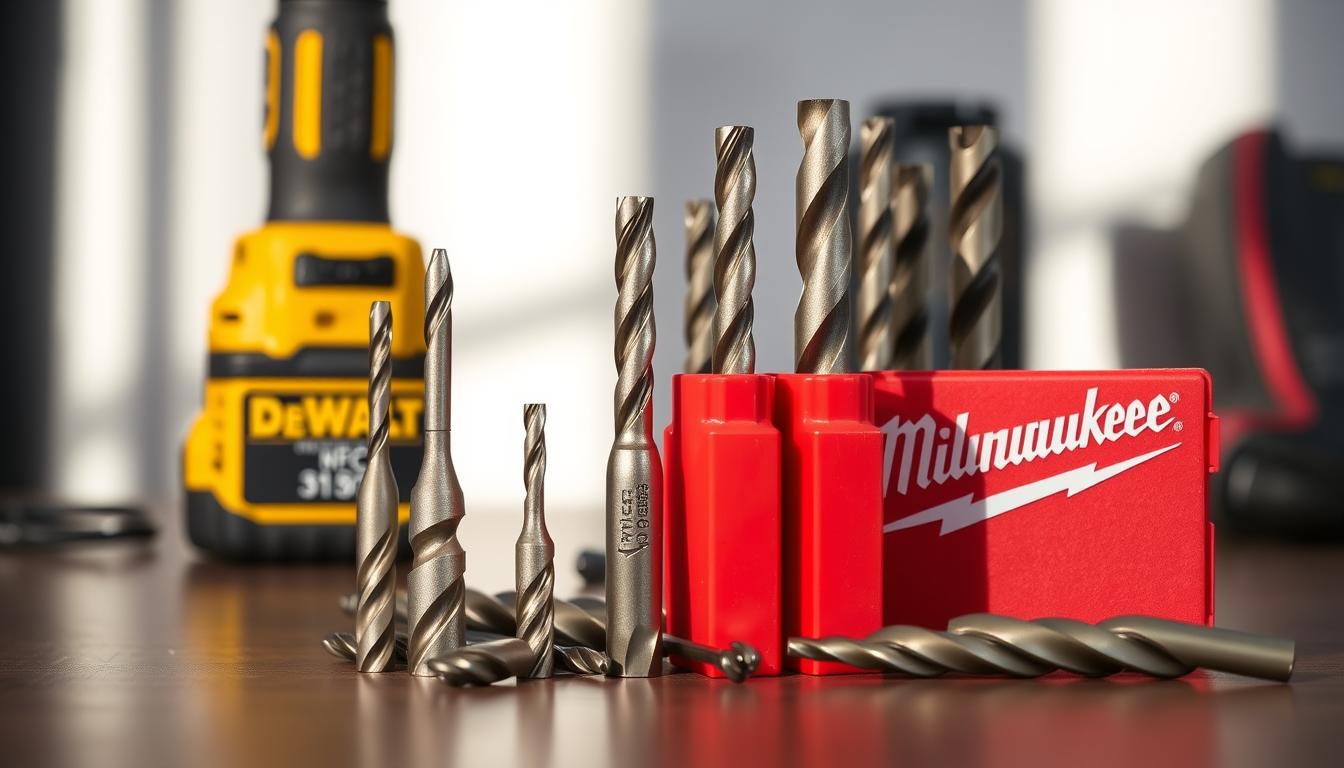
Many DIY enthusiasts and professionals often wonder if they can use DeWalt drill bits with their Milwaukee tools. The good news is that, in most cases, DeWalt drill bits are compatible with Milwaukee drills.
The key to compatibility lies in the shank size and diameter of the drill bits. As long as these measurements match your Milwaukee drill’s shaft, you can use DeWalt bits without any issues.
This compatibility opens up a world of possibilities for users who have invested in tools from both brands. In this article, we’ll explore the details of using DeWalt bits in Milwaukee tools and what you need to consider.
Key Takeaways
- DeWalt drill bits can be used with Milwaukee drills if the shank size and diameter are compatible.
- Compatibility is not dependent on the brand but rather on the physical attributes of the bits.
- Using bits from different brands can offer more flexibility and options for users.
- Always check the specifications of your drill and bits before use.
- Proper maintenance of your tools and bits ensures longevity and performance.
Understanding Compatibility Between Brands
The question of whether DeWalt bits can be used in Milwaukee tools hinges on understanding the broader issue of brand compatibility. When considering power tool accessories, it’s essential to delve into the factors that influence their interchangeability.
The Basics of Power Tool Accessories
Most standard-size drill bits are designed to fit inside almost any brand of drill due to their adherence to specific standard sizes. This standardization means that, in many cases, the brand of the drill bit is not a significant factor when choosing a bit to use with your drill. However, this does not mean that all drill bits are universally compatible with all drills.
The compatibility between different brands of power tools and their accessories is largely influenced by the design and manufacturing standards adopted by the industry. While many manufacturers adhere to common standards, there can be variations that affect compatibility.
Importance of Brand Compliance
Brand compliance refers to how well a tool or accessory adheres to the specifications and standards set by the manufacturer. Using accessories that comply with the brand’s specifications can ensure optimal performance and safety. Checking compatibility before use is crucial to avoid any potential issues, such as tool damage or decreased performance.
While many standard drill bits are interchangeable across brands, it’s always a good idea to verify compatibility. This is particularly important for specialized tools or accessories where brand-specific designs may not be compatible with tools from other manufacturers.
The Specifications of DeWalt Bits
The specifications of DeWalt bits, including their types and sizes, play a significant role in their compatibility with other brands like Milwaukee. DeWalt carries a wide variety of drill bits and sets that can be used interchangeably with most power drills, as long as the sizes are the same.
Types of DeWalt Bits Available
DeWalt offers an extensive range of drill bits, including twist bits, spade bits, and hole saws. Each type is designed for specific drilling applications, ensuring that users can find the right bit for their needs.
- Twist bits for general drilling purposes
- Spade bits for drilling large holes in wood
- Hole saws for cutting precise holes in various materials
Features of DeWalt Bits
DeWalt bits are known for their high-quality construction and precise engineering. They are designed to withstand the rigors of frequent use, making them a favorite among professionals.
The features of DeWalt bits include:
- Durable materials for extended lifespan
- Precise tip geometry for accurate drilling
- Variety of coatings to reduce friction and wear
Sizes and Fitment
One of the critical factors in using DeWalt bits with Milwaukee tools is ensuring that the sizes match. DeWalt bits come in various sizes, and their compatibility with Milwaukee tools depends on the shank size and type.
| Bit Type | Shank Size | Compatibility |
|---|---|---|
| Twist Bits | 1/4″, 1/2″ | Compatible with most Milwaukee drills |
| Spade Bits | 1/2″, 3/4″ | Compatible with Milwaukee drills and impact drivers |
| Hole Saws | 3/4″, 1″ | Compatible with Milwaukee hole saws and arbors |
Overview of Milwaukee Tool Accessories
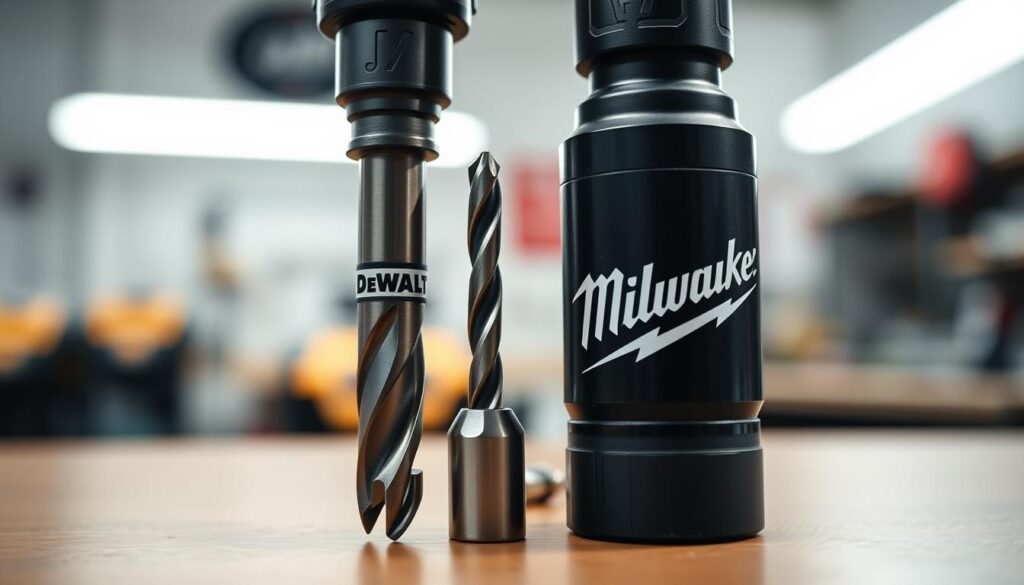
When it comes to power tool accessories, Milwaukee stands out with its wide range of high-quality bits. Milwaukee tool accessories are designed to provide professionals with the flexibility and durability needed for demanding tasks. With a three-year warranty on their products, Milwaukee demonstrates its confidence in the quality and reliability of its accessories.
Milwaukee Bit Types Explained
Milwaukee offers a diverse array of bit types, each designed for specific applications. From driver bits to drill bits, Milwaukee’s product line is comprehensive. Some of the most common types include:
- Phillips bits for cross-head screws
- Torx bits for star-shaped screws
- Hex bits for hexagonal sockets
According to Milwaukee, their bits are engineered to fit perfectly with their tools, ensuring optimal performance. However, the compatibility of Milwaukee bits with other brands, such as DeWalt, is a topic of interest among professionals.
Design Innovations in Milwaukee Bits
Milwaukee has been at the forefront of innovation in the power tool industry, particularly with its lithium-ion technology. Their bits are designed with durability and efficiency in mind. As noted by industry experts, “Milwaukee’s commitment to innovation has raised the bar for power tool accessories.”
“The design innovations in Milwaukee bits have significantly improved the efficiency and productivity of our work.”
The use of high-quality materials and precise manufacturing processes ensures that Milwaukee bits can withstand the rigors of heavy use. This focus on quality is a key factor in the interchangeability discussion, as professionals seek to understand how Milwaukee bits perform with tools from other manufacturers, such as DeWalt.
The intersection of DeWalt and Milwaukee power tool accessories is an area where professionals can benefit from understanding the compatibility and performance differences. While Milwaukee bits are optimized for Milwaukee tools, their robust design often allows them to work seamlessly with other brands, and vice versa.
Key Differences Between DeWalt and Milwaukee Bits
While both DeWalt and Milwaukee produce high-quality bits, there are distinct differences that can affect their use and compatibility. Understanding these differences is crucial for optimal performance and tool longevity.
Material Composition
The material composition of DeWalt and Milwaukee bits varies, impacting their durability and performance. DeWalt bits are known for their reliability and affordability, especially in masonry projects, due to their robust material composition.
DeWalt Bits: Often made with high-quality steel alloys that provide a balance between hardness and toughness, making them suitable for a wide range of applications.
Milwaukee Bits: Milwaukee bits are also crafted with high-grade materials, often featuring advanced coatings and treatments that enhance their durability and resistance to wear.
| Brand | Material | Notable Feature |
|---|---|---|
| DeWalt | High-quality steel alloys | Balance between hardness and toughness |
| Milwaukee | High-grade materials with advanced coatings | Enhanced durability and resistance to wear |
Design Differences
The design of DeWalt and Milwaukee bits also shows notable differences, particularly in terms of their geometry and shank design.
DeWalt Bits: DeWalt bits are designed with a focus on versatility, featuring a range of geometries that suit various drilling and driving tasks.
Milwaukee Bits: Milwaukee bits, on the other hand, often incorporate innovative designs that improve their performance in specific applications, such as their patented REDLINK PLUS technology.
Performance Metrics
When it comes to performance, both DeWalt and Milwaukee bits have their strengths. DeWalt bits are praised for their consistent performance across a variety of tasks, while Milwaukee bits are often lauded for their exceptional performance in demanding applications.
The choice between DeWalt and Milwaukee bits ultimately depends on the specific needs of the user, including the type of project, the tools being used, and personal preference.
How to Check Compatibility
Before using DeWalt bits with Milwaukee tools, understanding their compatibility is essential. Ensuring that your bits and tools are compatible is crucial for achieving optimal performance and preventing potential damage.
Identifying Drive Types
The first step in checking compatibility is to identify the drive type of both your DeWalt bits and Milwaukee tool. Drive types can vary, including 1/4 inch hex, 1/2 inch hex, and others. To identify the drive type, check the tool’s chuck or the bit’s shank for markings or measurements.
- Check the tool’s manual or manufacturer’s website for specifications.
- Inspect the bit and tool for any labels or engravings indicating the drive type.
Measuring Shank Size
Measuring the shank size of your DeWalt bits is another critical step. The shank size must match the tool’s chuck capacity. Use a caliper to measure the diameter of the bit’s shank accurately.
For example, if your Milwaukee drill has a 1/2 inch chuck, the shank size of your DeWalt bit should be 1/2 inch.
Understanding Hex vs. Round Shank
Bits come with either hex or round shanks. Hex shanks are designed for impact drivers and provide a secure fit, while round shanks are typically used in drill chucks. Ensure that your bit’s shank type is compatible with your Milwaukee tool’s chuck type.
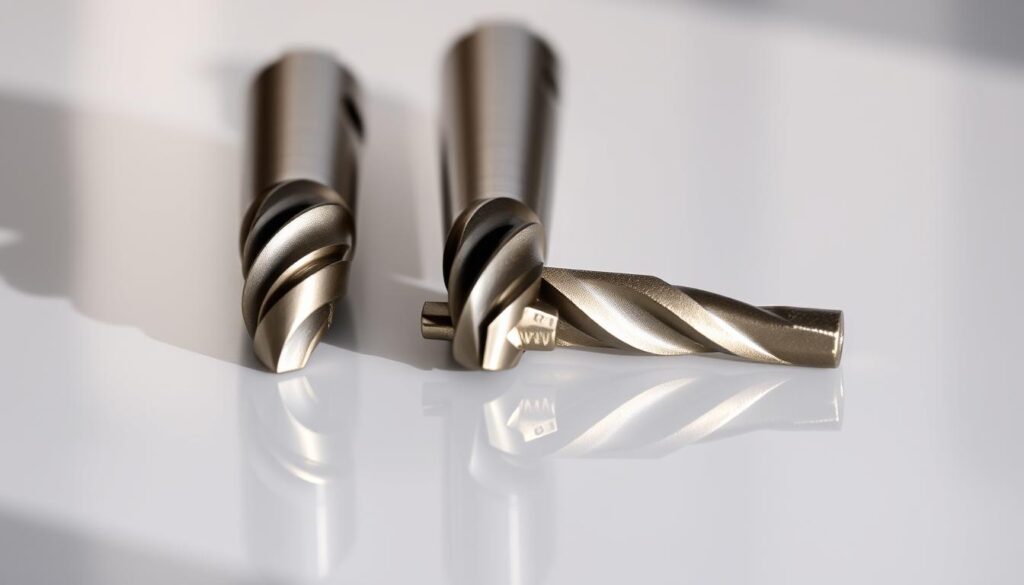
By following these steps, you can ensure that your DeWalt bits are compatible with your Milwaukee tools, enhancing performance and safety.
User Experiences: DeWalt Bits with Milwaukee Tools
The interchangeability of DeWalt and Milwaukee bits is a common query among tool users, with various success stories and challenges reported. Many users have successfully used DeWalt bits with Milwaukee tools, citing the convenience and cost-effectiveness of mixing brands.
Success Stories
Numerous professionals and DIY enthusiasts have shared their positive experiences of using DeWalt bits with Milwaukee tools. For instance, a carpenter might use DeWalt drill bits with a Milwaukee drill due to the availability or specific features of the bits.
“I’ve been using DeWalt bits with my Milwaukee drill for years without any issues. The quality is consistent, and it’s convenient to use what I have on hand.”
- Users appreciate the flexibility of mixing brands based on the task requirements.
- DeWalt bits are often praised for their durability and performance with Milwaukee tools.
Common Issues Faced
Despite the successes, there are also challenges when using DeWalt bits with Milwaukee tools. One of the primary concerns is compatibility, particularly if the shank sizes or drive types do not match.
| Issue | Description | Solution |
|---|---|---|
| Shank Size Mismatch | Incompatibility due to different shank sizes between DeWalt bits and Milwaukee tools. | Check and match shank sizes or use adapters. |
| Drive Type Difference | Variations in drive types (e.g., hex vs. round shank) can cause compatibility issues. | Identify drive types and use appropriate bits or adapters. |
To mitigate these issues, users are advised to check the specifications of both the DeWalt bits and Milwaukee tools before use.
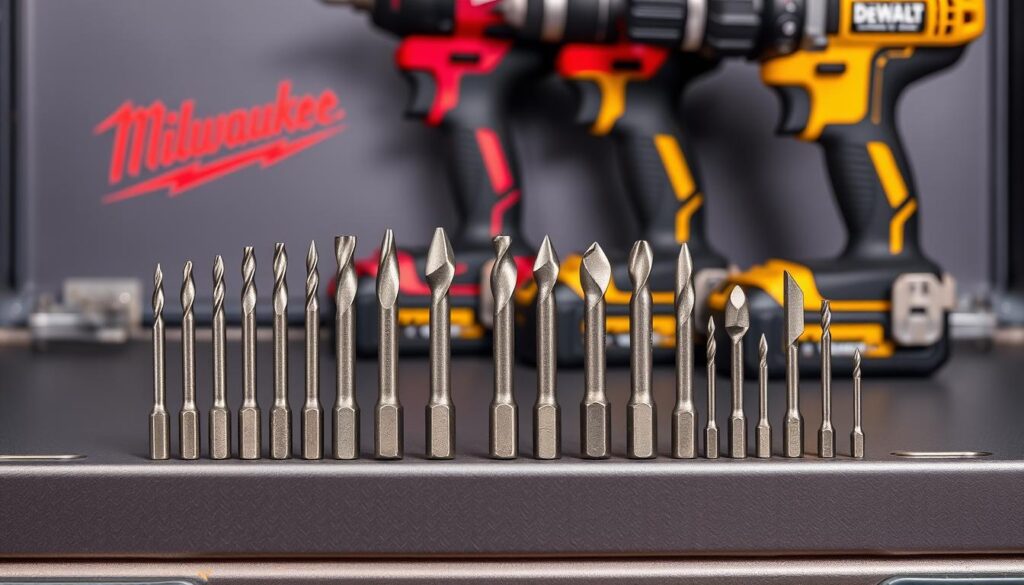
In conclusion, while there are both success stories and challenges associated with using DeWalt bits in Milwaukee tools, many users find it a viable option when done correctly. Ensuring compatibility and understanding the specifications of the tools and accessories are key to a successful experience.
Tools that Benefit from Mixing Brands
Using bits from one brand with tools from another can offer several benefits, including increased flexibility and cost savings. This practice allows users to leverage the strengths of different brands, creating a more versatile toolkit.
Drills and Drivers
Drills and drivers are among the most common power tools that benefit from mixing brands. For instance, DeWalt impact drivers are compatible with bits from other brands, including Milwaukee. This compatibility means users can choose the best bits for their tasks without being limited to a single brand.
Key benefits of mixing brands for drills and drivers include:
- Increased bit selection
- Potential cost savings by choosing bits from different manufacturers
- Enhanced performance by pairing the right bit with the tool
Impact Wrenches
Impact wrenches are another category where mixing brands can be advantageous. The compatibility between DeWalt and Milwaukee accessories allows users to utilize their impact wrenches with a wide range of sockets and bits, regardless of the brand.
Advantages of using mixed-brand accessories with impact wrenches include:
- Broader range of available sockets and bits
- Flexibility in choosing the best tool for specific tasks
- Potential for improved performance and efficiency
Specialty Tools
Specialty tools, such as those used for specific industries or tasks, can also benefit from mixing brands. For example, users of DeWalt or Milwaukee tools might find that certain specialty bits or accessories from other brands better suit their needs.
The benefits of mixing brands for specialty tools include:
- Access to a wider range of specialized accessories
- The ability to find the best tool for a specific task, regardless of brand
- Potential for enhanced precision and quality in work
Safety Considerations
To ensure safe operation, it’s vital to understand the safety considerations of using DeWalt bits with Milwaukee tools. Mixing brands can sometimes lead to compatibility issues that may compromise safety.
Avoiding Tool Damage
Using bits that are not rated for the tool’s impact can cause damage to the tool, bit, or work surface. It’s essential to check the specifications of both the DeWalt bits and Milwaukee tools to ensure they are compatible. Always refer to the manufacturer’s guidelines for the maximum impact rating and recommended usage.
For instance, using a DeWalt bit with a Milwaukee impact driver that exceeds the bit’s impact rating can lead to breakage. Regular inspection of bits for wear and tear is also crucial to prevent accidents.
Ensuring Proper Fit
A proper fit is critical for safe operation. Ensuring that the DeWalt bit is securely seated in the Milwaukee tool’s chuck is vital. Check the chuck size and bit shank to ensure they match, as a loose fit can cause the bit to slip during operation, potentially leading to injury.
To avoid accidents, it’s also important to understand the differences between hex and round shank bits. Using the correct adapter or chuck can help ensure a secure fit.
Recommendations for Optimal Use
When it comes to mixing DeWalt bits with Milwaukee tools, several factors come into play to ensure optimal performance. The key to successful interoperability lies in understanding the specifications and compatibility of your tools and accessories.
Best Practices for Mixing Brands
To maximize the potential of your toolkit, follow these best practices when mixing DeWalt and Milwaukee bits:
- Ensure the bit shank size matches the tool’s chuck size for a secure fit.
- Check the material composition of the bits to ensure they meet your project’s demands.
- Consider the design differences between DeWalt and Milwaukee bits, as they may affect performance.
By adhering to these guidelines, you can safely mix DeWalt bits with Milwaukee tools and achieve the desired results.
When to Stick with One Brand
While mixing brands can be convenient, there are scenarios where sticking to one brand is advisable:
- High-precision tasks where compatibility and performance consistency are critical.
- Projects requiring specialized bits designed specifically for one brand’s tools.
- When using advanced tool features that are optimized for a single brand’s ecosystem.
Understanding when to mix and when to stick with one brand can significantly impact the efficiency and effectiveness of your work.
Final Thoughts on Using DeWalt Bits in Milwaukee Tools
Most drill bits on the market, including those from DeWalt, are generally interchangeable with almost all drill brands, such as Milwaukee. This interchangeability allows users to experiment with different accessories, enhancing their toolkit’s versatility.
Key Takeaways on Compatibility
The compatibility between DeWalt bits and Milwaukee tools largely depends on the drive type and shank size. Ensuring a proper fit is crucial to avoid tool damage and ensure safe operation. When considering using DeWalt bits in Milwaukee tools, it’s essential to check the specifications of both the bit and the tool.
Experimenting with Accessories
Users are encouraged to explore different accessories to maximize their tool’s potential. The interchangeability of dewalt milwaukee bits offers flexibility, allowing users to adapt their tools to various tasks. By understanding the compatibility and proper usage, users can safely utilize DeWalt bits in Milwaukee tools, enhancing their overall productivity.