
For professionals and DIY enthusiasts alike, understanding the compatibility of DeWalt batteries across various tools is crucial for efficiency and cost-effectiveness.
The question of whether these batteries are interchangeable is a common concern, as it directly impacts the usability and versatility of DeWalt power tools.
This article aims to explore the compatibility of DeWalt batteries, providing insights into the benefits and limitations of using them across different tools.
Key Takeaways
- Understanding DeWalt battery compatibility is essential for tool versatility.
- Interchangeability affects the overall cost and efficiency of power tool usage.
- DeWalt battery compatibility varies across different tool series.
- Using compatible batteries ensures optimal tool performance.
- DeWalt’s battery platform offers a range of benefits for users.
Understanding DeWalt Battery Systems
To ensure compatibility, it’s crucial to understand the different types of DeWalt batteries and their respective voltage ratings. DeWalt’s battery lineup is diverse, with various systems designed to power a wide range of tools.
Overview of DeWalt Battery Types
DeWalt offers several battery types, including 20V MAX, 60V FLEXVOLT, and others, each designed for specific tool categories. The 20V MAX batteries are popular for their balance between power and portability, while the 60V FLEXVOLT batteries offer higher voltage for more demanding tasks.
The Role of Voltage Ratings
Voltage ratings play a critical role in determining battery compatibility. According to DeWalt, “The compatibility of the battery depends on the voltage. Both the battery and tool must operate on the same voltage.” This highlights the importance of matching the battery voltage to the tool’s requirements.
Using a battery with a voltage rating that doesn’t match the tool can lead to suboptimal performance or even damage the tool. Therefore, understanding the voltage ratings of DeWalt batteries is essential for ensuring compatibility and optimal performance.
Compatibility Across DeWalt Tools
The interchangeability of DeWalt batteries with different tools is a significant advantage for professionals and DIY enthusiasts alike. This flexibility allows users to share batteries across multiple tools, potentially reducing the overall cost and environmental impact of their power tool collection.
How to Identify Compatible Batteries
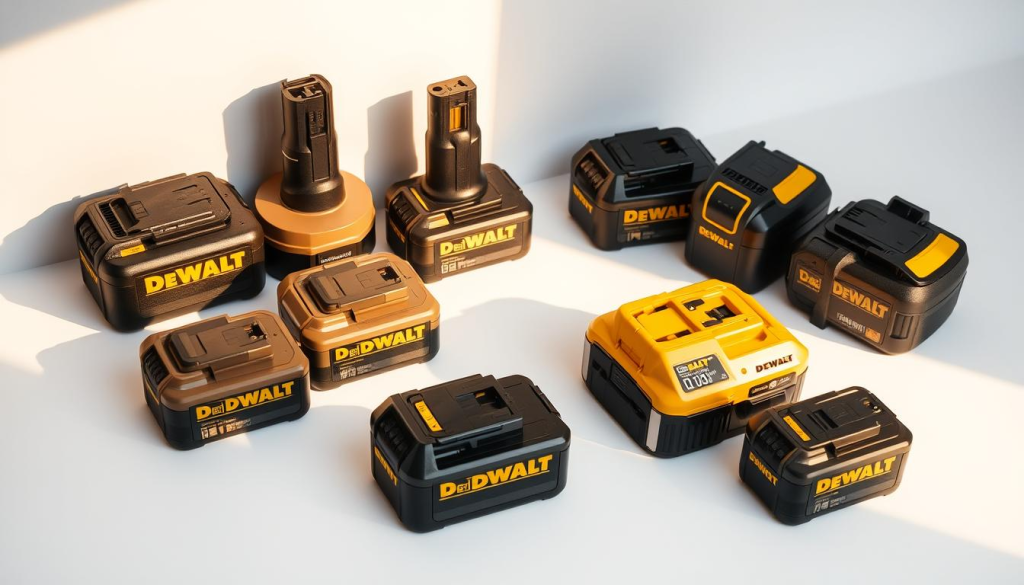
To identify compatible batteries, it’s essential to check the voltage rating and battery type. DeWalt batteries come in various voltage ratings, including 20V MAX and 60V FLEXVOLT. The voltage rating should match the tool’s requirements for optimal performance.
Key Factors for Compatibility:
- Voltage Rating: Ensure the battery’s voltage matches the tool’s specification.
- Battery Type: DeWalt offers different battery types, such as XR and non-XR. Understanding the differences is crucial for compatibility.
- Flexvolt Batteries: These are compatible with both 20V and 60V DeWalt tools, offering flexibility.
Advantages of Using Compatible Batteries
Using compatible batteries with DeWalt tools offers several advantages, including cost savings and increased versatility. By sharing batteries across tools, users can reduce the number of batteries needed, thus lowering the overall cost.
Benefits of Compatibility:
| Benefit | Description |
|---|---|
| Cost Savings | Reduces the need for multiple batteries, lowering overall costs. |
| Increased Versatility | Allows users to share batteries across different tools, enhancing flexibility. |
| Reduced e-Waste | By using fewer batteries, users contribute to reducing electronic waste. |
For instance, DeWalt’s Flexvolt battery system is designed to be compatible with a wide range of tools, from 20V to 60V. This compatibility is a significant advantage, as it allows users to adapt their battery collection to different tools without needing a separate battery for each one.
Types of DeWalt Batteries
The variety of DeWalt batteries available can be overwhelming, but understanding their differences is key to making an informed decision. DeWalt batteries are designed to cater to a wide range of tools and applications, each with its unique requirements.
20V MAX and 60V FLEXVOLT Batteries
DeWalt’s 20V MAX batteries are among the most popular and widely used. They offer a balance between power and portability, making them suitable for a variety of tasks. On the other hand, the 60V FLEXVOLT batteries are designed for high-demand applications, providing significantly more power. A key feature of FLEXVOLT batteries is their ability to adapt to different voltage requirements, making them highly versatile.
“The FLEXVOLT system is a game-changer for professionals who need flexibility and power in their tools,” according to a DeWalt spokesperson. This adaptability is particularly useful in projects that require both high and low voltage tools.
XR vs. Non-XR DeWalt Batteries
DeWalt’s XR batteries are designed with advanced technology to provide longer runtime and durability. XR stands for eXtreme Runtime, reflecting the battery’s ability to last longer under heavy use. Non-XR batteries, while still reliable, may not offer the same level of performance and longevity as their XR counterparts.
- XR batteries offer longer runtime and more durability.
- Non-XR batteries are generally more affordable but may have shorter lifespans.
When choosing between XR and non-XR batteries, it’s essential to consider your specific needs. For heavy users, XR batteries are likely the better choice due to their enhanced performance and longer lifespan.
Interchangeability Benefits
Interchangeable DeWalt batteries are a game-changer for professionals and DIYers alike, offering cost savings and environmental benefits. The ability to use the same batteries across multiple tools not only simplifies inventory management but also significantly reduces the financial burden of purchasing separate batteries for each device.
Cost-Efficiency with Interchangeable Batteries
Using DeWalt’s interchangeable battery system can lead to substantial cost savings. By utilizing existing batteries across various tools, users can avoid the need to purchase additional batteries, thereby reducing overall expenditure. According to a recent study, users can save up to 30% on battery costs by leveraging interchangeable batteries.
| Tool Type | Battery Requirement | Cost Savings with Interchangeable Batteries |
|---|---|---|
| Drills | 20V MAX | 25% |
| Saws | 20V MAX or 60V FLEXVOLT | 30% |
| Sanders | 20V MAX | 20% |
As noted by a industry expert, “The use of interchangeable batteries is a strategic move towards cost-efficiency, allowing users to maximize their tool usage without incurring additional battery costs.”
“The use of interchangeable batteries is a strategic move towards cost-efficiency, allowing users to maximize their tool usage without incurring additional battery costs.”
Reducing e-Waste Through Battery Sharing
The environmental benefits of DeWalt’s interchangeable battery system should not be overlooked. By sharing batteries across tools, users can significantly reduce electronic waste. This approach not only conserves resources but also minimizes the environmental impact associated with battery disposal.

In conclusion, the interchangeability of DeWalt batteries offers numerous benefits, including cost-efficiency and reduced electronic waste. By adopting this system, users can enjoy significant advantages while contributing to a more sustainable future.
Limitations of Interchangeability
While DeWalt batteries offer a high degree of interchangeability, there are certain limitations that users should be aware of. These limitations can impact the performance and overall user experience of DeWalt tools.
Differences in Performance
One of the primary limitations is the difference in performance between various DeWalt batteries when used across different tools. Not all DeWalt batteries are optimized for every tool, which can result in varying levels of performance. For instance, a high-voltage battery might provide more power but could be less efficient in a tool designed for lower voltage.
- High-voltage batteries may offer more power but can be less efficient in lower voltage tools.
- Lower voltage batteries might not fully utilize the capabilities of high-voltage tools.
- Some batteries are designed for specific tasks, such as high-torque or high-speed applications.
Battery Capacity Variability
Another limitation is the variability in battery capacity. DeWalt batteries come in different ampere-hour (Ah) ratings, which affect how long a tool can be used on a single charge. A higher Ah rating generally means longer runtime, but this can also impact the battery’s size, weight, and cost.
- Higher Ah batteries provide longer runtime but may be larger and heavier.
- Lower Ah batteries are more compact and lighter but may require more frequent recharging.
- The choice of battery capacity should be based on the specific needs of the user and the tool being used.
Understanding these limitations is crucial for maximizing the benefits of DeWalt battery interchangeability. By choosing the right battery for the right tool, users can ensure optimal performance and efficiency.
DeWalt Battery Chargers
DeWalt offers a range of battery chargers, and understanding their compatibility with different batteries is key to optimal tool performance. The compatibility of DeWalt battery chargers with various battery types is a significant factor in their versatility and convenience.
Can You Use One Charger for Different Batteries?
According to DeWalt’s design, some chargers are compatible with multiple battery types. For instance, “Flexvolt batteries… can be charged by 60v or 20v DeWalt chargers.” This demonstrates the cross-compatibility of certain DeWalt chargers, making it convenient for users who own multiple batteries.
The following table illustrates the compatibility of DeWalt chargers with different battery types:
| Charger Type | Compatible Batteries |
|---|---|
| 20V MAX Charger | 20V MAX Batteries |
| 60V FLEXVOLT Charger | 60V FLEXVOLT, 20V MAX Batteries |
| FLEXVOLT Charger | FLEXVOLT Batteries, 20V MAX Batteries |
Importance of Using the Right Charger
Using the correct charger for your DeWalt battery is crucial for maintaining its health and ensuring safe operation. The right charger helps in preventing overcharging, which can lead to battery degradation and potentially cause safety hazards.
Key benefits of using the appropriate charger include:
- Prolonged battery life
- Enhanced safety during charging
- Optimal performance of your DeWalt tools
It’s essential to consult your DeWalt tool’s manual or manufacturer’s guidelines to determine the most suitable charger for your specific battery type.
Upgrading Your Battery System
Upgrading your DeWalt battery system can significantly enhance your power tool experience, offering longer runtime and improved efficiency. As your tools and projects become more demanding, the need for a more robust battery solution becomes apparent.
Signs It’s Time to Upgrade
Several indicators suggest it’s time to upgrade your DeWalt battery system. These include:
- Reduced Runtime: If your batteries don’t last as long as they used to, it might be due to aging or increased tool demands.
- Increased Project Complexity: More complex projects often require more powerful tools, which can be better supported by higher capacity batteries.
- Decreased Performance: If your tools are not performing at their best, a higher capacity or more efficient battery could be the solution.
Benefits of Higher Capacity Batteries
Higher capacity DeWalt batteries offer several benefits, including:
- Longer Runtime: Higher capacity batteries allow you to work longer without needing to recharge.
- Improved Performance: More powerful batteries can handle demanding tasks more efficiently.
- Enhanced Flexibility: With the ability to power more tools or handle more complex tasks, your work becomes more flexible and efficient.
For instance, upgrading to a higher capacity DeWalt 60V FLEXVOLT battery
In conclusion, upgrading your DeWalt battery system is a practical step towards enhancing your power tool experience. By recognizing the signs that indicate the need for an upgrade and understanding the benefits of higher capacity batteries, you can make informed decisions to improve your work efficiency and tool performance.
Maintaining DeWalt Batteries
Proper maintenance of DeWalt batteries is crucial for optimizing their performance and longevity. By following a few simple guidelines, you can ensure your batteries continue to power your tools efficiently.
Tips for Extending Battery Life
To maximize the lifespan of your DeWalt batteries, it’s essential to follow best practices for charging and storage. Always charge your batteries in a cool, dry place, away from direct sunlight and moisture. Avoid overcharging, as this can reduce the battery’s overall lifespan.
When not in use, store your DeWalt batteries in a cool, dry environment, away from metal objects that could cause a short circuit. It’s also recommended to store batteries with a partial charge, rather than fully discharged.
- Monitor battery health regularly
- Avoid deep discharging whenever possible
- Update your charger to the latest model if necessary
Safety Precautions When Handling Batteries
Safety should always be your top priority when handling DeWalt batteries. Never touch both terminals with your bare hands, as this can cause a short circuit. Always use the correct charger for your DeWalt batteries, and avoid using damaged or swollen batteries.
| Safety Precaution | Description |
|---|---|
| Avoid Physical Damage | Protect batteries from drops and impacts |
| Proper Charging | Use the correct DeWalt charger and avoid overcharging |
| Storage | Store in a cool, dry place, away from metal objects |
By following these tips and safety precautions, you can significantly extend the life of your DeWalt batteries and ensure they continue to power your tools effectively. Regular maintenance and safe handling practices are key to getting the most out of your DeWalt battery investments.
Customer Experiences
Customer experiences with DeWalt batteries offer valuable insights into the real-world implications of interchangeability. As users continue to explore the flexibility of DeWalt’s battery system, their stories provide a comprehensive understanding of the benefits and challenges associated with using batteries across different tools.
Real User Testimonials
Many DeWalt users have shared their positive experiences with battery interchangeability. For instance, a user might appreciate the convenience of using the same battery across multiple tools, reducing the need for multiple batteries and chargers. One user reported that they were able to use their 20V MAX battery with various DeWalt tools, from drills to saws, without any issues, highlighting the flexibility and cost-effectiveness of the DeWalt system.
Another user shared their experience of using Ryobi tools alongside DeWalt, noting that while DeWalt’s battery system offered great flexibility, exploring different brands for specific needs was also a cost-effective strategy. This user’s testimonial underscores the importance of considering both the compatibility within a brand and the potential benefits of exploring other brands for certain tools or batteries.
Common Issues Reported by Users
Despite the many benefits, users have also reported some common issues with DeWalt battery interchangeability. One of the primary concerns is the variability in performance across different batteries and tools. Some users have noted that while the batteries are interchangeable, the performance can differ significantly depending on the tool and battery combination being used.
Another issue reported by users is related to battery capacity and longevity. Some users have found that certain batteries drain faster when used with specific tools, affecting overall productivity. These experiences highlight the importance of choosing the right battery for the task at hand and understanding the limitations of the DeWalt battery system.
In conclusion, customer experiences with DeWalt batteries provide a nuanced understanding of the interchangeability within the DeWalt ecosystem. By sharing their stories, users help others make informed decisions about their power tool needs and dewalt battery replacement options.
FAQs About DeWalt Batteries
DeWalt battery users often wonder about the compatibility of their batteries across different tools. With a wide range of DeWalt products available, understanding battery interchangeability is essential for both professionals and DIY enthusiasts.
Are All 20V Batteries Interchangeable?
DeWalt’s 20V MAX batteries are designed to be interchangeable across various tools within the same voltage platform. However, it’s crucial to check the compatibility of the battery with your specific tool. The DeWalt 20V MAX battery system allows for flexibility, but not all 20V batteries are compatible with every DeWalt tool.
To ensure compatibility, refer to the tool’s manual or manufacturer’s website. DeWalt provides detailed information on compatible batteries for each tool. Using the correct battery is vital for optimal performance and safety.
What Are the Most Common Compatibility Issues?
Several factors can affect DeWalt battery compatibility, including voltage rating, battery type (XR or non-XR), and the tool’s design. Here are some common compatibility issues:
- Incompatible voltage ratings
- Mismatched battery types (e.g., using a non-XR battery in an XR tool)
- Using older battery models with newer tools
To avoid these issues, it’s recommended to use batteries specifically designed for your DeWalt tool. The following table summarizes common compatibility issues and their solutions:
| Compatibility Issue | Solution |
|---|---|
| Incompatible voltage | Check tool and battery voltage ratings |
| Mismatched battery type | Use the correct battery type (XR or non-XR) |
| Older battery with new tool | Check manufacturer’s compatibility chart |
By understanding these compatibility issues and taking steps to address them, you can ensure safe and effective use of your DeWalt batteries. Always refer to the manufacturer’s guidelines for specific compatibility information.
Conclusion: Making the Most of Your DeWalt Batteries
Understanding DeWalt battery interchangeability is crucial for maximizing the utility of your power tools. By grasping the concepts of dewalt battery cross compatibility and dewalt battery interchangeability, you can make informed decisions about your battery usage.
Key Considerations for Interchangeability
DeWalt batteries offer a range of benefits when used interchangeably across compatible tools. This compatibility not only enhances cost-efficiency but also reduces electronic waste by allowing the sharing of batteries across multiple devices.
Optimizing Battery Performance
To get the most out of your DeWalt batteries, it’s essential to understand the differences in battery types, voltage ratings, and charger compatibility. By choosing the right battery for your tool and following proper maintenance and safety guidelines, you can optimize performance and extend the lifespan of your batteries.
In conclusion, DeWalt’s battery system is designed to offer flexibility and convenience. By leveraging dewalt battery interchangeability, users can enjoy a more streamlined and efficient workflow, making the most of their investment in DeWalt power tools.