
Traveling with power tool batteries can be challenging due to strict airline regulations. Lithium batteries, commonly used in DeWalt power tools, are subject to specific guidelines when transported by air.
Understanding these regulations is crucial for safe transport and avoiding potential issues during your journey. This guide will walk you through the essential rules and best practices for carrying DeWalt batteries on a plane.
Key Takeaways
- Understand airline regulations regarding lithium batteries.
- Learn how to pack DeWalt batteries safely for air travel.
- Discover the importance of proper documentation.
- Find out how to handle battery-related issues during flight.
- Know your rights as a passenger when traveling with power tool batteries.
Overview of DeWalt Batteries and Airline Regulations
DeWalt batteries, widely used in power tools, have specific guidelines for transport on airplanes. Understanding these regulations is essential for professionals and DIY enthusiasts who travel with their tools.
What Are DeWalt Batteries?
DeWalt batteries are rechargeable power sources designed for use in DeWalt power tools. They are lithium-ion batteries, known for their high energy density and long cycle life. This technology allows for more efficient and longer-lasting power, making them ideal for demanding applications.
Understanding Lithium-Ion Technology
Lithium-ion batteries, like those produced by DeWalt, utilize lithium ions to store and release energy. This technology offers several advantages, including high energy density, low self-discharge, and long lifespan. However, lithium-ion batteries also require careful handling and transportation to ensure safety.
When traveling with DeWalt batteries, it’s crucial to comply with airline regulations and TSA guidelines to avoid any issues during your journey. Familiarizing yourself with these regulations can help ensure a smooth travel experience.
TSA Guidelines for Battery Transport
To transport DeWalt batteries by air safely, it’s vital to comprehend the TSA’s regulations and guidelines. The Transportation Security Administration has specific rules in place for lithium batteries, including those from DeWalt, to ensure safe travel.
Carry-On vs. Checked Luggage
One of the critical aspects of TSA guidelines is the distinction between carry-on and checked luggage for battery transport. Spare lithium-ion batteries, including DeWalt batteries, must be carried in carry-on baggage. This is because checked luggage is not as closely monitored, and there’s a higher risk of undetected issues with batteries.
Carrying DeWalt batteries in your carry-on luggage allows for closer monitoring and quicker response in case of any issues. It’s also a requirement by the TSA to prevent potential fires in the cargo hold.
Size and Weight Restrictions
The TSA also enforces size and weight restrictions on lithium-ion batteries. Batteries with a capacity of less than 100 watt-hours are generally allowed in carry-on bags. DeWalt batteries typically fall within this category, but it’s essential to check the specifications of your particular battery model.
- Batteries between 100Wh and 160Wh may be allowed with airline approval.
- Batteries exceeding 160Wh are generally prohibited.
Understanding these restrictions is crucial for compliance with TSA regulations and for a hassle-free travel experience.
Types of DeWalt Batteries and Their Specifications
DeWalt’s diverse battery lineup includes different voltage and capacity options to suit various needs. Understanding the specifications of these batteries is crucial for complying with airline regulations and ensuring safe transport.
12V, 20V, and 60V Battery Packs
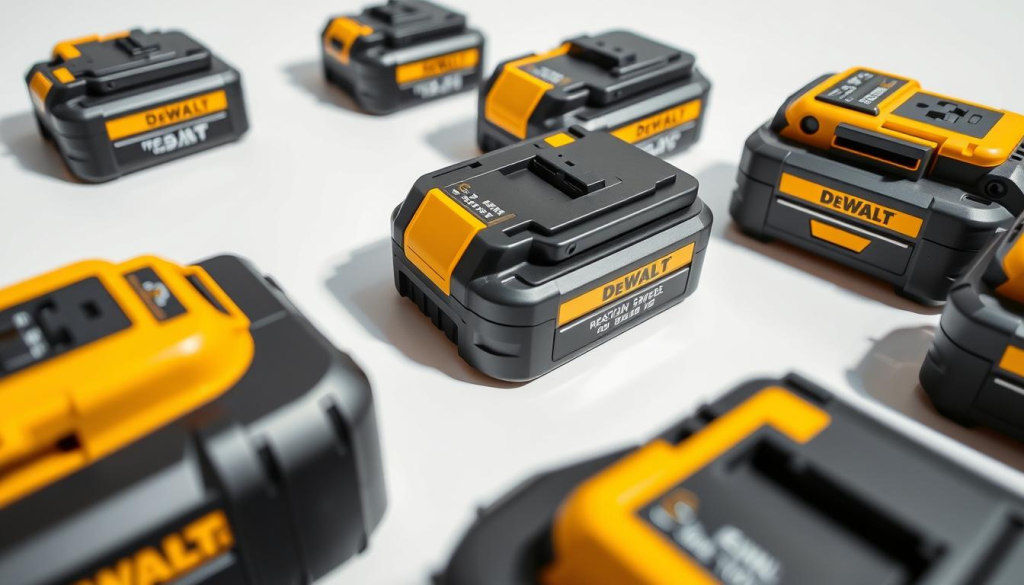
DeWalt batteries are available in several voltage ratings, including 12V, 20V, and 60V. The 20V battery packs are among the most popular, powering a wide range of tools. The 12V batteries are typically used for smaller devices, while the 60V batteries are designed for heavy-duty applications.
Identifying Battery Capacity and Ratings
Battery capacity is measured in ampere-hours (Ah), indicating how much energy a battery can store. DeWalt batteries are labeled with their capacity and voltage ratings. For example, a 20V, 5Ah battery pack provides a balance between power and portability. When carrying DeWalt batteries on a flight, it’s essential to check the capacity and voltage to comply with airline restrictions.
Airline regulations often specify limits on the capacity of lithium-ion batteries that can be carried on or checked. For instance, batteries with a capacity of 100Wh or less are typically allowed in carry-on luggage without restriction. It’s crucial to check with your airline for their specific policies on dewalt battery airline restrictions before your flight.
International Travel with DeWalt Batteries
DeWalt battery owners must familiarize themselves with international travel regulations to avoid any issues during their journey. When traveling abroad, the rules governing the transport of lithium-ion batteries like those made by DeWalt can be complex and vary significantly from one country to another.
Regulations by Country
Different countries have different regulations regarding the transport of lithium-ion batteries. For instance, some countries may have stricter rules about carrying spare batteries, while others may require specific documentation or packaging. It’s essential to research the specific regulations for each country on your travel itinerary.
Key Considerations:
- Check with your airline for their specific policies on carrying DeWalt batteries.
- Understand the local laws and regulations regarding battery transport in your destination countries.
- Be prepared to provide information about your batteries during customs checks.
Preparing for Customs Checks
To ensure a smooth passage through customs, it’s advisable to be well-prepared. Keep your DeWalt batteries and their documentation easily accessible. This may include receipts, proof of purchase, or documentation that verifies the battery’s specifications and compliance with international standards.
Tips for a Smooth Customs Process:
- Keep your batteries in their original packaging or protective cases.
- Have your travel documents and battery information readily available.
- Be aware of the battery’s watt-hour rating and be prepared to explain it if asked.
Best Practices for Packing DeWalt Batteries
To ensure safe transport of DeWalt batteries, it’s vital to follow best packing practices. Proper packaging not only protects the batteries from damage but also helps in complying with airline regulations regarding the transport of lithium-ion batteries.
Protective Packaging Techniques
When packing DeWalt batteries, it’s essential to use protective packaging techniques to prevent damage and short circuits. Here are some steps to follow:
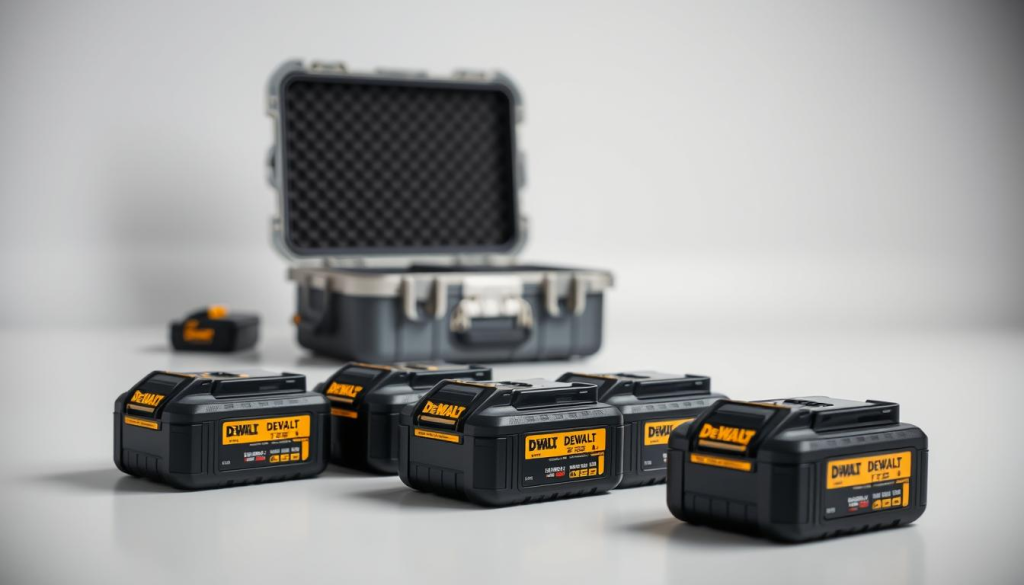
- Wrap each battery individually in a protective covering, such as bubble wrap or a plastic bag, to prevent them from coming into contact with other batteries or metal objects.
- Place the wrapped batteries in a sturdy, protective case or box that is specifically designed for transporting batteries.
- Ensure the batteries are not loose in the packaging and are secured to prevent movement during transport.
Labeling and Documentation Recommendations
Proper labeling and documentation are critical when transporting DeWalt batteries by air. Here are some recommendations:
- Clearly label the package as containing lithium-ion batteries.
- Include documentation that complies with airline and regulatory requirements, such as a certificate of compliance or a document detailing the battery’s specifications.
- Ensure that the packaging is marked with the appropriate hazard labels, as required by regulations for the transport of lithium-ion batteries.
By following these best practices for packing DeWalt batteries, you can help ensure a safe and compliant transport process, reducing the risk of damage or incidents during air travel.
Frequently Asked Questions About Battery Transport
DeWalt battery owners often have questions about transporting their batteries safely and legally on airplanes Page As you travel fr frequently with power tools, understanding the guidelines can make a significant difference in your experience.
Can I Use DeWalt Batteries in Airport Page Work Areas?
Using Page DeWalt batteries in airport work areas is subject to specific regulations and guidelines. Generally, De PageWalt Page batteries are allowed in work areas within airports, but it’s crucial to check with airport authorities or your employer to understand any specific restrictions or requirements.
Some key considerations include:
- Ensuring that your DeWalt batteries are properly labeled and documented.
- Verifying that the work area allows the use of lithium-ion batteries.
- Following Page safety protocols when handling batteries.
What to Do If Batteries Are Page Damaged in Transit
If your DeWalt batteries are damaged during transit, it’s essential to handle them with care. Damaged lithium-ion batteries can be hazardous, and improper handling can lead to safety risks.
| Action | Description |
|---|---|
| Inspect the Damage | Carefully examine the battery for any signs of physical damage or leakage. |
| Isolate the Battery | Place the damaged battery in a protective covering to prevent any potential fire hazard. |
| Notify the Airline | Inform the airline staff about the damaged battery and follow their instructions. |
By following these steps, you can minimize risks associated with damaged DeWalt batteries during travel. Always Page refer to the TSA guidelines and airline policies for the most up-to-date information on flying with DeWalt batteries.
Potential Risks and Safety Concerns
Understanding the risks of lithium-ion batteries is crucial for safe air travel. DeWalt batteries, which are widely used for their high performance and durability, are no exception. When transporting these batteries by air, it’s essential to be aware of the potential hazards and take necessary precautions.
Fire Hazards of Lithium Batteries
Lithium-ion batteries, including DeWalt batteries, can pose a fire hazard if not handled properly. Improper packaging, damage, or exposure to high temperatures can lead to thermal runaway, a condition where the battery overheats and can catch fire. To mitigate this risk, it’s crucial to follow proper packaging guidelines and keep batteries away from metal objects that could cause a short circuit.
Airlines and regulatory bodies have implemented strict guidelines to minimize the risk of lithium-ion battery fires on planes. For instance, batteries must be protected from accidental activation, and spare batteries are subject to specific carry-on and checked luggage restrictions.
Handling Emergencies During Flights
In the unlikely event of a lithium-ion battery fire on a plane, knowing how to respond is critical. Passengers are advised to inform the flight crew immediately if they notice smoke or fire. Flight attendants are trained to handle such emergencies, and there are protocols in place for containing and extinguishing battery fires.
To handle emergencies effectively, it’s also important for passengers to be aware of their airline’s specific policies and procedures regarding lithium-ion battery transport and emergency response.
Popular DeWalt Batteries Approved for Air Travel
When it comes to air travel, understanding which DeWalt batteries are approved can make a significant difference for professionals and DIY enthusiasts alike. DeWalt offers a range of batteries that are compliant with airline regulations, and knowing the specifics can help in planning your trip more effectively.
Top Models for Professional Use
DeWalt’s 20V and 60V battery packs are among the most popular among professionals. These batteries are not only powerful but also meet the safety standards required for air transport. The DeWalt 20V MAX Lithium-Ion Battery is a favorite among many due to its balance of power and portability.
For heavy-duty applications, the DeWalt 60V MAX Lithium-Ion Battery is often preferred. It provides the high voltage needed for demanding tasks while being compliant with airline regulations regarding lithium-ion batteries.
User Experiences and Feedback
Many professionals have shared their experiences with carrying DeWalt batteries on flights. A common theme is the importance of proper packaging to prevent damage and short circuits. Users recommend using the original packaging or protective cases to ensure safety.
| DeWalt Battery Model | Voltage | Capacity (Ah) | Air Travel Approved |
|---|---|---|---|
| DCB2002 | 20V | 2.0 | Yes |
| DCB2050 | 20V | 5.0 | Yes |
| DCB606 | 60V | 6.0 | Yes |
It’s also worth noting that while these batteries are approved for air travel, it’s always a good idea to check with your airline for any specific requirements or restrictions they may have.
General Tips for Air Travel with Tools
Air travel with tools requires careful Page planning, including selecting the right tools and preparing for security checks. Whether you’re a professional or a DIY enthusiast, understanding the regulations and best practices can make your journey smoother.
Planning Your Tool List
Before packing your tools, consider the essentials for your project. Here are some tips to help you plan:
- Identify the tools you need for your project.
- Check the size and weight restrictions for carry-on and checked luggage.
- Choose tools that are compact and lightweight.
By selecting the right tools, you can avoid unnecessary hassle during security checks.
Preparing for Security Checks
Security checks are a critical part of air travel. To navigate them successfully with your tools:
- Pack your tools in a way that makes them easy to inspect.
- Keep batteries and other potentially restricted items separate and easily accessible.
- Be prepared to explain the purpose of your tools.
Understanding and complying with security regulations can significantly reduce the stress associated with traveling with tools.
By following these general tips, you can ensure a more streamlined and less stressful travel experience with your tools.
Resources for Further Information
To ensure compliance with airline regulations, it’s crucial to refer to authoritative sources regarding DeWalt battery transport. Travelers can benefit from consulting official resources to understand the specific guidelines that apply to their situation.
Official TSA Resources
The Transportation Security Administration (TSA) provides detailed guidelines on the transport of batteries, including those from DeWalt. For the most accurate and up-to-date information, travelers should visit the TSA’s official website. Here, they can find information on:
- Battery types allowed in carry-on and checked luggage
- Specific packing instructions to prevent accidents
- Any travel restrictions or additional requirements
Additionally, the TSA’s customer service can be contacted for queries that are not addressed online, providing an additional layer of support for travelers.
Manufacturer Guidelines and Support
DeWalt, as a manufacturer, also provides guidelines and support for transporting their batteries. Travelers can visit DeWalt’s official website to find:
- Specific instructions for packaging and transporting DeWalt batteries
- Information on battery care and maintenance during travel
- Contact details for customer support in case of specific queries
It’s advisable to check both TSA and DeWalt resources to ensure comprehensive understanding and compliance with regulations.
By leveraging these resources, travelers can ensure they are well-informed about the regulations and best practices for transporting DeWalt batteries, making their journey smoother and compliant with airline regulations.
Conclusion: Safe Transport of DeWalt Batteries
Transporting DeWalt batteries by air requires careful planning and compliance with regulations to ensure safe travel. Understanding the guidelines set by the Transportation Security Administration (TSA) and airlines is crucial for flying with DeWalt batteries.
Compliance is Key
Adhering to the regulations and guidelines outlined in this guide is essential for the safe transport of DeWalt batteries. This includes properly packaging batteries, understanding size and weight restrictions, and being aware of international regulations when transporting DeWalt batteries by air.
Your Travel Checklist
To ensure a smooth journey, check that you have:
- Properly packaged DeWalt batteries in protective packaging
- Checked the size and weight restrictions for carry-on and checked luggage
- Verified the regulations for international travel, if applicable
- Declared your batteries at security checkpoints
By following these steps and understanding the importance of compliance, you can safely transport your DeWalt batteries by air.