
Understanding the charging time of your DEWALT batteries is crucial for maximizing their performance and lifespan. DEWALT is renowned for its durable and high-performance batteries, which are designed to meet the demands of various power tools.
The charging duration of DEWALT batteries varies based on the type of battery and the charger model used. Proper charging practices not only ensure that your batteries are always ready when needed but also contribute to their overall longevity.
Key Takeaways
- Factors influencing DEWALT battery charging time include battery type and charger model.
- Proper charging practices enhance battery performance and lifespan.
- Understanding charging times helps in maximizing battery efficiency.
- DEWALT batteries are known for their durability and performance.
- Efficient charging tips can be applied to optimize battery usage.
Understanding DEWALT Battery Types
To get the most out of your DEWALT power tools, it’s essential to understand the different battery types available. DEWALT offers a range of batteries that vary in voltage, capacity, and technology, catering to diverse user needs.
Different Types of DEWALT Batteries
DEWALT batteries are primarily categorized into two main types: the 18V XR line and Powerstack batteries. The 18V XR line is known for its high performance and durability, making it suitable for heavy-duty applications. Powerstack batteries, on the other hand, offer a compact, high-capacity solution ideal for users needing enhanced runtime in a smaller form factor.
Voltage Variations
DEWALT batteries come in various voltage ratings, including 12V, 18V, 20V, and 40V. The choice of voltage depends on the specific power tool and the task at hand. Higher voltage batteries generally provide more power, making them suitable for demanding tasks.
| Voltage Rating | Typical Applications | Notable Features |
|---|---|---|
| 12V | Light-duty tasks, small power tools | Compact, lightweight |
| 18V/20V | General-purpose, heavy-duty tasks | High performance, versatile |
| 40V | High-demand applications, heavy-duty tools | High power output, robust |
Battery Capacity Explained
Battery capacity, measured in Ampere-hours (Ah), indicates how much energy a battery can store. DEWALT batteries range from 1.3Ah to 9.0Ah and beyond. A higher Ah rating means longer runtime, making it crucial to choose a battery that matches your usage patterns.
Standard Charging Times for DEWALT Batteries
Knowing how long it takes to charge your DEWALT batteries can help you plan your work more efficiently. DEWALT offers a range of batteries with different capacities and charging times.
Common Models and Their Charge Times
DEWALT batteries come in various voltages and capacities, affecting their charging times. Here are some common models and their typical charge times:
| Battery Model | Voltage | Capacity (Ah) | Charge Time (hours) |
|---|---|---|---|
| DCB200 | 20V | 2.0 | 1 |
| DCB205 | 20V | 5.0 | 2.5 |
| DCB300 | 20V | 3.0 | 1.5 |
Table: Typical charge times for common DEWALT battery models using a standard charger.
Factors Affecting Charging Time
Several factors can influence the charging time of DEWALT batteries, including the age and condition of the battery, ambient temperature, and the type of charger used. For instance, using a fast charger can significantly reduce charging times.
- Battery Age: Older batteries may charge more slowly.
- Ambient Temperature: Extreme temperatures can affect charging efficiency.
- Charger Type: Fast chargers can reduce charge times by up to 50%.
Understanding these factors can help you optimize your battery charging process and minimize downtime.
Fast Chargers vs. Standard Chargers
Understanding the differences between fast chargers and standard chargers is crucial for DEWALT battery owners. The choice between these two types of chargers can significantly impact your work efficiency and battery longevity.
What is a Fast Charger?
A fast charger is designed to charge batteries at a much faster rate than standard chargers. DEWALT’s fast chargers can charge batteries up to 2 times faster than their standard counterparts, minimizing downtime and increasing productivity.
Benefits of Using Fast Chargers
Using a fast charger offers several benefits, including:
- Reduced Downtime: Fast chargers minimize the time spent waiting for batteries to charge, allowing for more work to be done in less time.
- Increased Productivity: By having batteries ready more quickly, users can maintain their workflow without significant interruptions.
- Convenience: Fast chargers are particularly useful for professionals who rely heavily on their tools and cannot afford to wait for extended periods for their batteries to charge.
Limitations of Fast Chargers
While fast chargers offer numerous benefits, they also have some limitations:
- Heat Generation: Fast charging can generate more heat, which may affect battery lifespan if not managed properly.
- Battery Compatibility: Not all batteries are compatible with fast chargers. It’s essential to ensure that your DEWALT battery is compatible with a fast charger.
- Potential for Overcharging: If not monitored, fast chargers can potentially overcharge batteries, leading to reduced battery life.
In conclusion, fast chargers offer a significant advantage in terms of charging speed, but it’s crucial to be aware of their limitations to maximize their benefits while protecting your DEWALT batteries.
What Factors Influence Charging Times?
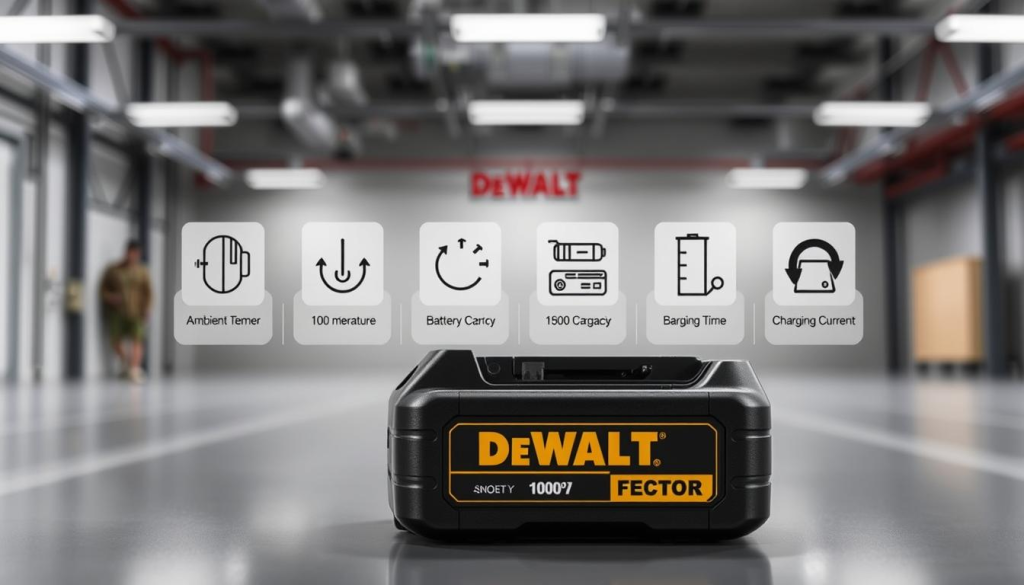
Several factors can influence the charging time of DEWALT batteries, including the age and condition of the battery, ambient temperature, and charging cycles. Understanding these factors is essential for optimizing battery performance and extending their lifespan.
Battery Age and Condition
The age and condition of a DEWALT battery significantly impact its charging time and overall performance. As batteries age, their capacity to hold a charge diminishes, leading to longer charging times and reduced efficiency. Regular maintenance, such as cleaning the battery terminals and storing batteries properly, can help mitigate the effects of aging.
Batteries that are not properly maintained may experience a decline in performance. For instance, batteries with corroded terminals or those that have been deeply discharged multiple times may charge more slowly. Ensuring that batteries are kept in good condition is vital for maintaining optimal charging times.
Ambient Temperature Effects
Ambient temperature plays a crucial role in determining DEWALT battery charging times. Extreme temperatures, either hot or cold, can affect the chemical reactions within the battery, influencing how quickly it can charge. DEWALT batteries, like most lithium-ion batteries, charge more efficiently at temperatures between 65°F and 75°F (18°C and 24°C).
Charging batteries in very high or low temperatures can lead to reduced performance and potentially cause damage. For example, charging a battery in freezing temperatures can slow down the chemical reactions, resulting in longer charging times. Conversely, high temperatures can cause batteries to degrade faster.
Charging Cycles
The number of charging cycles a DEWALT battery has undergone also affects its charging time. A charging cycle is a full discharge followed by a full recharge. Most DEWALT batteries are designed to handle a specific number of charging cycles before their capacity starts to degrade. As batteries approach the end of their cycle life, they may take longer to charge and may not hold a charge as well as they once did.
Monitoring the charging cycles and maintaining batteries according to the manufacturer’s guidelines can help extend their lifespan. It’s also worth noting that avoiding deep discharges and keeping batteries away from extreme temperatures can contribute to better overall battery health.
| Factor | Impact on Charging Time | Recommendation |
|---|---|---|
| Battery Age | Older batteries charge more slowly | Regular maintenance |
| Ambient Temperature | Extreme temperatures affect charging efficiency | Charge between 65°F and 75°F (18°C and 24°C) |
| Charging Cycles | Increased cycles lead to longer charging times | Monitor cycle count and follow manufacturer guidelines |
Tips for Efficient Battery Charging
Understanding how to charge your DEWALT batteries efficiently can make a significant difference in their longevity. Efficient battery charging is not just about plugging in your battery; it’s about adopting practices that enhance the battery’s lifespan and performance.
Best Practices for Charging DEWALT Batteries
To charge your DEWALT batteries effectively, follow these best practices:
- Store batteries in a cool, dry place away from direct sunlight.
- Avoid extreme temperatures, as they can affect battery performance.
- Keep the battery contacts clean to ensure proper charging.
- Use the correct charger for your DEWALT battery model.
By following these guidelines, you can significantly improve the charging efficiency of your DEWALT batteries. As DEWALT suggests, proper care and maintenance are crucial for optimal performance.
“Proper care and maintenance of your DEWALT batteries can extend their lifespan and ensure consistent performance.”
Avoiding Overcharging
Overcharging is a common issue that can reduce the lifespan of your DEWALT batteries. To avoid overcharging:
- Use a charger with an automatic shut-off feature.
- Monitor the charging process and remove the battery when it’s fully charged.
- Avoid leaving the battery on the charger for extended periods.
| Charging Practice | Benefit |
|---|---|
| Using a charger with automatic shut-off | Prevents overcharging |
| Monitoring the charging process | Ensures timely removal of the battery |
| Storing batteries properly | Maintains battery health |
By adopting these practices, you can significantly extend the life of your DEWALT batteries and ensure they perform at their best.
How to Extend DEWALT Battery Life
Extending the life of your DEWALT batteries involves a few simple yet effective strategies. By understanding how to properly maintain and store your batteries, you can maximize their lifespan and ensure they continue to perform optimally.
Maintenance Tips
Regular maintenance is crucial for extending the life of your DEWALT batteries. One of the key maintenance tasks is cleaning the battery contacts. Dirt and grime can accumulate on the contacts, reducing the battery’s efficiency. Use a soft brush or a cotton swab to gently clean the contacts. Additionally, ensure that your battery’s firmware is up to date, as manufacturers often release updates that can improve battery performance and longevity.
Key Maintenance Activities:
- Clean battery contacts regularly
- Update battery firmware as necessary
- Avoid deep discharging; charge batteries when they fall below 20% capacity
Storage Recommendations
Proper storage is equally important for maintaining your DEWALT batteries. Store batteries in a cool, dry environment, away from direct sunlight and extreme temperatures. Avoid storing batteries in environments with high humidity, as moisture can damage the internal components. It’s also recommended to store batteries in a protective case to prevent physical damage.
| Storage Condition | Recommended Practice |
|---|---|
| Temperature | Store between 40°F and 80°F (4°C and 27°C) |
| Humidity | Keep in a dry environment, avoid high humidity |
| Protection | Use a protective case to prevent physical damage |
By following these maintenance tips and storage recommendations, you can significantly extend the life of your DEWALT batteries. As
“The key to maximizing battery life is a combination of proper care and storage.”
, ensuring that your batteries are well-maintained and stored correctly will help you get the most out of your DEWALT tools.
Signs Your DEWALT Battery Needs Replacement
A failing DEWALT battery can significantly impact your work efficiency, making it essential to know when to replace it. Recognizing the signs of a battery nearing the end of its lifespan can help you plan for a replacement and avoid unexpected downtime.
Warning Signs of a Failing Battery
Several indicators suggest that your DEWALT battery is failing. These include:
- Reduced Performance: If your power tool is not operating as efficiently as it once did, or if it doesn’t hold a charge as long, it may be a sign that the battery is deteriorating.
- Failure to Hold a Charge: Batteries that cannot retain a charge are a clear indication that they are nearing the end of their useful life.
- Physical Damage: Visible signs of wear, such as swelling, rust, or broken terminals, are clear indicators that the battery needs to be replaced.
Monitoring these signs can help you determine when it’s time to replace your DEWALT battery.
Testing Your Battery’s Health
To assess the health of your DEWALT battery, you can perform a few simple tests:
- Check the Voltage: Using a multimeter, you can check the battery’s voltage to ensure it’s within the expected range.
- Load Testing: Apply a load to the battery to see how it performs under stress. A significant drop in voltage during load testing indicates a failing battery.
| Battery Condition | Voltage Reading | Load Test Result |
|---|---|---|
| Healthy | Within expected range | Minimal voltage drop |
| Failing | Below expected range | Significant voltage drop |
By understanding these signs and performing simple tests, you can determine when your DEWALT battery needs replacement, ensuring your power tools continue to operate efficiently.
The Role of Battery Management Systems
The battery management system is a crucial element in DEWALT batteries, ensuring they operate efficiently and safely. This system is designed to monitor and control various aspects of battery performance, playing a vital role in maintaining the overall health and longevity of the battery.
What is a Battery Management System?
A Battery Management System (BMS) is an electronic system that manages a rechargeable battery, ensuring its safe operation and optimal performance. The BMS monitors parameters such as voltage, current, and temperature, and it controls the charging and discharging processes to prevent damage to the battery.
Key functions of a BMS include:
- Monitoring battery state and parameters
- Controlling charge and discharge rates
- Preventing overcharge and deep discharge
- Balancing cell voltages
- Providing safety protections
Benefits of a Good Management System
A well-designed BMS offers numerous benefits, including enhanced safety, improved performance, and extended battery lifespan. By preventing overcharging and deep discharging, a BMS helps maintain the battery’s health, reducing the risk of damage and prolonging its usable life.
According to industry experts, “A good BMS is essential for maximizing the potential of lithium-ion batteries, which are commonly used in power tools like those produced by DEWALT.”
“The BMS ensures that the battery operates within safe limits, optimizing its performance and longevity.”
The benefits of a good BMS can be summarized in the following table:
| Benefit | Description |
|---|---|
| Enhanced Safety | Prevents overheating, overcharging, and other hazardous conditions |
| Improved Performance | Optimizes charge and discharge cycles for better efficiency |
| Extended Lifespan | Reduces wear and tear on the battery, prolonging its usable life |
In conclusion, the battery management system is a vital component of DEWALT batteries, ensuring they operate safely, efficiently, and effectively. By understanding the role and benefits of a BMS, users can better appreciate the technology that goes into their power tools.
Real-World Use Cases for DEWALT Batteries
The reliability of DEWALT batteries makes them ideal for both residential and commercial use. DEWALT batteries are designed to power a wide range of tools and equipment, catering to diverse needs across different sectors.
Residential Use
In residential settings, DEWALT batteries are commonly used for DIY projects and home maintenance tasks. They power tools such as drills, saws, and sanders, making it easier for homeowners to complete tasks efficiently.
Some common residential applications include:
- Home renovations
- Gardening and landscaping
- Minor repairs and maintenance
Commercial Applications
Commercially, DEWALT batteries are used in heavy-duty applications across various industries, including construction, manufacturing, and warehousing. Their high capacity and durability ensure that professionals can work continuously without downtime.
| Industry | Common Tools | Benefits |
|---|---|---|
| Construction | Drills, impact drivers, saws | High torque, long runtime |
| Manufacturing | Grinders, sanders, rotary hammers | Durability, fast charging |
| Warehousing | Material handling equipment | Reliability, long battery life |
DEWALT batteries are a preferred choice among professionals due to their performance and reliability in demanding environments.
Frequently Asked Questions about DEWALT Batteries
Understanding DEWALT batteries can be simplified by addressing some frequently asked questions. DEWALT battery users often seek information on charging times, charger compatibility, and how to maintain their batteries for optimal performance.
How Long Does it Take to Charge a DEWALT Battery?
The charging time for DEWALT batteries varies based on the battery type, capacity, and charger used. Typically, a standard charger can take anywhere from 30 minutes to several hours to fully charge a DEWALT battery. For instance, a 20V MAX DEWALT battery can be charged in about 30-60 minutes using a standard charger, while higher capacity batteries may take longer.
Can I Use Any Charger for DEWALT Batteries?
Not all chargers are compatible with DEWALT batteries. It’s crucial to use a charger that is specifically designed for your DEWALT battery type. Using an incompatible charger can lead to inefficient charging, damage to the battery, or safety hazards. DEWALT provides various chargers, including standard and fast chargers, designed to work with their batteries.
| DEWALT Battery Type | Standard Charger Time | Fast Charger Time |
|---|---|---|
| 20V MAX | 30-60 minutes | 15-30 minutes |
| 40V MAX | 1-2 hours | 30-60 minutes |
| 60V MAX | 2-3 hours | 1-2 hours |
Comparing DEWALT Batteries with Competitors
DEWALT batteries are renowned for their reliability, but how do they stack up against the competition? When choosing a battery for your power tools, understanding the differences between brands can help you make an informed decision.
DEWALT vs. Ryobi
DEWALT and Ryobi are two prominent brands in the power tool industry. While both offer high-quality batteries, there are significant differences in their performance and pricing. DEWALT batteries are known for their long cycle life and high discharge rate, making them ideal for heavy-duty applications. Ryobi, on the other hand, offers more affordable options without compromising too much on performance.
A key comparison point is the battery’s capacity and voltage. DEWALT offers a range of batteries with different capacities, such as 5Ah and 9Ah, providing flexibility for various tools. Ryobi also offers a variety of battery options, but their higher capacity batteries are less common.
DEWALT vs. Makita
Makita is another well-respected brand in the power tool sector, known for its high-performance batteries. When comparing DEWALT and Makita, both offer high-quality batteries with advanced features like overcharge protection and long battery life. However, Makita batteries tend to be more expensive than DEWALT’s offerings.
In terms of performance, both brands deliver high discharge rates and long cycle lives. However, DEWALT batteries are often praised for their compatibility with a wide range of tools, making them a versatile choice for professionals who use multiple DEWALT devices.
| Brand | Battery Capacity | Voltage Options | Price Range |
|---|---|---|---|
| DEWALT | 5Ah, 9Ah | 18V, 20V | $50-$150 |
| Ryobi | 4Ah, 6Ah | 18V, 40V | $30-$120 |
| Makita | 3Ah, 6Ah | 18V, 36V | $60-$180 |
Ultimately, the choice between DEWALT, Ryobi, and Makita batteries depends on your specific needs and budget. By considering factors like battery capacity, voltage, and price, you can select the best battery for your power tools.
Conclusion: Making the Most of Your DEWALT Battery
Proper care and maintenance of your DEWALT battery are crucial for maximizing its lifespan and performance. By understanding the intricacies of DEWALT battery charging times, types, and maintenance, you can ensure your power tools remain operational when you need them most.
Key Takeaways
To get the most out of your DEWALT battery, it’s essential to follow dewalt battery tips such as avoiding overcharging, storing batteries in a cool, dry place, and regularly checking battery health. Proper charging practices, including using the right charger and monitoring charging cycles, also play a significant role in extending battery life.
Further Resources
For resources for further information on DEWALT battery care and maintenance, you can visit the official DEWALT website or consult user manuals for specific models. Additionally, online forums and DIY communities often share valuable insights and tips on optimizing battery performance.