
Maintaining the optimal performance of your power tools requires understanding when to replace your DEWALT batteries. The lifespan of these batteries is influenced by several factors, including usage patterns, storage conditions, and charging habits.
With proper care and maintenance, DEWALT batteries can last for several years. However, their longevity can vary significantly based on how they are used and maintained. Recognizing the signs that indicate it’s time to replace your battery is crucial for ensuring your tools continue to operate efficiently.
Key Takeaways
- Proper care and maintenance are key to extending DEWALT battery life.
- Usage patterns, storage conditions, and charging habits affect dewalt cordless tool battery lifespan.
- Understanding when to replace your battery is crucial for maintaining optimal tool performance.
- DEWALT batteries are designed to last for several years.
- Recognizing signs of battery degradation can help you replace it at the right time.
Understanding DEWALT Battery Life
The longevity of DEWALT batteries depends on various factors, including usage patterns, charging habits, and environmental conditions. To maximize the lifespan of your DEWALT batteries, it’s essential to understand these factors and how they impact battery performance.
Factors Affecting Battery Longevity
Several key factors influence the lifespan of DEWALT batteries. Charging habits play a significant role; avoiding overcharging and not leaving batteries on the charger for extended periods can help prolong their life. Usage patterns, including the type of tasks performed and the frequency of use, also significantly impact battery longevity. Additionally, environmental conditions such as extreme temperatures and storage practices can further influence how long your DEWALT batteries last.
Typical Battery Lifespan
Typically, DEWALT batteries can last between 3 to 5 years, depending on the factors mentioned above. Lithium-ion batteries, in particular, are known for their durability and long lifespan. However, the actual lifespan can vary based on how well you maintain your batteries and the conditions in which they are used and stored.
Signs of Battery Degradation
Signs that your DEWALT battery is degrading include reduced runtime, decreased power output, and visible damage such as swelling or corrosion. If you notice any of these signs, it may be time to consider replacing your battery to maintain optimal performance.
By understanding the factors that affect DEWALT battery life and recognizing the signs of degradation, you can take proactive steps to maximize the lifespan of your batteries and ensure your tools continue to operate efficiently.
When to Replace Your DEWALT Battery
Understanding when it’s time to replace your DEWALT battery is crucial for maintaining optimal performance in your power tools. Several factors can indicate that a replacement is necessary.
Key Indicators for Replacement
Key indicators that your DEWALT battery needs replacement include a significant reduction in runtime, a noticeable decrease in power output, and visible signs of wear or damage. If your battery is no longer holding a charge as it used to, or if it’s taking longer to charge, it might be time to consider a replacement.
Signs of Battery Degradation:
- Reduced runtime
- Decreased power output
- Visible damage or wear
- Longer charging times
Impact of Usage Patterns
The way you use your DEWALT power tools significantly impacts the battery’s lifespan. Frequent heavy use, such as in demanding applications or continuous operation, can reduce the battery’s overall lifespan. Conversely, moderate use can extend it.
| Usage Pattern | Impact on Battery Lifespan |
|---|---|
| Frequent Heavy Use | Reduced Lifespan |
| Moderate Use | Extended Lifespan |
| Occasional Use | Longer Lifespan |
Seasonal Considerations
Seasonal variations, particularly extreme temperatures, can affect your DEWALT battery’s health. Storing batteries in very cold or hot environments can impact their performance and longevity. It’s essential to store batteries in a cool, dry place when not in use.
By being aware of these factors and taking proactive steps, you can maximize the lifespan of your DEWALT batteries and ensure your power tools continue to perform optimally.
Common Types of DEWALT Batteries
Choosing the right DEWALT battery involves understanding the different types available and their characteristics. DEWALT offers a range of batteries, each designed to meet specific needs and tool requirements.
Lithium-Ion vs. NiCad Batteries
DEWALT batteries are primarily available in two chemistries: Lithium-Ion (Li-ion) and Nickel-Cadmium (NiCad). Lithium-Ion batteries are known for their high energy density and longer lifespan compared to NiCad batteries. Li-ion batteries also have a lower self-discharge rate, making them more convenient for users who may not use their tools frequently.
The dewalt lithium-ion battery lifespan is generally longer than that of NiCad batteries, offering more charge cycles before they need to be replaced. This makes Li-ion batteries a more cost-effective option in the long run, despite their higher upfront cost.
Battery Voltage Considerations
When selecting a DEWALT battery, voltage is a critical factor. DEWALT tools are available in various voltages, including 12V, 20V, and 60V. The voltage of the battery must match the voltage requirements of the tool to ensure compatibility and optimal dewalt battery performance.
| Voltage | Typical Applications | Runtime |
|---|---|---|
| 12V | Light-duty tasks, small tools | Short to medium |
| 20V | General-purpose tools, medium-duty tasks | Medium to long |
| 60V | Heavy-duty applications, high-power tools | Long |
Choosing the Right Battery for Your Tool
To ensure optimal performance and longevity, it’s crucial to choose a battery that matches your tool’s specifications. Consider factors such as voltage, capacity (Ah), and chemistry when selecting a DEWALT battery. Following dewalt battery care instructions can also help prolong the battery’s lifespan.
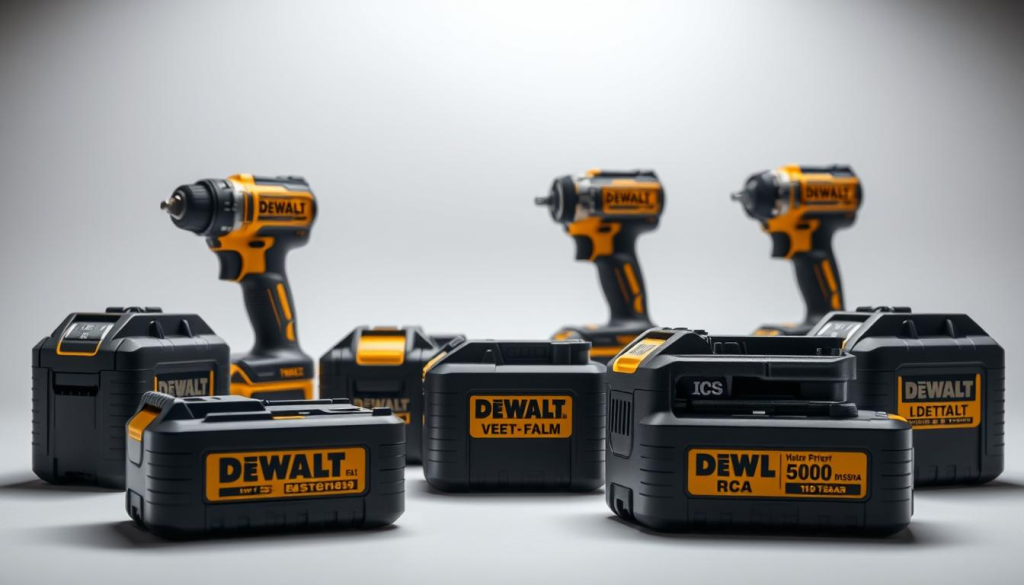
By understanding the different types of DEWALT batteries and their characteristics, users can make informed decisions that enhance their tool’s performance and overall user experience.
DEWALT Battery Maintenance Tips
Maintaining your DEWALT batteries correctly can significantly enhance their performance and lifespan. Proper maintenance involves a combination of storage practices, charging techniques, and regular care guidelines.
Proper Storage Practices
Storing your DEWALT batteries properly is crucial for maintaining their health. Keep batteries in a cool, dry place away from direct sunlight and extreme temperatures. Avoid storing batteries in areas with high humidity or where they might be exposed to moisture. It’s also advisable to store batteries away from metal objects that could cause a short circuit.
Charging Techniques for Longevity
The way you charge your DEWALT batteries can significantly impact their longevity. To prolong battery life, avoid overcharging by removing the battery from the charger once it’s fully charged. It’s also recommended not to let batteries completely discharge on a regular basis; instead, charge them when they’re partially depleted.
Using the correct charger for your DEWALT batteries is also crucial. Ensure you’re using a charger that’s compatible with your battery type to prevent damage.
Cleaning and Care Guidelines
Regular cleaning and inspection of your DEWALT batteries are essential maintenance practices. Clean the battery contacts periodically to ensure good connectivity. Use a soft brush or a dry cloth to remove any dirt or debris from the battery terminals.
Inspect your batteries regularly for signs of damage, such as cracks or dents. If you notice any damage, it’s best to replace the battery to avoid any potential safety risks.
By following these maintenance tips, you can help extend the life of your DEWALT batteries and ensure they continue to perform optimally.
Warranty Considerations for DEWALT Batteries
When investing in DEWALT batteries, it’s essential to consider the warranty offered. DEWALT provides a comprehensive warranty that covers defects in materials and workmanship, ensuring that customers receive reliable products.
What the Warranty Covers
DEWALT’s warranty covers manufacturing defects, providing customers with peace of mind when purchasing their batteries. The warranty period varies depending on the specific product and usage conditions.
According to DEWALT’s official documentation, the warranty covers repairs or replacements for defective batteries, ensuring that customers can continue working without interruption.
“DEWALT stands behind the quality of our batteries, and our warranty reflects this commitment to excellence.” – DEWALT Customer Service
Best Practices for Warranty Claims
To make a warranty claim, customers should follow DEWALT’s guidelines, which include registering their product and providing proof of purchase. Understanding the terms of the warranty can help navigate the claims process more efficiently.
| Warranty Claim Step | Description |
|---|---|
| 1. Register Your Product | Sign up on DEWALT’s website to activate your warranty. |
| 2. Gather Required Documents | Collect proof of purchase and any other required documentation. |
| 3. Submit Your Claim | Follow DEWALT’s instructions to file your warranty claim. |
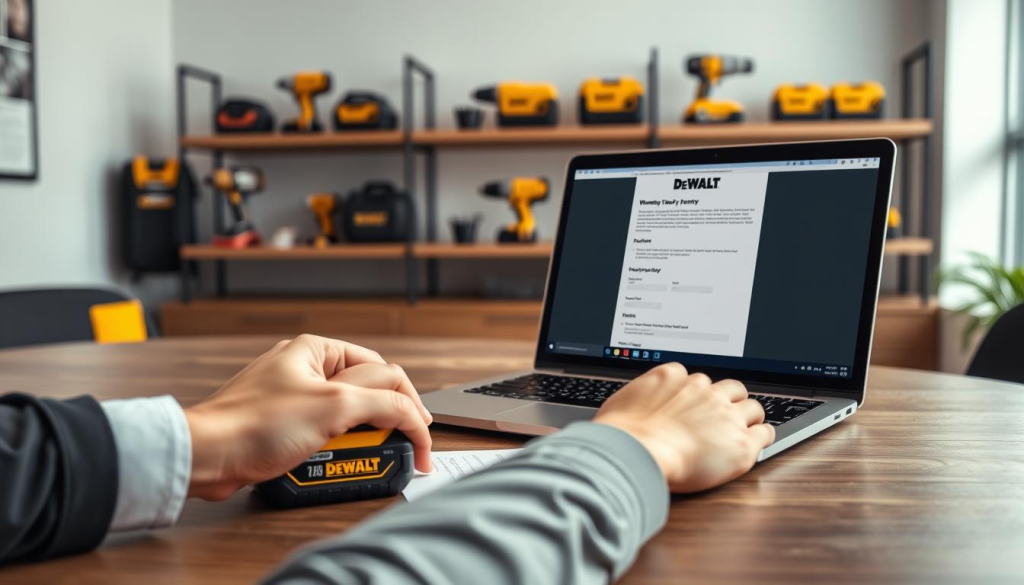
By following these best practices and understanding what the warranty covers, DEWALT battery users can ensure they receive the support they need when issues arise.
Cost of DEWALT Battery Replacement
The cost of replacing DEWALT batteries varies significantly based on several factors, including the type, capacity, and voltage of the battery.
Average Price Range
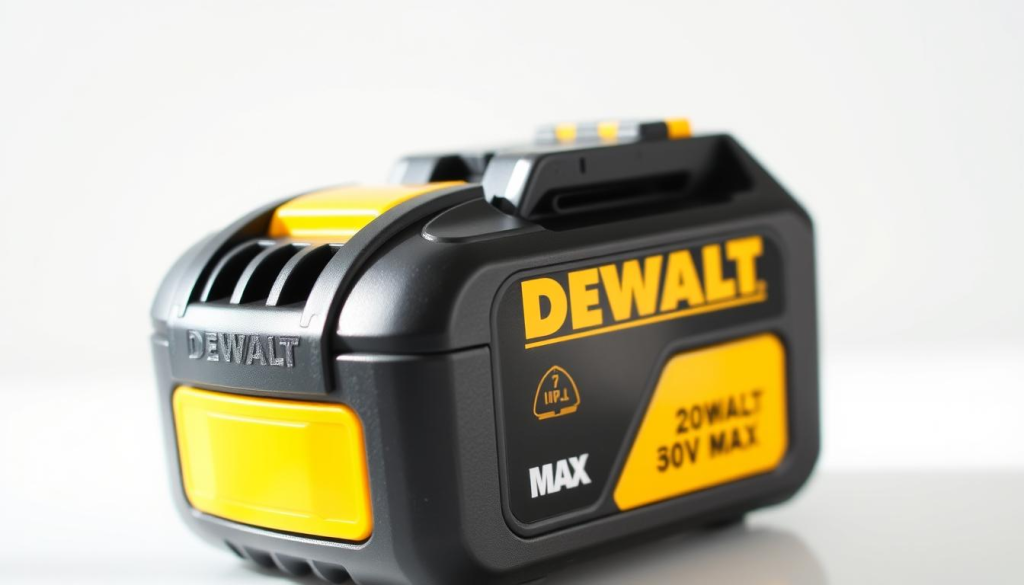
On average, the price for a DEWALT battery replacement can range from $50 to over $100 for high-capacity batteries. The cost is influenced by the specific model and the voltage of the battery, with higher voltage batteries typically costing more.
For instance, a standard 20V DEWALT battery might cost around $50-$60, while a higher capacity 60V battery could cost upwards of $100-$150. It’s essential to check the specific requirements of your tool to determine the correct replacement battery and its associated cost.
Comparing New Batteries vs. Replacement
When considering DEWALT battery replacement, one must decide between purchasing new batteries or opting for refurbished or aftermarket alternatives. New batteries offer the advantage of a full warranty and the latest technology, but at a higher upfront cost.
Refurbished or aftermarket batteries, on the other hand, can offer significant cost savings, often at 20-50% less than the cost of new batteries. However, it’s crucial to ensure that any third-party battery is compatible with your DEWALT tool and meets the necessary safety standards.
Budgeting for Battery Maintenance
Regular maintenance can extend the life of your DEWALT batteries, potentially reducing the frequency of replacements. Budgeting for maintenance, such as proper storage and cleaning, can be cost-effective in the long run.
By allocating a small budget for maintenance, you can prolong the lifespan of your batteries. This proactive approach not only saves money but also ensures that your tools are always ready for use.
Upgrading to Higher Capacity Batteries
When it comes to maximizing the potential of your DEWALT tools, upgrading to a higher capacity battery is an option to consider. This upgrade can offer several benefits, including longer runtime and potentially improved performance.
Benefits of Higher Capacity Options
One of the primary advantages of upgrading to a higher capacity DEWALT battery is the extended runtime it provides. This means you can work for longer periods without needing to recharge, enhancing productivity. Additionally, higher capacity batteries can potentially improve tool performance by providing a more consistent power supply.
Key benefits include:
- Extended runtime, reducing the need for frequent recharging
- Potential improvement in tool performance due to a more consistent power supply
- Increased flexibility for demanding tasks or projects
Compatibility with Existing Tools
Before upgrading, it’s crucial to ensure that the higher capacity battery is compatible with your existing DEWALT tools. Compatibility is key to avoiding operational issues and ensuring that your tools function as expected. Checking the tool’s manual or manufacturer’s website can provide the necessary information on compatible batteries.
Cost Considerations
While higher capacity DEWALT batteries offer several benefits, they typically come at a higher cost compared to standard capacity options. It’s essential to weigh the advantages of an upgrade against the cost. For many users, the extended runtime and potential performance improvements justify the investment. However, for those on a tight budget, assessing the necessity of an upgrade is crucial.
Consider the following when evaluating the cost:
- The frequency of use and whether extended runtime is beneficial
- The potential impact on tool performance and productivity
- Budget constraints and whether the upgrade aligns with your financial plans
Environmental Impact of Battery Disposal
As the use of DEWALT power tools continues to grow, so does the importance of understanding the environmental implications of their battery disposal. The batteries used in these tools contain materials that can be hazardous if not disposed of properly.
Recycling DEWALT Batteries
One of the most effective ways to mitigate the environmental impact of DEWALT batteries is through recycling. Lithium-Ion batteries, which are commonly used in DEWALT power tools, can be recycled. Several recycling programs are available that allow consumers to drop off their used batteries at designated locations. This not only helps in reducing waste but also aids in the recovery of valuable materials.
DEWALT, in collaboration with various recycling agencies, provides a platform for consumers to recycle their batteries responsibly. By participating in these programs, users can contribute to a more sustainable environment.
Safe Disposal Practices
In addition to recycling, following safe disposal practices is crucial. Consumers should avoid disposing of DEWALT batteries in regular trash, as this can lead to environmental contamination. Instead, they should be taken to designated recycling centers or collection events.
Proper storage of used batteries is also important. Batteries should be kept in a cool, dry place, away from metal objects that could cause a short circuit. Taping the terminals can prevent accidental contact and reduce the risk of fire.
Environmental Regulations to Know
There are various environmental regulations governing the disposal of batteries, including those for Lithium-Ion batteries used in DEWALT tools. Consumers should be aware of local regulations and guidelines for battery disposal. Many regions have specific collection programs or facilities for hazardous waste, including batteries.
By staying informed about these regulations and participating in recycling programs, consumers can play a significant role in minimizing the environmental impact of DEWALT battery disposal. It’s a collective effort that requires awareness, proper practices, and responsible actions.
User Experiences with DEWALT Battery Changes
DEWALT battery users have reported a range of experiences, from exceptional longevity to premature degradation, highlighting the importance of proper usage and maintenance. Understanding these user experiences can provide valuable insights for both new and seasoned users.
Customer Testimonials
Many customers have praised DEWALT batteries for their durability and performance. For instance, a construction worker shared that their DEWALT 20V battery lasted an entire workday without needing a recharge, even after heavy use. Such testimonials underscore the reliability of DEWALT batteries in demanding applications.
Some users have also reported challenges, such as reduced battery life over time. A DIY enthusiast noted that their DEWALT battery’s performance decreased significantly after a year of regular use. However, this is not uncommon with any rechargeable battery technology.
Case Studies of Battery Longevity
Several case studies have examined the factors influencing DEWALT battery longevity. One study found that proper storage and charging practices significantly extended battery life. For example, storing batteries in a cool, dry place and avoiding overcharging can help maintain their capacity.
- Regular maintenance, such as cleaning battery contacts, was shown to improve overall performance.
- Using the correct charger for the specific DEWALT battery model was crucial for maintaining battery health.
- Avoiding extreme temperatures during storage and use helped prolong battery lifespan.
Lessons Learned from Users
Users have learned valuable lessons about maximizing the lifespan and performance of their DEWALT batteries. One key takeaway is the importance of following manufacturer guidelines for charging and storage. Additionally, users have found that investing in high-quality batteries and chargers pays off in the long run through improved performance and durability.
Some users have also discovered the benefits of upgrading to higher capacity batteries when available. This can be particularly beneficial for users who require extended runtime for their tools.
- Always follow the manufacturer’s instructions for battery care and maintenance.
- Invest in high-quality batteries and chargers to ensure optimal performance.
- Consider upgrading to higher capacity batteries for extended runtime.
Conclusion: Making Informed Decisions About DEWALT Batteries
Understanding the factors that influence DEWALT battery lifespan is crucial for optimal performance and longevity. By adopting proactive maintenance practices, users can significantly extend the life of their batteries.
Key Takeaways
Proper dewalt battery care involves regular maintenance, appropriate storage, and correct charging techniques. These practices not only enhance battery performance but also contribute to a safer working environment.
Proactive Maintenance for Optimal Performance
Regularly inspecting and maintaining your DEWALT batteries can help identify potential issues before they become major problems. This proactive approach ensures that your power tools continue to operate efficiently.
Final Considerations for DEWALT Battery Selection
When selecting a DEWALT battery, consider the specific needs of your tools and projects. Choosing the right battery, coupled with proper dewalt battery maintenance tips, can significantly impact the overall performance and lifespan of your DEWALT power tools.
By making informed decisions about DEWALT battery selection, users can maximize their investment and enjoy reliable performance from their power tools.