
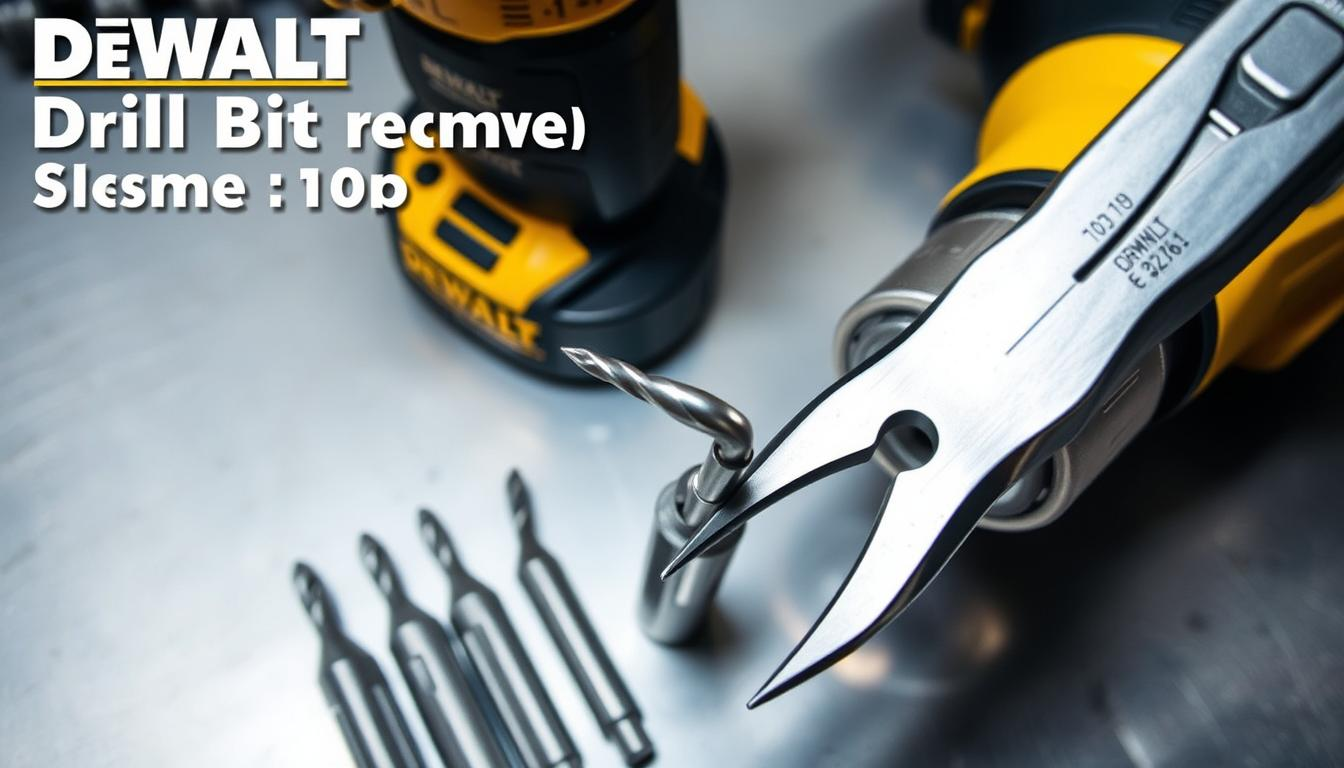
Removing a drill bit from a power tool is a task that requires attention to safety and the right techniques. Understanding the type of drill you’re using is crucial, as different models may have varying mechanisms for bit removal.
This guide will walk you through the process, ensuring you can change your drill bits efficiently and safely. By following these steps, you’ll be able to maintain your power tool and continue with your DIY projects without interruption.
Key Takeaways
- Understand the type of DeWalt drill you’re using.
- Follow the manufacturer’s guidelines for drill bit removal.
- Ensure safety precautions are taken during the process.
- Learn the step-by-step process for removing a drill bit.
- Maintain your power tool for future projects.
Importance of Proper Drill Bit Removal
The correct removal of drill bits is vital for maintaining the health of your DeWalt drill and preventing potential accidents. Proper drill bit removal is not just about convenience; it’s a crucial maintenance task that impacts both the longevity of your tool and your safety while working with it.
Why You Should Remove Drill Bits Correctly
Removing drill bits correctly is essential for several reasons. Firstly, it helps prevent damage to the drill’s chuck mechanism. Forcing a bit out can lead to wear and tear, potentially causing the chuck to malfunction over time. Secondly, correct removal techniques ensure that the drill bit itself is not damaged, saving you the cost of replacing bits unnecessarily.
Key benefits of correct drill bit removal include:
- Prevention of damage to the drill’s chuck
- Extension of the drill bit’s lifespan
- Enhanced safety during drill operation
Impacts on Tool Longevity
The longevity of your DeWalt drill is directly influenced by how well you maintain it, including how you remove drill bits. Incorrect removal can lead to premature wear on the chuck and other internal components. By following the correct procedures, you can significantly extend the life of your drill.
Some easy drill bit removal tips include ensuring the drill is turned off before attempting to remove the bit, using the correct tools for the job, and applying gentle, consistent pressure.
Safety Precautions to Consider
Safety should always be your top priority when working with power tools like DeWalt drills. Removing drill bits safely involves more than just the act of removal itself; it’s about creating a safe working environment. This includes wearing protective gear, ensuring the work area is clear of clutter, and being mindful of your body’s position relative to the drill.
When removing a drill bit from a DeWalt drill, always:
- Ensure the drill is unplugged or the battery is removed
- Use appropriate tools to avoid damaging the chuck or bit
- Follow the manufacturer’s instructions for bit removal
Understanding DeWalt Drill Types
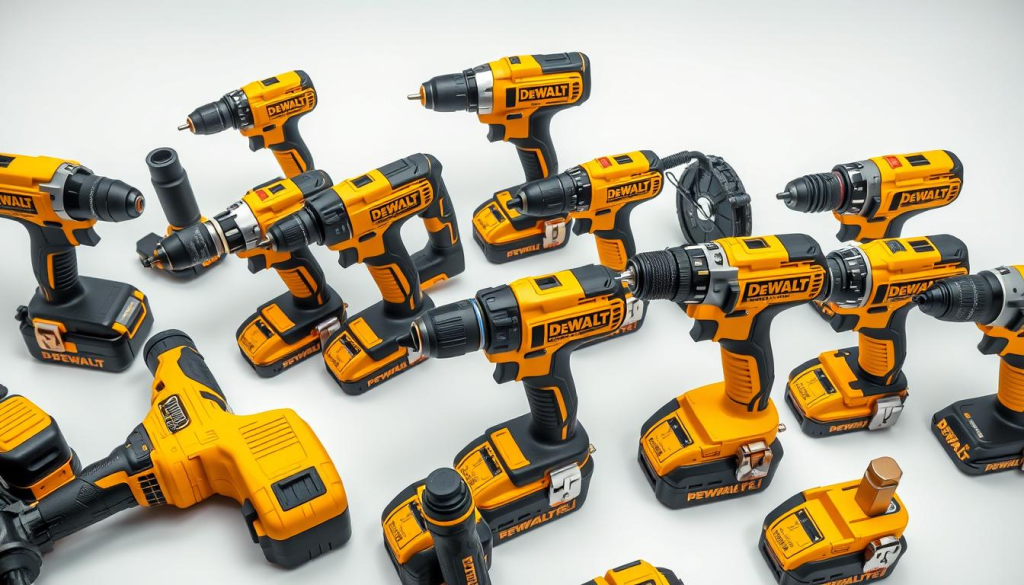
Understanding the type of DeWalt drill you are using is crucial for effective drill bit removal. DeWalt offers a variety of drills, including corded and cordless models, each with its unique features and chuck mechanisms.
Corded vs. Cordless Drills
DeWalt’s drill lineup includes both corded and cordless options. Corded drills provide consistent power and are ideal for heavy-duty applications, while cordless drills offer portability and convenience.
The choice between corded and cordless drills depends on your specific needs and preferences. Cordless drills, for instance, are perfect for jobs that require mobility.
Keyed vs. Keyless Chuck Mechanisms
DeWalt drills feature either keyed or keyless chuck mechanisms. Keyless chucks allow for quick and easy bit changes without the need for additional tools, whereas keyed chucks require a chuck key for tightening and loosening.
| Chuck Type | Characteristics | Advantages |
|---|---|---|
| Keyless Chuck | Easy bit change, no additional tools needed | Convenience, Speed |
| Keyed Chuck | Requires chuck key for bit change | Secure, Reliable |
Common Models and Their Features
DeWalt offers a range of popular drill models, each with its unique features. For example, the DeWalt DCD771C2 is a compact cordless drill known for its high performance and ergonomic design.
When choosing a DeWalt drill, consider factors such as battery life, power output, and chuck type to ensure it meets your needs.
Tools You’ll Need for Removal
To remove drill bits effectively, you’ll need to have the appropriate tools at your disposal. The type of tools required can vary depending on the chuck mechanism of your DeWalt drill.
Essential Tools for Drill Bit Removal
For drills equipped with a keyless chuck, the process is relatively straightforward, requiring no additional tools. You can simply twist the chuck counterclockwise to loosen and remove the bit.
On the other hand, drills with a keyed chuck necessitate the use of a chuck key. This tool is used to loosen the chuck by turning it counterclockwise, allowing for the safe removal of the drill bit.
- For keyless chucks: No additional tools needed
- For keyed chucks: Chuck key
Optional Tools That Make It Easier
While not essential, certain tools can make the process of removing drill bits easier and safer. These include:
- Gloves: To improve grip and protect your hands.
- Drill bit extractor: Useful for removing stuck or damaged bits.
- Cleaning cloth: To clean the chuck and bits before and after use.
Following best practices for removing drill bits, such as ensuring the drill is turned off and using the correct technique, can significantly reduce the risk of accidents.
When dealing with stuck drill bits, employing the right techniques and tools is crucial. For DeWalt drills, using a chuck key correctly and ensuring the drill is properly maintained can prevent many issues.
Step-by-Step Guide for Removing Drill Bits
Whether you’re working with a keyless or keyed chuck, understanding how to remove drill bits safely is crucial for maintaining your DeWalt drill’s performance. This guide will walk you through the process, ensuring that you can do it with confidence.
Removing Bits from Keyless Chucks
Keyless chucks are designed for convenience and ease of use. To remove a drill bit from a keyless chuck, follow these steps:
- Hold the chuck firmly and turn it counterclockwise to loosen the jaws.
- Once loose, remove the drill bit from the chuck.
- If the bit is stuck, gently wiggle it back and forth while pulling it out.
Removing Bits from Keyed Chucks
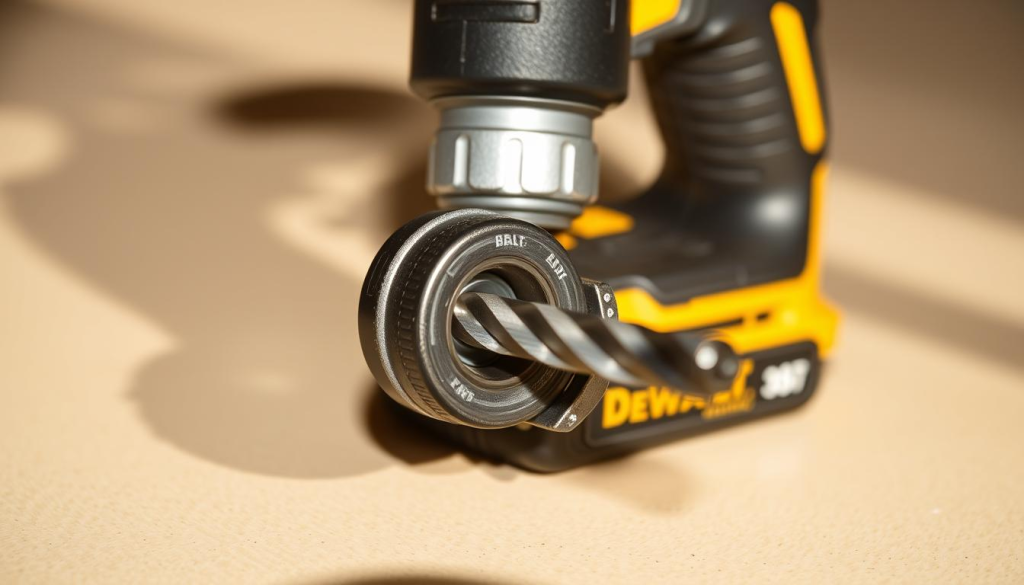
For DeWalt drills equipped with keyed chucks, the process involves using a chuck key. Here’s how to do it:
- Insert the chuck key into the hole on the chuck and turn it counterclockwise to loosen the chuck.
- Continue to loosen until the jaws release the drill bit.
- Remove the drill bit from the chuck.
Tip: Always ensure the chuck key is securely inserted to avoid damaging the chuck.
Dealing with Stuck Bits
Sometimes, drill bits can become stuck due to debris or wear. If you encounter a stuck bit, try the following:
- Clean the chuck and drill bit to remove any debris.
- Apply a small amount of lubricant to the chuck to help loosen the bit.
- If the bit remains stuck, consider using a bit removal tool or seeking professional assistance.
By following these steps, you can safely remove drill bits from your DeWalt drill, whether it has a keyless or keyed chuck. Regular maintenance and proper handling will also help prevent bits from getting stuck in the future.
Tips for Maintaining Your Drill Bits
Proper care and maintenance of your drill bits can significantly enhance their durability and effectiveness. Regular maintenance not only extends the life of your drill bits but also ensures they continue to perform at their best.
Cleaning Your Drill Bits
Cleaning your drill bits regularly is essential to remove debris and residue that can affect their performance. Use a soft brush or cloth to wipe away any material stuck to the bits. For more thorough cleaning, a mild soap solution can be used, but ensure the bits are dried thoroughly afterward to prevent rust.
Tip: Avoid using harsh chemicals or abrasive materials that can damage the drill bits.
Storing Your Bits Properly
Proper storage is crucial for maintaining your drill bits. Store them in a dry, organized manner, away from direct sunlight and moisture. Using a dedicated storage case or organizer can help keep your bits in good condition and prevent loss or damage.
- Keep drill bits in a protective case when not in use.
- Avoid storing drill bits in humid or extremely hot environments.
Regular Inspection Techniques
Regularly inspecting your drill bits can help identify any wear or damage early on. Check for signs of wear such as dullness, chipping, or rust. Inspecting your bits regularly allows you to replace them before they cause problems or affect the quality of your work.
Regular inspection is a simple yet effective way to maintain your drill bits and ensure they remain in good working condition.
Troubleshooting Common Issues
When using DeWalt drills, users often encounter issues that can hinder their work, such as stuck drill bits. Understanding how to troubleshoot these problems is crucial for maintaining productivity and ensuring the longevity of your tool.
Stuck Drill Bits and How to Fix Them
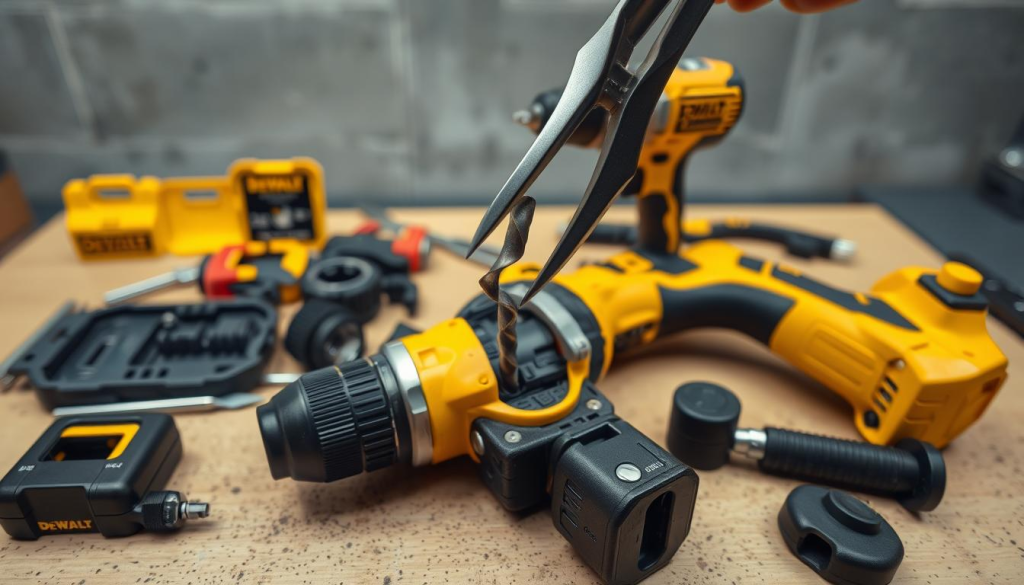
A stuck drill bit can be frustrating, but there are several methods to remove it safely. First, ensure the drill is turned off and unplugged. For keyless chucks, try holding the chuck in place while turning the drill in the reverse direction. If the bit remains stuck, you may need to use a chuck key or a rubber grip to provide extra leverage.
- Turn off and unplug the drill
- Use reverse direction for keyless chucks
- Apply a chuck key or rubber grip for extra leverage
Signs of Wear and Tear
Regular inspection of your drill bits can help identify signs of wear and tear early on. Look for excessive wear on the bit’s tip, discoloration, or a loose fit in the chuck. If you notice any of these signs, it may be time to replace the bit to maintain optimal performance.
- Inspect the bit’s tip for wear
- Check for discoloration or damage
- Verify the bit’s fit in the chuck
When to Seek Professional Help
If you’ve tried the above methods and the drill bit remains stuck, it may be time to seek professional assistance. Additionally, if you notice any unusual noises, vibrations, or performance issues with your DeWalt drill, consult a professional to avoid further damage or safety risks.
By following these troubleshooting tips, you can resolve common issues with your DeWalt drill and ensure it continues to operate effectively. Regular maintenance and inspections are key to prolonging the life of your tool and drill bits.
Replacing Drill Bits Safely
To ensure your drilling projects proceed without a hitch, it’s essential to know how to replace drill bits safely. This involves not just the mechanical act of swapping out bits, but also understanding the safety protocols and choosing the right replacement.
Choosing the Right Replacement Bit
Selecting the appropriate drill bit for your task is crucial for both safety and efficiency. Different materials and drilling operations require specific types of bits. For instance, drilling into metal requires a different bit than drilling into wood or concrete.
| Material | Recommended Drill Bit Type |
|---|---|
| Wood | Standard Twist Bit or Spade Bit |
| Metal | High-Speed Steel (HSS) Bit or Cobalt Bit |
| Concrete | Masonry Bit or Carbide-Tipped Bit |
Installing a New Bit with Confidence
Once you’ve chosen the right bit, installing it correctly is key to safe operation. For keyless chucks, hold the drill firmly and turn the chuck counterclockwise to open it. Insert the bit, ensuring it’s seated properly, then tighten the chuck by turning it clockwise. For keyed chucks, use the chuck key to loosen the jaws, insert the bit, and then tighten securely.
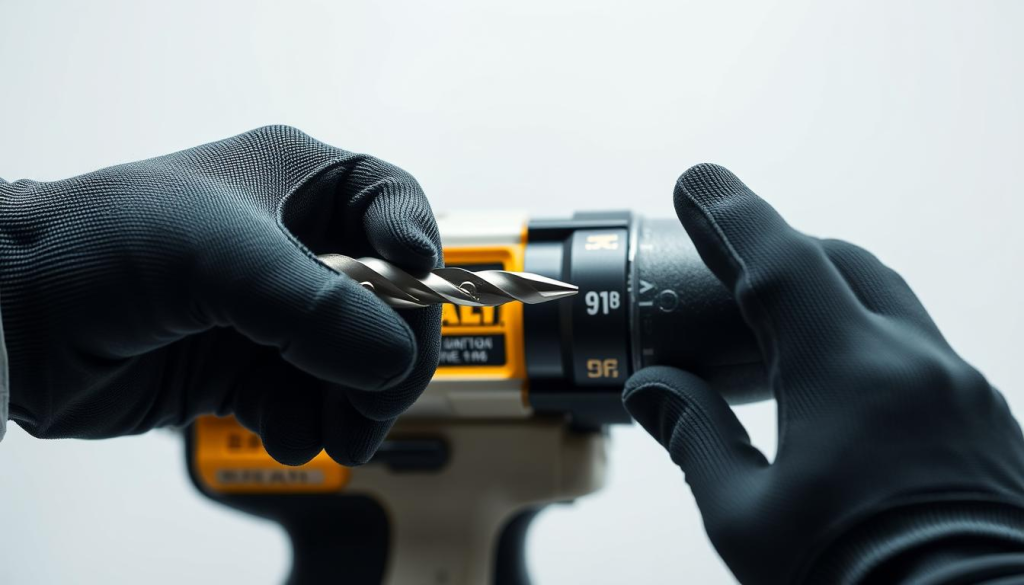
By following these steps and choosing the right bit for your task, you can ensure a safe and effective drilling experience. Whether you’re undertaking a DIY project or working on a professional job, the principles of safe drill bit replacement remain the same.
Additional Features of DeWalt Drills
Understanding the additional features of DeWalt drills can significantly improve drilling efficiency. DeWalt drills are designed with various advanced features that cater to the diverse needs of professionals and DIY enthusiasts alike.
Advanced Chuck Designs
DeWalt drills often feature advanced chuck designs that facilitate easy drill bit removal and installation. The keyless chuck mechanism, for instance, allows for quick bit changes without the need for additional tools.
Keyless Chuck Mechanism: Enables rapid bit changes, improving productivity. This design not only saves time but also enhances the overall drilling experience by making bit changes more convenient.
Tool-Free Bit Changes: Enhance user convenience and reduce downtime, making the drilling process more efficient.
Speed Settings and Adjustments
DeWalt drills come with variable speed settings that allow users to adjust the drilling speed according to the task at hand. This feature is particularly useful when working with different materials that require specific drilling speeds.
- Low speed for driving large screws or drilling through metal
- High speed for drilling through wood or other softer materials
Integrated Safety Features
Safety is a paramount concern when working with power tools. DeWalt drills incorporate several integrated safety features, including ergonomic design, secure grip, and protective casing, to minimize the risk of accidents.
Ergonomic Design: Reduces user fatigue and enhances control over the drill.
Secure Grip: Prevents the drill from slipping out of the user’s hands, thereby reducing the risk of injury.
Frequently Asked Questions (FAQs)
Many users have questions about the proper way to remove drill bits from their DeWalt tools. This section aims to address some of the most common queries and provide helpful tips for a smooth drill bit removal process.
Common Concerns About Bit Removal
One of the most frequent concerns is how to remove a drill bit without damaging the chuck or the bit itself. To avoid any damage, ensure the drill is turned off and unplugged before attempting to remove the bit. For keyless chucks, hold the chuck firmly and turn it counterclockwise. For keyed chucks, use the chuck key to loosen the jaws.
Tip: If the bit is stuck, do not force it. Instead, refer to our section on dealing with stuck bits for advice.
Advice on Bit Compatibility
Choosing the right drill bit for your DeWalt drill is crucial for optimal performance and safety. Ensure the bit is compatible with your drill’s chuck size and type. DeWalt drills typically use 1/2-inch or 1/3-inch chucks, but it’s essential to check your drill’s specifications.
| Drill Type | Compatible Chuck Size | Recommended Bit Type |
|---|---|---|
| Cordless Drill | 1/2-inch | Twist Bits, Spade Bits |
| Corded Drill | 1/3-inch, 1/2-inch | Twist Bits, Masonry Bits |
Tips for Beginners
For those new to using DeWalt drills, here are a few tips to get you started:
- Always read the user manual before using your drill.
- Practice removing and installing bits in a safe, controlled environment.
- Keep your workspace clean and well-lit to avoid accidents.
By following these guidelines and tips, you’ll be able to remove drill bits safely and efficiently, ensuring your DeWalt drill continues to perform at its best.
Benefits of Using DeWalt Tools
With a reputation for excellence, DeWalt tools offer a range of advantages that make them a preferred choice among professionals and DIYers. DeWalt’s commitment to quality and innovation has resulted in tools that are not only effective but also durable and user-friendly.
Long-Lasting Durability
DeWalt tools are built to withstand the rigors of heavy use, ensuring that they remain functional over an extended period. The durable construction of DeWalt tools means that they can handle demanding tasks without compromising on performance.
The use of high-quality materials and rigorous testing processes ensures that DeWalt tools can resist wear and tear, making them a valuable investment for professionals and serious DIYers.
User-Friendly Design
DeWalt tools are designed with the user in mind, featuring intuitive controls and ergonomic designs that reduce fatigue and improve handling. The user-friendly design of DeWalt tools makes them accessible to a wide range of users, from beginners to experienced professionals.
By focusing on usability, DeWalt has created tools that are not only powerful but also comfortable to use, allowing users to work efficiently for longer periods.
Warranty and Support Options
DeWalt offers comprehensive warranty and support options, providing users with peace of mind and protection for their investment. The company’s commitment to customer satisfaction is reflected in its robust warranty programs and dedicated customer support.
With DeWalt, users can rely on excellent after-sales support, ensuring that any issues are addressed promptly and efficiently, minimizing downtime and getting users back to work quickly.
Where to Find Replacement Bits
To keep your DeWalt drill functioning optimally, you need to source high-quality replacement bits. DeWalt drills are renowned for their durability and performance, and maintaining them with the right bits is essential.
Replacement bits for DeWalt drills can be found at various retailers, both online and in-store. It’s crucial to purchase genuine DeWalt parts to ensure compatibility and performance.
Online Retailers for DeWalt Products
Several online retailers specialize in DeWalt products, offering a wide range of replacement bits. Some of the most popular online retailers include:
- Amazon
- Home Depot
- Lowe’s
- DeWalt’s official website
These retailers often provide customer reviews and detailed product descriptions, making it easier to choose the right replacement bits.
Local Hardware Stores to Consider
In addition to online retailers, local hardware stores are a great place to find replacement bits for DeWalt drills. Some notable options include:
| Store Name | Location | Availability |
|---|---|---|
| Home Depot | Multiple Locations | High |
| Lowe’s | Multiple Locations | High |
| Ace Hardware | Multiple Locations | Moderate |
Visiting local hardware stores allows you to inspect the bits before purchasing and get advice from knowledgeable staff.
“Using genuine DeWalt replacement bits ensures that your drill operates at its best, providing precise and efficient drilling.”
Conclusion and Recap of Key Points
Removing drill bits from DeWalt drills is a straightforward process when done correctly. Following the step-by-step drill bit removal guide outlined in this article ensures safe and effective tool use.
Safe Practices and Tool Longevity
Proper drill bit removal is crucial for maintaining the longevity of your DeWalt drill. By understanding how to remove drill bits correctly, you can prevent damage to your tool and ensure it continues to perform optimally.
DeWalt Drill Reliability
DeWalt drills are known for their durability and user-friendly design. By following the guidelines provided, you can maximize the lifespan of your drill and enjoy reliable performance on your projects.
Best Practices for Drill Bit Removal
To get the most out of your DeWalt drill, remember to always follow safe practices when removing drill bits. This includes using the correct tools and techniques to avoid damaging the chuck or the bit.
By mastering the dewalt how to remove drill bit process, you can work more efficiently and safely, making the most of your DeWalt drill’s capabilities.