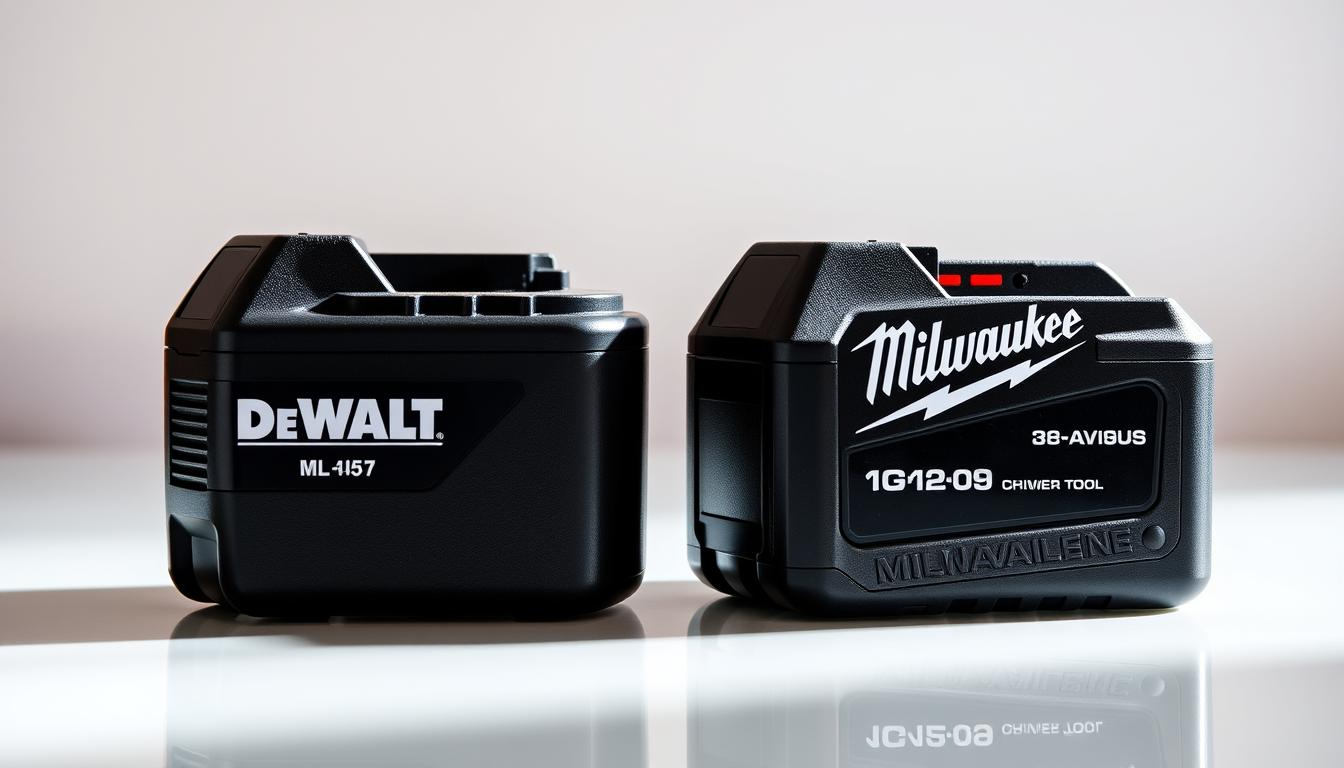
When it comes to power tools, battery compatibility is a crucial factor to consider. Two of the most popular brands in the industry are DeWalt and Milwaukee, both offering a wide range of cordless tools.
The question remains, can you use DeWalt batteries with Milwaukee tools, and vice versa? This article aims to explore the compatibility of these two brands’ batteries, helping you make informed decisions about your power tool investments.
Understanding the differences and similarities between DeWalt and Milwaukee batteries is essential for professionals and DIY enthusiasts alike.
Key Takeaways
- DeWalt and Milwaukee batteries have different designs and voltage systems.
- Compatibility varies between specific tool models.
- Using the wrong battery can lead to safety issues and tool damage.
- Adapters and converters are available but may void warranties.
- Checking the manufacturer’s guidelines is crucial for compatibility.
Overview of DeWalt and Milwaukee Brands
In the realm of power tools, DeWalt and Milwaukee stand out as leading manufacturers, each with its own strengths and specializations. Both brands have a rich history and have established a strong reputation in the industry.
Brand History and Reputation
DeWalt, a brand owned by Stanley Black & Decker, has been a significant player in the power tool market since its acquisition in 1992. Known for its high-performance tools and innovative battery technologies, DeWalt has become a favorite among professionals and DIYers alike. Milwaukee, on the other hand, is a brand under Techtronic Industries and has been around since 1924. Milwaukee is renowned for its heavy-duty power tools and has a strong following among professionals who value its durability and performance.
Product Range and Specializations
DeWalt offers a wide range of power tools and accessories, including drills, saws, and sanders, with a focus on dewalt battery compatibility across its product line. This ensures that users can easily interchange batteries among their tools, enhancing convenience and reducing costs. Milwaukee also boasts an extensive product range, with a specialization in milwaukee battery cross compatibility, allowing users to use their batteries across various Milwaukee tools. This compatibility is a significant factor for users who already have a collection of tools from the same brand.
Both brands have their unique strengths: DeWalt is often praised for its innovative battery technology and user-friendly designs, while Milwaukee is admired for its robust build quality and performance in demanding applications. Understanding these specializations is crucial when considering dewalt battery compatibility and milwaukee battery cross compatibility, as it directly impacts the user’s ability to interchange batteries and expand their tool collection.
Understanding Battery Types and Compatibility
Power tool batteries come in various types, and their compatibility is determined by several key factors. Understanding these factors is crucial for ensuring that your power tools operate efficiently and safely.
The type of battery used in a power tool affects its performance, runtime, and overall usability. Different brands and models may use different battery technologies, voltages, and amp-hour ratings.
Common Battery Types in Power Tools
Most power tools on the market today use one of three main battery types: Nickel-Cadmium (Ni-Cd), Nickel-Metal Hydride (NiMH), and Lithium-Ion (Li-ion). Lithium-Ion batteries are the most common due to their high energy density and long cycle life.
- Nickel-Cadmium (Ni-Cd) batteries are less common due to toxicity concerns and lower energy density.
- Nickel-Metal Hydride (NiMH) batteries offer a more environmentally friendly option but have lower discharge rates.
- Lithium-Ion (Li-ion) batteries are preferred for their high discharge rates, long lifespan, and relatively low self-discharge.
Voltage and Amp-Hour Ratings
Voltage and amp-hour (Ah) ratings are critical in determining the compatibility and performance of power tool batteries. Voltage indicates the power output, while Amp-Hour rating signifies the battery’s capacity.
| Voltage | Amp-Hour Rating | Typical Use |
|---|---|---|
| 12V | 2-4 Ah | Low-power tools, DIY projects |
| 18V/20V | 4-6 Ah | General-purpose power tools |
| 36V/40V | 6-8 Ah | High-demand power tools, heavy-duty applications |
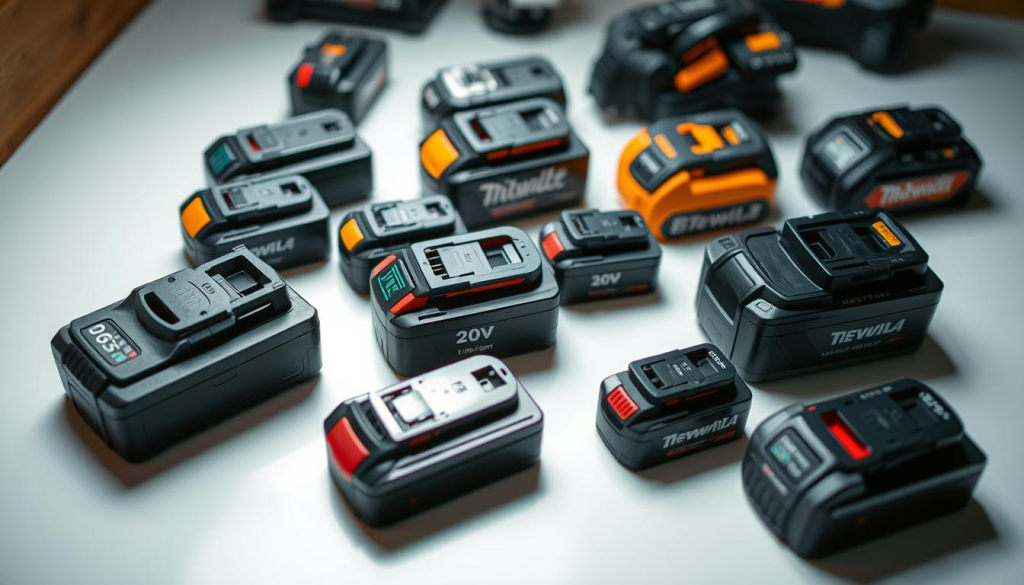
Understanding these specifications is essential for selecting the right battery for your power tools, ensuring compatibility, and optimizing performance.
Comparing Battery Specifications
Delving into the specifics of DeWalt and Milwaukee batteries reveals key differences that can impact their performance and compatibility. When considering a cordless tool battery compatibility, it’s crucial to examine the battery specifications closely.
Voltage Differences between DeWalt and Milwaukee Batteries
One of the primary factors to consider when comparing DeWalt and Milwaukee batteries is their voltage. Both brands offer a range of voltage options, but they are not always compatible. DeWalt batteries are available in 12V, 20V, and 60V configurations, while Milwaukee offers 12V, 18V, and 28V options. The voltage difference is significant because it affects the power output and compatibility with tools.
For instance, a DeWalt 20V battery is not compatible with a Milwaukee 18V tool due to differences in voltage and battery connector design. This incompatibility can lead to issues if you’re trying to swap batteries between brands.
| Brand | Voltage Options |
|---|---|
| DeWalt | 12V, 20V, 60V |
| Milwaukee | 12V, 18V, 28V |
Amp-Hour Ratings and Their Impact
Amp-hour (Ah) ratings are another critical specification to consider. The Ah rating indicates the battery’s capacity and runtime. A higher Ah rating means the battery will last longer on a single charge. Both DeWalt and Milwaukee offer batteries with various Ah ratings, but the impact on performance can vary.
For example, a DeWalt 20V 5Ah battery will generally provide longer runtime compared to a 2Ah battery of the same voltage. Similarly, Milwaukee’s 18V 6Ah battery outperforms its 3Ah counterpart in terms of runtime. Understanding these differences is essential for choosing the right battery for your needs, especially if you’re considering a dewalt milwaukee battery swap.
When comparing battery specifications, it’s clear that both DeWalt and Milwaukee offer high-quality options with varying characteristics. By understanding the voltage differences and amp-hour ratings, users can make informed decisions about battery compatibility and performance.
Key Features of DeWalt Batteries
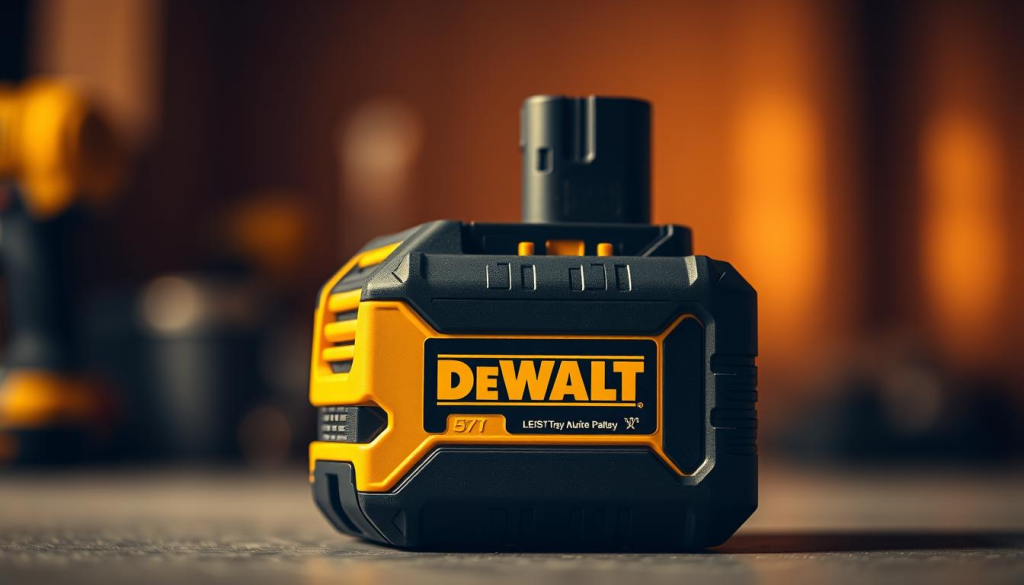
Understanding DeWalt battery technology is crucial for users looking to maximize their tool’s potential. DeWalt batteries are designed with advanced technology that enhances their performance and longevity.
Battery Technology in DeWalt Products
DeWalt batteries utilize Lithium-Ion (Li-ion) technology, known for its high energy density and long cycle life. This technology allows DeWalt batteries to maintain their charge longer and provide consistent power output. As noted by a leading industry expert, “Lithium-Ion batteries have revolutionized the power tool industry with their superior performance and durability.”
“Lithium-Ion batteries have revolutionized the power tool industry with their superior performance and durability.”
The Li-ion batteries in DeWalt products are designed to be compact and lightweight, making them easier to handle and reducing user fatigue. Moreover, DeWalt’s battery technology includes features like overcharge protection and thermal monitoring, which enhance safety and prolong battery life.
Advantages of DeWalt Batteries
DeWalt batteries offer several advantages that make them a preferred choice among professionals and DIYers alike. Some of the key benefits include:
- High capacity and long runtime, allowing for extended use without recharging.
- Fast charging capabilities, minimizing downtime and increasing productivity.
- A robust design that withstands harsh working conditions and reduces the need for frequent replacements.
As emphasized by DeWalt, “Our batteries are engineered to provide consistent power and reliability, ensuring that your tools perform at their best.” The compatibility of DeWalt batteries with a wide range of DeWalt tools also adds to their convenience, making it easier for users to share batteries across their toolset.
In summary, DeWalt batteries are engineered with cutting-edge technology and designed to offer superior performance, safety, and convenience. Their advanced features and robust design make them an ideal choice for both professionals and DIY enthusiasts.
Key Features of Milwaukee Batteries
Milwaukee batteries are renowned for their durability and performance, making them a preferred choice among professionals. The backbone of Milwaukee’s power tools, their batteries are engineered for optimal performance and longevity. This section delves into the technology behind Milwaukee batteries and their advantages.
Battery Technology
Milwaukee batteries utilize advanced Lithium-ion technology, providing users with long-lasting power and reduced maintenance. This technology allows for a higher energy density, resulting in more work done on a single charge.
Their batteries also feature advanced battery management systems, ensuring safe operation and protection against overcharge and over-discharge. This not only prolongs the battery’s lifespan but also safeguards the tool and user.
Advantages
Milwaukee batteries offer several key advantages, including:
- High Capacity: Allowing for extended use without the need for recharging.
- Fast Charging: Minimizing downtime and increasing productivity.
- Durability: Built to withstand the rigors of heavy use and harsh environments.
- Compatibility: Many Milwaukee batteries are cross-compatible with other Milwaukee tools, offering users flexibility.
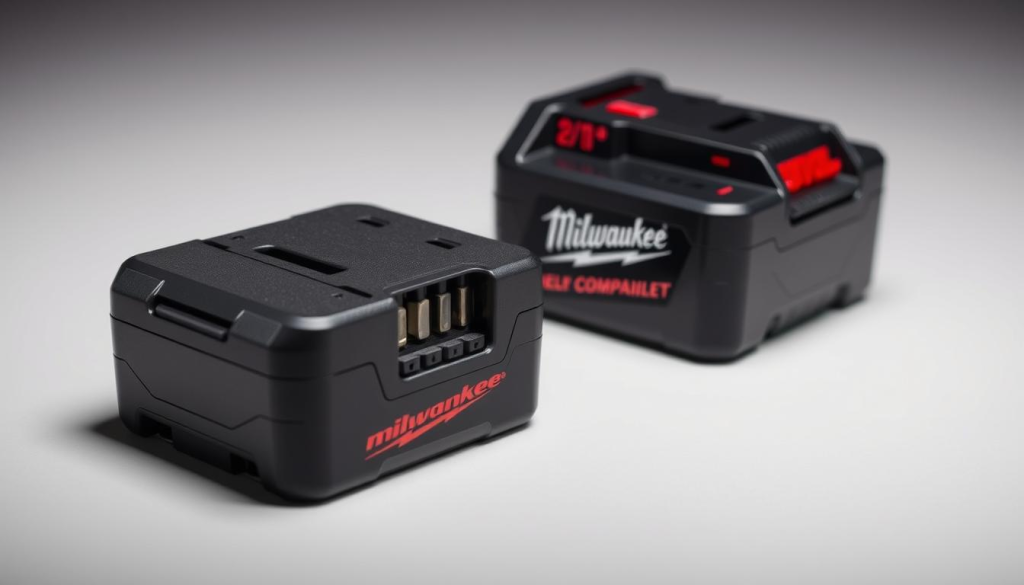
In conclusion, Milwaukee batteries are designed with the user in mind, offering a blend of performance, durability, and convenience. Their advanced technology and numerous advantages make them a top choice for professionals and DIYers alike.
Physical Differences in Battery Design
Understanding the physical differences between DeWalt and Milwaukee batteries is essential for assessing their interchangeability. The design variations between these two brands are not just about aesthetics; they significantly impact compatibility and functionality.
Shape and Size Comparisons
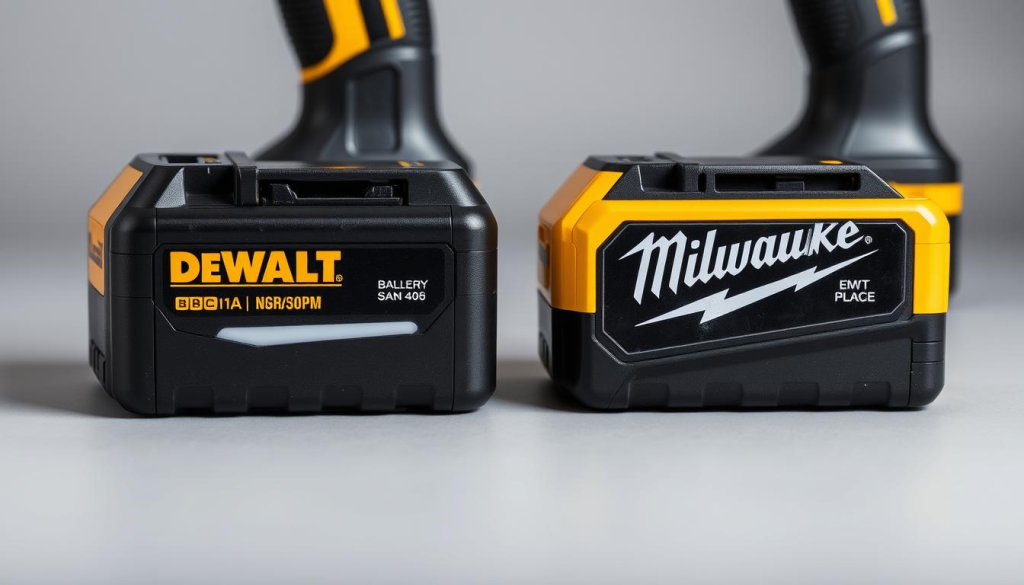
One of the primary physical differences lies in the shape and size of the batteries. DeWalt batteries tend to have a more rectangular shape, while Milwaukee batteries often have a slightly different contour to fit their specific tool designs. The size can also vary, affecting how they fit into tool battery compartments.
Connector Types and Compatibility
The connector types used by DeWalt and Milwaukee are another critical aspect. DeWalt batteries typically use a specific connector design that is not compatible with Milwaukee tools, and vice versa. This incompatibility is due to differences in the electrical contacts and the physical shape of the connectors.
The table below summarizes the key physical differences between DeWalt and Milwaukee batteries:
| Feature | DeWalt Batteries | Milwaukee Batteries |
|---|---|---|
| Shape | Generally rectangular | Varied, tool-specific |
| Size | Standard sizes with some variation | Specific to tool design |
| Connector Type | DeWalt-specific | Milwaukee-specific |
In conclusion, the physical differences in battery design between DeWalt and Milwaukee are significant and impact their compatibility. Understanding these differences is crucial for users looking to switch between brands or use batteries interchangeably.
Interchangeability: What You Need to Know
Many users wonder if they can use DeWalt batteries with their Milwaukee tools, or if Milwaukee batteries can be used with DeWalt equipment. The compatibility between different power tool brands is a critical concern, especially for professionals and serious DIYers who invest in multiple brands.
The primary factor determining battery compatibility is the design and technology used by each brand. DeWalt and Milwaukee, both renowned for their high-quality power tools, have distinct battery systems.
Can DeWalt Batteries Fit Milwaukee Tools?
Generally, DeWalt batteries are not compatible with Milwaukee tools, and vice versa. The physical design, including the shape and connector type, differs between the two brands.
For instance, DeWalt batteries use a specific connector that is not compatible with Milwaukee tools. Similarly, Milwaukee batteries have a unique design that doesn’t fit DeWalt equipment.
Risks of Using Non-Compatible Batteries
Using a non-compatible battery with a power tool can pose significant risks, including damage to the tool, the battery, or both. It can also lead to safety hazards such as overheating, fire, or explosion.
Risks Associated with Non-Compatible Batteries:
- Damage to the tool or battery
- Safety hazards like overheating or fire
- Potential for electrical shock
- Voiding the manufacturer’s warranty
To illustrate the differences and compatibility issues between DeWalt and Milwaukee batteries, consider the following comparison:
| Feature | DeWalt Batteries | Milwaukee Batteries |
|---|---|---|
| Connector Type | DeWalt proprietary | Milwaukee proprietary |
| Voltage Range | 18V, 20V | 12V, 18V, 28V |
| Amp-Hour Ratings | Up to 9Ah | Up to 12Ah |
Understanding these differences is crucial for making informed decisions about your power tool investments and ensuring safety and efficiency in your work or projects.
User Experiences and Testimonials
User experiences with DeWalt and Milwaukee batteries offer valuable insights into the practicality of interchanging these power tool batteries. Many users have shared their stories, highlighting the challenges and benefits they’ve encountered.
Common Feedback from DIYers
DIY enthusiasts often report mixed results when attempting to interchange DeWalt and Milwaukee batteries. Some have successfully used adapters, while others have faced compatibility issues.
For instance, one DIY user noted, “I managed to use a DeWalt battery on my Milwaukee tool with an adapter, but it didn’t last as long as the original Milwaukee battery.” This sentiment is echoed by many, who emphasize the importance of considering battery lifespan and performance.
Professional User Challenges
Professional users, on the other hand, tend to be more cautious when it comes to interchanging batteries. They often prioritize reliability and performance, sticking to brand-specific batteries to avoid potential risks.
A professional contractor shared, “I’ve tried using non-brand batteries on my tools, but the results were inconsistent. Now, I stick with Milwaukee batteries for my Milwaukee tools to ensure optimal performance.”
The table below summarizes common user feedback regarding DeWalt and Milwaukee battery interchangeability:
| User Group | Common Issues | Preferred Solution |
|---|---|---|
| DIYers | Compatibility issues, reduced battery life | Using adapters, mixing brands |
| Professionals | Reliability concerns, performance variability | Sticking to brand-specific batteries |
In conclusion, while some users have found ways to interchange DeWalt and Milwaukee batteries, others have encountered significant challenges. The decision to interchange batteries should be based on careful consideration of the potential risks and benefits.
Aftermarket Solutions for Battery Compatibility
For users seeking flexibility, aftermarket solutions offer a potential workaround for battery compatibility issues between DeWalt and Milwaukee tools. These solutions are particularly appealing to professionals and DIYers who have invested in multiple tool brands and seek to interchange batteries for convenience and cost-effectiveness.
Adaptors and Modifications
Aftermarket adaptors and modifications are designed to bridge the compatibility gap between different battery systems. Adaptors can be used to fit a battery from one brand into a tool from another brand, effectively making it possible to interchange batteries. However, these adaptors and modifications may require technical expertise to install and may not always provide a seamless user experience.
Some aftermarket solutions involve modifying the battery or the tool itself to achieve compatibility. This can include rewiring or adjusting the battery pack to fit and function with a different brand’s tool. While these modifications can be effective, they often require a good understanding of electronics and may void warranties.
Pros and Cons of Aftermarket Solutions
The primary advantage of aftermarket solutions is the flexibility they offer. Users can potentially use their existing battery collection across multiple tool brands, reducing the need for redundant battery purchases and making their tool ecosystem more versatile.
- Cost savings: By enabling the use of existing batteries across different tools, users can save money that would be spent on brand-specific batteries.
- Increased versatility: Aftermarket solutions can make a user’s tool collection more adaptable to different tasks and projects.
- Potential risks: There’s a risk of damaging tools or batteries if the aftermarket solutions are not compatible or are poorly made.
- Warranty implications: Using aftermarket adaptors or modifications can void the manufacturer’s warranty, leaving users without support in case of product failure.
In conclusion, aftermarket solutions for battery compatibility offer a mixed bag of benefits and drawbacks. While they can provide greater flexibility and cost savings, they also come with potential risks and warranty implications that users must carefully consider.
Recommendations for Tool Owners
Ensuring the longevity of your cordless tools requires a deep understanding of battery maintenance and compatibility. Tool owners must navigate the complexities of battery types, voltage ratings, and brand-specific requirements to optimize performance.
When to Stick with Brand-Specific Batteries
Using brand-specific batteries is often recommended because they are designed to work seamlessly with the tool’s technology. DeWalt and Milwaukee batteries, for example, have unique connector types and voltage ratings that are optimized for their respective tools.
- Optimal Performance: Brand-specific batteries ensure that the tool operates at its best, providing consistent power and runtime.
- Safety: Using the wrong battery can lead to safety issues, such as overheating or tool malfunction.
- Warranty: Many manufacturers require the use of brand-specific batteries to honor the tool’s warranty.
Best Practices for Battery Maintenance
Proper maintenance is key to extending the life of your cordless tool batteries. Here are some best practices to follow:
- Store Batteries Properly: Keep batteries in a cool, dry place, away from metal objects that could cause a short circuit.
- Avoid Deep Discharge: Try to charge batteries before they are completely drained to prolong their lifespan.
- Clean Battery Contacts: Regularly clean the contacts on both the battery and the tool to ensure good connectivity.
By following these guidelines, tool owners can maximize the performance and lifespan of their cordless tool batteries, ensuring they get the most out of their investment.
Conclusion: Choosing the Right Battery for Your Needs
When deciding between DeWalt and Milwaukee batteries, understanding their compatibility and differences is crucial. The debate around cross brand battery compatibility and dewalt milwaukee battery swap highlights the need for clarity on using batteries across different tool brands.
Battery Compatibility Considerations
While both DeWalt and Milwaukee offer high-quality batteries, their designs and technologies are brand-specific. Using a DeWalt battery with a Milwaukee tool or vice versa is not recommended due to potential compatibility issues and safety risks.
Guiding Your Decision
To make an informed decision, consider your specific tool needs and the battery requirements. If you’re invested in one brand’s ecosystem, sticking with brand-specific batteries is generally the safest choice. However, exploring aftermarket solutions can provide flexibility, albeit with careful consideration of their pros and cons.
Ultimately, the right battery choice depends on your tool usage, preferences, and maintenance habits. By weighing these factors and understanding the implications of cross brand battery compatibility, you can optimize your tool performance and longevity.