When it comes to professional-grade power tools, DEWALT and Milwaukee are two of the most recognized brands in the industry.
While both brands offer high-quality products, DEWALT is generally considered to be more affordable than Milwaukee. But what drives this price difference?
The pricing disparity between DEWALT and Milwaukee power tools is influenced by various factors, including production costs, market strategies, and product features.
Key Takeaways
- DEWALT is generally more affordable than Milwaukee.
- Pricing differences are influenced by production costs and market strategies.
- Both brands offer high-quality, professional-grade power tools.
- Product features and brand reputation play a role in pricing.
- Understanding the factors behind the price difference can help consumers make informed decisions.
Overview of DEWALT and Milwaukee Brands
Understanding the histories and market positions of DEWALT and Milwaukee is crucial for analyzing their pricing strategies. Both brands have a rich history that has contributed to their current market standing.
Brief History of DEWALT
DEWALT was founded in 1924 by Raymond DeWalt, marking the beginning of a legacy in the power tool industry. The company was known for its innovative radial arm saw, which became a staple in many workshops. In 1960, DEWALT was acquired by Black+Decker, further expanding its reach and product line. Today, DEWALT is a leading brand in the power tool market, recognized for its high-quality and durable products.
Brief History of Milwaukee
Milwaukee, also founded in 1924, has a history intertwined with innovation, particularly in the development of heavy-duty power tools. Known for its high-performance tools, Milwaukee has established a loyal customer base across various industries. The brand has continued to evolve, introducing new technologies and products that meet the demands of professionals and DIYers alike.
Market Position
Both DEWALT and Milwaukee hold significant positions in the power tool market. DEWALT is often praised for its wide range of products and affordability, while Milwaukee is recognized for its premium quality and performance. The market positioning of these brands is influenced by their histories, product offerings, and marketing strategies.
The competitive landscape between DEWALT and Milwaukee is shaped by factors such as product quality, pricing, and brand loyalty. Understanding these elements is essential for consumers making informed decisions about their power tool needs.
Price Comparison: DEWALT vs Milwaukee
The price difference between DEWALT and Milwaukee tools is a significant consideration for professionals and DIY enthusiasts alike. When evaluating these two prominent brands, understanding their pricing strategies can help in making an informed decision.
Average Pricing for DEWALT Tools
DEWALT tools are generally known for their competitive pricing. On average, DEWALT cordless drills and impact drivers are priced lower than their Milwaukee counterparts. For instance, a DEWALT 20V MAX cordless drill kit can be found in the range of $100-$200, making it an attractive option for those on a budget.
Key DEWALT Tool Pricing Highlights:
- Cordless drills: $100-$200
- Impact drivers: $150-$300
- Circular saws: $100-$250
Average Pricing for Milwaukee Tools
Milwaukee tools, on the other hand, are often associated with premium pricing. Their cordless tools, in particular, tend to be more expensive than DEWALT’s offerings. A Milwaukee M18 cordless drill kit, for example, can range from $150-$350.
Notable Milwaukee Tool Pricing:
- Cordless drills: $150-$350
- Impact drivers: $200-$400
- Circular saws: $150-$300
The price discrepancy between DEWALT and Milwaukee tools can be attributed to several factors, including differences in manufacturing costs, material quality, and brand positioning. While DEWALT tools are generally more affordable, Milwaukee tools are often perceived as offering higher durability and performance, justifying their premium pricing.
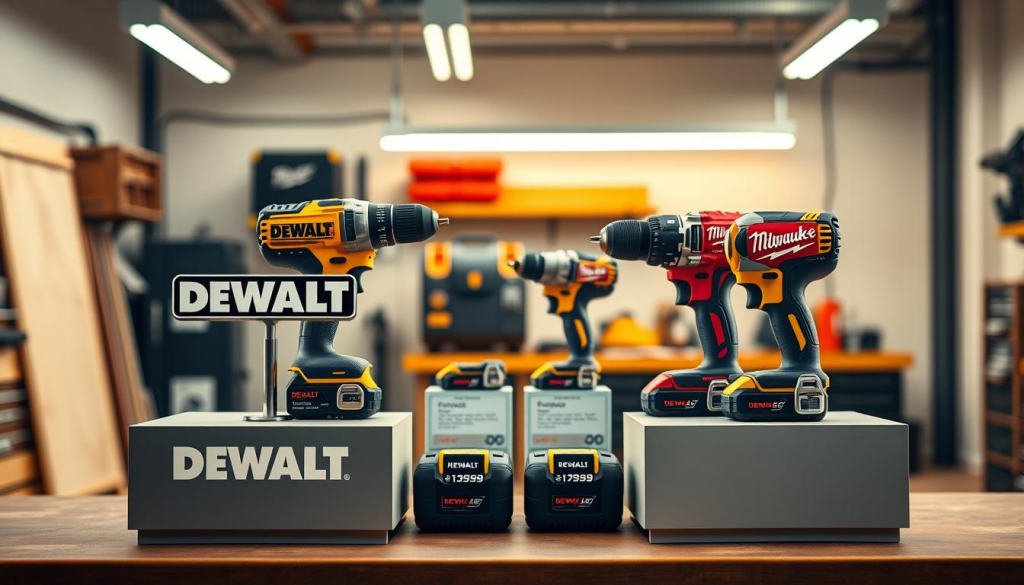
Ultimately, the choice between DEWALT and Milwaukee tools depends on the user’s specific needs and budget. By comparing the average prices of their tools, consumers can make a more informed decision that aligns with their project requirements and financial constraints.
Quality and Performance Analysis
DEWALT and Milwaukee are renowned for their high-quality power tools, but a closer examination reveals differences in their quality and performance. This analysis is crucial in understanding why DEWALT tools are generally less expensive than Milwaukee tools.
Material and Build Quality
The material and build quality of power tools significantly impact their overall performance and lifespan. DEWALT tools are known for their robust construction, using high-grade materials that ensure durability. For instance, DEWALT’s use of high-strength plastics and metals in their tools contributes to their ruggedness.
Milwaukee, on the other hand, is often praised for its premium build quality, with tools that are designed to withstand heavy-duty applications. Milwaukee’s tools frequently feature advanced materials and ergonomic designs that enhance user experience and tool longevity.
Durability and Longevity
Durability and longevity are critical factors in assessing the value of power tools. DEWALT tools are designed to be durable, with many users reporting long-term satisfaction. However, some users have noted that DEWALT tools may not be as long-lasting as Milwaukee tools under extreme conditions.
Milwaukee tools are often considered more robust and long-lasting, with a reputation for withstanding harsh environments and heavy use. As one user review states,
“Milwaukee tools have been with me through thick and thin; they’re truly built to last.”
User Reviews and Feedback
User reviews and feedback provide valuable insights into the real-world performance of power tools. DEWALT users generally report high satisfaction with the performance and durability of their tools, though some have noted issues with certain models.
Milwaukee users also report high satisfaction, often praising the brand’s innovative features and tool longevity. A common theme in Milwaukee user reviews is the brand’s ability to deliver consistent performance over time.
In conclusion, while both DEWALT and Milwaukee offer high-quality power tools, their differences in material and build quality, durability, and user feedback contribute to their distinct pricing strategies. Understanding these differences is key to making an informed decision when choosing between these two brands.
Product Range and Versatility
Understanding the product range of DEWALT and Milwaukee is essential to grasping their pricing differences. Both brands offer a diverse array of tools that cater to various professional and DIY needs.
Categories of Tools Offered
DEWALT and Milwaukee provide an extensive selection of power tools, including cordless drills, saws, sanders, and more. DEWALT’s product line is known for its ruggedness and reliability, appealing to professionals who require durable tools. Milwaukee, on the other hand, is recognized for its extensive range of 12V tools, which are ideal for users needing compact, high-performance equipment.
The categories of tools offered by both brands can be broken down into several key areas:
- Cordless power tools
- Drilling and driving tools
- Saws and cutting tools
- Sanding and grinding tools
Specialty Tools and Innovations
Both DEWALT and Milwaukee invest heavily in research and development, leading to innovative tools that address specific user needs. For instance, Milwaukee’s cordless technology advancements have set new standards in the industry, providing users with more power and longer battery life.
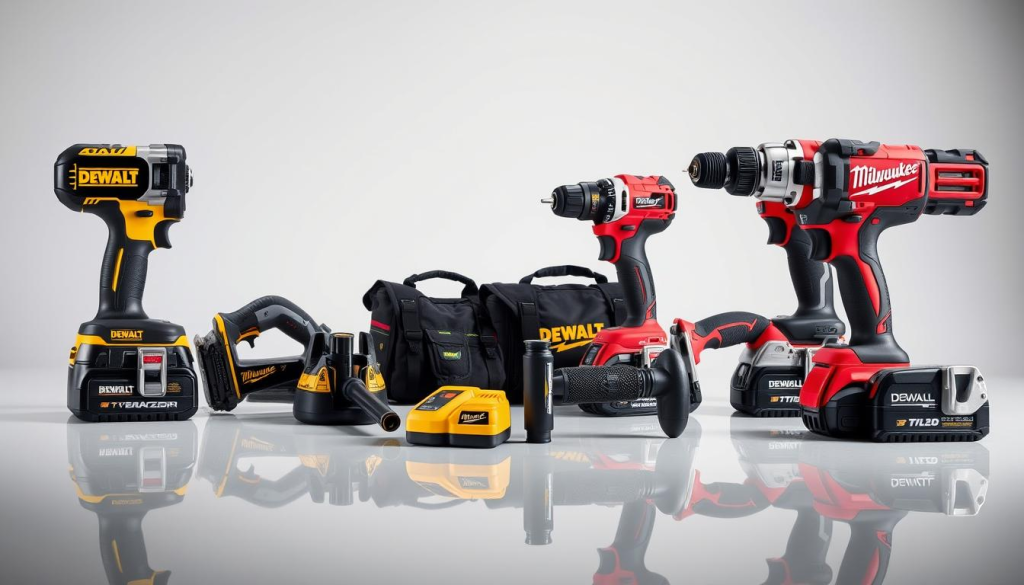
Innovations in battery technology, brushless motors, and tool design have enabled both brands to offer high-quality products that meet the demands of professionals. The competition between DEWALT and Milwaukee drives them to continually improve their products, benefiting consumers with better performance and value.
When comparing DEWALT and Milwaukee prices, it’s crucial to consider the specific tools and categories that meet your needs. The price difference between the two brands can often be attributed to the unique features and innovations they offer.
Target Demographics
DEWALT and Milwaukee cater to different market segments, influencing their pricing strategies. Understanding these demographics is key to grasping why DEWALT is often priced lower than Milwaukee.
DEWALT’s Target Audience
DEWALT primarily targets DIY enthusiasts and homeowners who require reliable tools for personal projects. This demographic is sensitive to pricing, driving DEWALT to maintain competitive pricing without compromising on quality.
- DIY enthusiasts
- Homeowners
- Individual contractors with smaller projects
Milwaukee’s Target Audience
In contrast, Milwaukee focuses on professional contractors and heavy-duty users who demand high-performance tools. This demographic is willing to pay a premium for advanced features, durability, and reliability.
- Professional contractors
- Heavy-duty users
- Large construction companies
The difference in target demographics significantly influences the pricing and features of DEWALT and Milwaukee tools. While DEWALT aims to provide value for money to a broader audience, Milwaukee concentrates on delivering premium products to professionals who require top-tier performance.

By understanding the distinct target demographics of DEWALT and Milwaukee, it becomes clear why DEWALT is generally cheaper. The focus on different market segments leads to variations in pricing strategies, product features, and overall brand positioning.
Manufacturing and Production Costs
Manufacturing and production costs play a significant role in the price discrepancy between DEWALT and Milwaukee tools. The cost at which these brands manufacture their products directly influences their pricing strategies.
US vs. Overseas Manufacturing
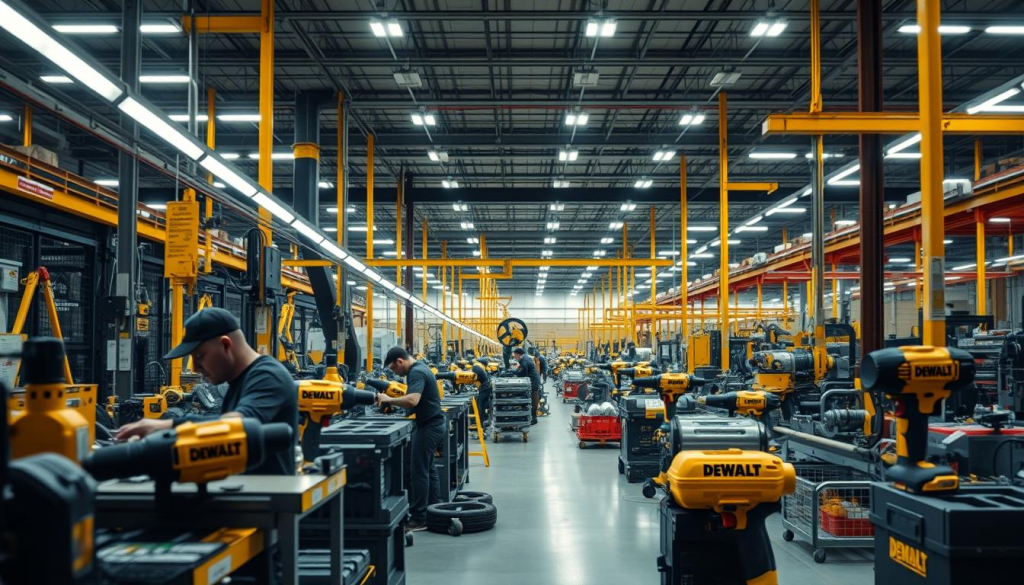
DEWALT has a significant manufacturing presence in the US, which contributes to its brand identity and product pricing. In contrast, Milwaukee has manufacturing facilities both in the US and overseas. This difference in manufacturing locations can lead to variations in production costs due to differences in labor laws, material costs, and operational expenses.
Labor and Material Costs
Labor and material costs are crucial factors that influence the production costs of power tools. DEWALT’s reliance on US manufacturing means it adheres to US labor laws and standards, which can increase labor costs. On the other hand, Milwaukee’s overseas manufacturing allows it to take advantage of lower labor costs in some regions.
| Brand | Manufacturing Location | Labor Costs | Material Costs |
|---|---|---|---|
| DEWALT | Primarily US | Higher | Variable |
| Milwaukee | US and Overseas | Variable | Variable |
The table above summarizes the key differences in manufacturing costs between DEWALT and Milwaukee. While DEWALT has higher labor costs due to its US-based manufacturing, Milwaukee’s mixed manufacturing locations result in variable labor costs. Material costs for both brands can vary based on their supply chains and material sourcing strategies.
Understanding these factors is essential for consumers looking to make informed decisions based on their budget and preferences. The difference in manufacturing and production costs between DEWALT and Milwaukee contributes significantly to their pricing strategies and ultimately affects their market positioning.
Marketing Strategies
DEWALT and Milwaukee, two leading brands in the power tool industry, utilize distinct marketing strategies that impact their pricing. Their approaches to brand positioning, target marketing, and advertising significantly influence how their products are perceived by consumers and ultimately affect their pricing strategies.
DEWALT’s Brand Positioning
DEWALT is generally positioned as a reliable and affordable brand, particularly appealing to DIY enthusiasts and professionals looking for value without compromising on quality. DEWALT’s marketing strategy focuses on durability and performance, often highlighting the value proposition of their tools. This positioning helps DEWALT maintain a competitive edge in the market, contributing to its generally lower pricing compared to Milwaukee.
Milwaukee’s Brand Positioning
Milwaukee, on the other hand, is marketed as a premium brand, targeting professional users who require high-performance tools. Milwaukee’s marketing emphasizes innovation, durability, and the high quality of their products, justifying a higher price point. The brand’s focus on professional users and its reputation for producing high-end tools contribute to its premium pricing strategy.
The differing marketing strategies of DEWALT and Milwaukee directly impact their pricing. DEWALT’s focus on value and affordability results in lower prices, making it an accessible option for a broader audience. In contrast, Milwaukee’s emphasis on premium quality and performance justifies higher prices, targeting a more specialized market segment.
In conclusion, the marketing strategies employed by DEWALT and Milwaukee play a crucial role in their brand positioning and pricing. Understanding these strategies provides insight into why DEWALT tools are generally less expensive than Milwaukee’s.
Warranty and Customer Service
When considering power tool brands like DEWALT and Milwaukee, understanding their warranty and customer service policies is crucial for making an informed purchase decision. Both brands are known for their commitment to quality and customer satisfaction, but there are key differences in their approaches to warranty and customer support.
Warranty Policies for DEWALT
DEWALT offers a 3-year limited warranty on most of its power tools, covering defects in material and workmanship. This warranty is comprehensive, providing repair or replacement of defective parts free of charge, including labor costs in some cases. DEWALT’s warranty policy contributes to its competitive pricing strategy by balancing the cost of warranty coverage with the overall product price.
Warranty Policies for Milwaukee
Milwaukee, on the other hand, provides a 5-year warranty on its power tools, which is significantly longer than DEWALT’s offering. This extended warranty period is a key selling point for Milwaukee, as it provides customers with added peace of mind and reflects the brand’s confidence in the durability and quality of its tools. The longer warranty period may contribute to Milwaukee’s premium pricing compared to DEWALT.
The difference in warranty lengths between DEWALT and Milwaukee can significantly impact customer perception and loyalty. Here Page are some key differences and their implications:
- Warranty Length: Milwaukee offers a 5-year warranty, while DEWALT provides 3 years. This difference can influence customer decisions, especially for projects requiring long-term tool reliability.
- Coverage: Both brands cover defects in material and workmanship, but the specifics of what is covered can vary. Understanding these details is crucial for customers to make informed decisions.
- : Both brands offer dedicated customer service, but the quality and responsiveness can Page based on individual experiences.
In conclusion, while both DEWALT and Milwaukee offer robust warranty and customer service policies, there are distinct differences that can influence customer choice and brand loyalty. By understanding these differences, customers can make more informed decisions that align with their needs and budget.
Ultimately, the choice between DEWALT and Milwaukee will depend on how customers weigh the importance of warranty length, customer service, and overall cost. As part of a broader DEWALT vs Milwaukee cost analysis, considering these factors is essential for determining the best value for specific needs and projects.
Availability and Distribution Channels
DEWALT and Milwaukee, two leading brands in the power tool industry, have distinct distribution networks that impact their pricing. The way these brands are distributed and made available to consumers plays a significant role in their market presence and final cost to the end-user.
Retail Presence of DEWALT
DEWALT tools are widely available at various retailers, both online and in physical stores. This broad retail presence contributes to DEWALT’s competitive pricing strategy. Some of the key retailers carrying DEWALT tools include Home Depot, Amazon, and local hardware stores.
The widespread availability of DEWALT tools can be attributed to their strong distribution network. DEWALT has established relationships with multiple distributors, ensuring that their products are accessible to a wide audience. This extensive distribution network helps in maintaining a lower price point due to the economies of scale.
Retail Presence of Milwaukee
Milwaukee tools, on the other hand, are also available at various retailers, though their distribution is slightly more selective compared to DEWALT. Milwaukee tools are often found at specialty stores, electrical supply stores, and online platforms like Amazon.
Milwaukee’s distribution strategy focuses on partnering with authorized distributors, which can sometimes limit their availability compared to DEWALT. However, this selective distribution approach allows Milwaukee to maintain a premium brand image and control over their pricing.
| Brand | Retail Presence | Distribution Strategy | Pricing Impact |
|---|---|---|---|
| DEWALT | Wide presence at Home Depot, Amazon, local hardware stores | Extensive network with multiple distributors | Competitive pricing due to economies of scale |
| Milwaukee | Available at specialty stores, electrical supply stores, Amazon | Selective distribution through authorized partners | Premium pricing due to controlled distribution |
The difference in distribution strategies between DEWALT and Milwaukee directly influences their pricing. DEWALT’s broad availability and extensive distribution network enable the brand to offer competitive pricing. In contrast, Milwaukee’s more controlled distribution maintains a premium pricing strategy.
Understanding the distribution channels and retail presence of both DEWALT and Milwaukee provides valuable insights into their pricing strategies. By examining how these brands are made available to consumers, it becomes clear why DEWALT tends to be priced lower than Milwaukee.
Recommendations and Best Use Cases
Both DEWALT and Milwaukee offer high-quality tools, but their suitability varies depending on the project requirements. Understanding the strengths of each brand can help you make an informed decision.
Ideal Projects for DEWALT Tools
DEWALT tools are often recommended for DIYers and homeowners due to their affordability and reliability. They are ideal for:
- HVAC and plumbing projects
- Home renovation tasks
- Woodworking projects
DEWALT’s cordless tools, in particular, offer the convenience and flexibility needed for a variety of tasks around the house or on job sites. Their tools are designed to provide reliable performance without the high cost associated with professional-grade tools.
Ideal Projects for Milwaukee Tools
Milwaukee tools, on the other hand, are preferred by professionals who require high durability and performance under heavy use. They are ideal for:
- Heavy-duty construction projects
- Demolition and remodeling work
- Industrial applications
Milwaukee’s focus on innovation and quality makes their tools a staple in professional settings where reliability is crucial. Their heavy-duty tools are designed to withstand the rigors of frequent use, making them a worthwhile investment for professionals.
When comparing DEWALT and Milwaukee, it’s essential to consider the factors influencing their prices, such as material quality, technology integration, and brand reputation. While DEWALT offers cost-effective solutions for lighter tasks, Milwaukee excels in heavy-duty applications.
Final Thoughts: Choosing Between DEWALT and Milwaukee
When deciding between DEWALT and Milwaukee, understanding the price difference is crucial. The question of why DEWALT is cheaper than Milwaukee can be attributed to various factors, including manufacturing costs, marketing strategies, and target demographics.
Key Considerations
To make an informed decision, consider your specific needs and budget. If you’re looking for high-quality tools at a lower price point, DEWALT might be the better choice. On the other hand, if you’re willing to invest in premium products with advanced features, Milwaukee could be the way to go.
The DEWALT vs Milwaukee pricing debate ultimately comes down to what you’re looking for in a tool. By assessing your unique needs and comparing the product offerings from both brands, you can make a decision that suits your requirements.
Assessing Your Needs
Before making a final decision, consider the types of projects you’ll be working on and the tools required. If you’re a professional contractor, you may prioritize durability and performance. For DIY enthusiasts, the initial cost and versatility of the tools might be more important.
Understanding the DEWALT Milwaukee price difference and what it means for your wallet is essential. By weighing your options carefully, you can choose the brand that best aligns with your needs and budget.