
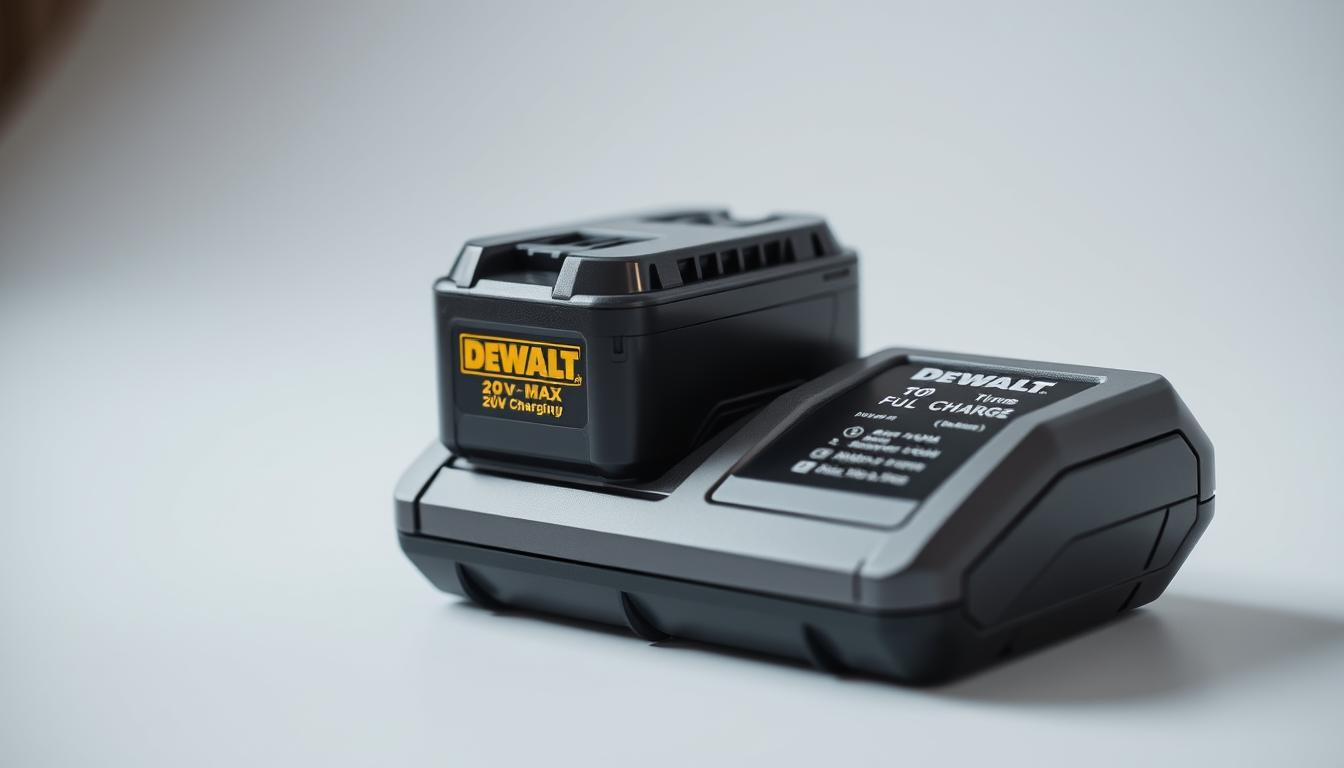
Understanding the charging time of a DEWALT battery is crucial for professionals and DIY enthusiasts alike. The duration it takes for a DEWALT battery to charge fully can vary based on several factors, including battery capacity, charger model, and the battery’s current charge level.
Typically, DEWALT batteries take around 1 to 2 hours to charge fully. However, this timeframe can differ depending on the specific conditions and the age of the battery. This article will delve into the specifics of DEWALT battery charging times, exploring different battery types and their respective charging durations.
Key Takeaways
- Factors affecting DEWALT battery charging time include battery capacity and charger model.
- Typical charging time for DEWALT batteries ranges from 1 to 2 hours.
- The age and current charge level of the battery can impact charging duration.
- Different DEWALT battery types have varying charging times.
- Understanding these factors can help optimize your work schedule.
Understanding DEWALT Battery Types
Understanding the different types of DEWALT batteries is crucial for selecting the right power source for your tools and equipment. DEWALT, a brand synonymous with durability and performance, offers a range of battery technologies to cater to diverse needs.
DEWALT batteries are designed to power a wide array of tools and equipment, from compact drills to heavy-duty saws. The choice of battery type can significantly impact the performance, efficiency, and lifespan of these tools.
Lithium-Ion Batteries
Lithium-Ion batteries are the most prevalent type used by DEWALT. They are known for their high energy density, long cycle life, and low self-discharge. These characteristics make Lithium-Ion batteries ideal for high-performance tools that require consistent power output.
Nickel-Cadmium Batteries
Nickel-Cadmium (Ni-Cd) batteries, while less common in modern DEWALT tools, still offer robust performance and durability. They are capable of withstanding high discharge rates, making them suitable for heavy-duty applications. However, their use has declined due to toxicity concerns and the advent of more efficient technologies.
Lead-Acid Batteries
Lead-Acid batteries are another type, though less frequently associated with DEWALT’s cordless tool lineup. They are known for their cost-effectiveness and recyclability. Lead-Acid batteries are typically used in applications where weight is not a critical factor, and the tool is used intermittently.
| Battery Type | Energy Density | Cycle Life | Self-Discharge |
|---|---|---|---|
| Lithium-Ion | High | Long | Low |
| Nickel-Cadmium | Medium | Medium | Medium |
| Lead-Acid | Low | Short | High |
In conclusion, the type of DEWALT battery you choose should be based on your specific needs, including the type of tool, the nature of the task, and considerations regarding battery lifespan and performance. By understanding the characteristics of each battery type, you can make an informed decision that enhances your productivity and tool longevity.
Factors Affecting Charging Time
Understanding the factors that impact DEWALT battery charging times is crucial for optimal performance. The charging process is not as straightforward as it might seem, as several elements come into play.
Battery Capacity
The capacity of a DEWALT battery significantly influences its charging time. Batteries with higher capacities generally take longer to charge. For instance, a 5.0 Ah battery will typically take longer to charge than a 2.0 Ah battery. It’s essential to consider the battery capacity when planning your work to avoid extended downtime.
Charger Type
The type of charger used can also impact charging times. DEWALT offers various chargers, including standard and fast chargers. Fast chargers can significantly reduce charging times, making them ideal for projects where time is of the essence. For example, using a 20V MAX charger can cut the charging time in half compared to a standard charger.
Temperature Conditions
Temperature is another critical factor that affects DEWALT battery charging times. Extreme temperatures, either hot or cold, can slow down the charging process. It’s recommended to charge batteries in a moderate temperature range (around 65°F to 75°F) for optimal charging efficiency. Charging in extreme temperatures can not only prolong charging times but also potentially damage the battery.
By understanding these factors—battery capacity, charger type, and temperature conditions—users can optimize their DEWALT battery charging times, ensuring that their tools are ready when needed. This knowledge can help in planning and executing tasks more efficiently, ultimately enhancing productivity.
Average Charging Times for DEWALT Batteries
The charging time for DEWALT batteries can significantly vary based on the battery type and capacity. DEWALT offers a wide range of batteries, from compact to heavy-duty, each with its own charging characteristics.
Compact Batteries
Compact DEWALT batteries, such as the DCB107 and DCB113, are designed for smaller tools and typically have faster charging times. On average, these batteries can charge fully within 30 to 45 minutes.
For instance, the DCB107 12V battery charges in approximately 30 minutes using a standard charger, making it ideal for users who need quick turnaround times.
Mid-Size Batteries
Mid-size batteries like the DCB546 and DCB547 offer a balance between power and charging time. These batteries usually take around 60 to 90 minutes to charge fully.
A specific example is the DCB546 18V battery, which charges in about 60 minutes with a 4A charger, providing a good balance between power output and charging efficiency.
Heavy-Duty Batteries
Heavy-duty DEWALT batteries, including models like the DCB181 and DCB182, are designed for high-demand applications and have larger capacities. As a result, they take longer to charge, typically ranging from 2 to 4 hours.
For example, the DCB181 18V 5.0Ah battery takes around 2 hours to charge with a 5A charger, while the DCB182 18V 8.0Ah battery can take up to 4 hours to charge fully.
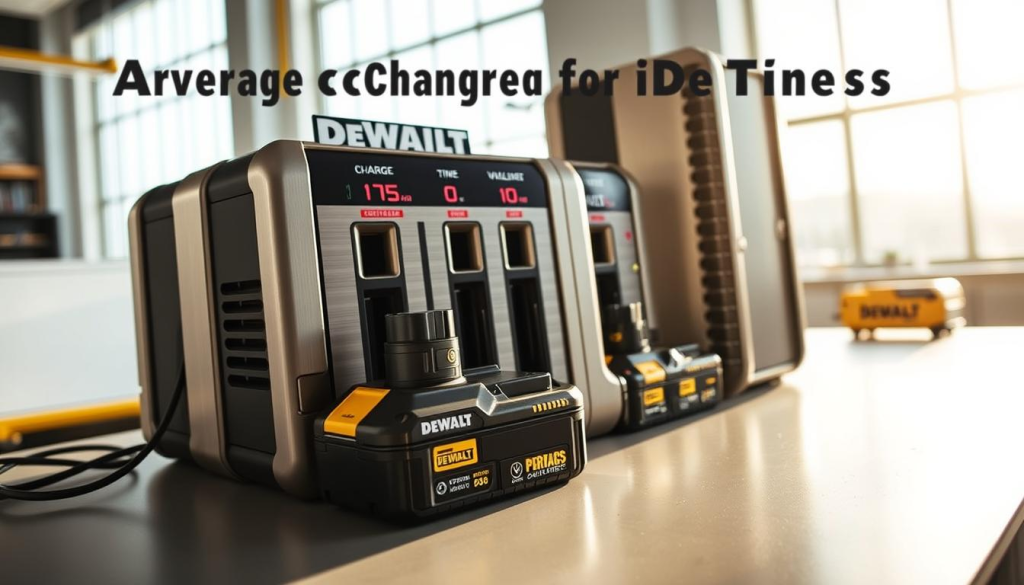
According to DEWALT’s official documentation, “The charging time for our batteries is influenced by factors such as battery capacity, charger type, and ambient temperature.”
“Proper charging techniques and maintaining the battery can significantly impact its performance and lifespan.”
| Battery Model | Capacity (Ah) | Charging Time (minutes) |
|---|---|---|
| DCB107 | 1.3 | 30 |
| DCB113 | 1.7 | 45 |
| DCB546 | 4.0 | 60 |
| DCB181 | 5.0 | 120 |
| DCB182 | 8.0 | 240 |
In conclusion, understanding the charging times for different DEWALT battery models is essential for optimizing tool performance and minimizing downtime. By choosing the right charger and following proper charging techniques, users can maximize the lifespan and efficiency of their DEWALT batteries.
How Long Will a Fully Charged DEWALT Battery Last?
A fully charged DEWALT battery’s lifespan can significantly impact the efficiency of both short tasks and extended projects. Understanding how long a DEWALT battery will last involves considering several factors, including the type of battery, the nature of the task, and the specific DEWALT tool being used.
Short Tasks
For short tasks, DEWALT batteries have been shown to provide reliable and long-lasting power. For instance, the DEWALT 18V XR 5AH Powerstack battery can achieve up to 96 holes per charge when used with the 18V XR Hammer Drill Driver (DCD805). This makes it ideal for tasks that require a high level of precision and power over a shorter duration.
Key Benefits for Short Tasks:
- High energy density for more power
- Compact design for easier handling
- Fast charging capabilities to minimize downtime
Extended Projects
For extended projects, the longevity of a DEWALT battery’s charge becomes even more critical. DEWALT’s range of batteries, particularly those with higher capacities like the 9Ah or 12Ah options, are designed to provide power over longer periods. The actual runtime will depend on the specific tool and the task at hand, but DEWALT batteries are generally known for their ability to sustain performance.
| Battery Type | Runtime for Short Tasks | Runtime for Extended Projects |
|---|---|---|
| DEWALT 18V XR 5AH Powerstack | Up to 96 holes per charge | Several hours of continuous use |
| DEWALT 18V 9Ah Battery | Extended runtime for demanding tasks | All-day performance for heavy-duty applications |
By understanding the runtime of DEWALT batteries for both short tasks and extended projects, users can better plan their work and maximize productivity. Whether you’re tackling a quick job or working on a long-term project, DEWALT batteries are designed to provide the power and reliability needed to get the job done.
Tips for Maximizing Battery Life
Maximizing the life of your DEWALT battery involves a combination of proper charging and storage techniques. By following the right practices, you can significantly enhance the longevity and efficiency of your battery.
Proper Charging Techniques
To maintain your DEWALT battery’s health, it’s essential to use the correct charging methods. This includes cleaning the contacts regularly to ensure a good connection, avoiding overcharging, and checking for firmware updates. Resetting the battery can also help in troubleshooting issues and maintaining its overall health.
Using the right charger is crucial. Test your battery with another charger to identify any issues. This simple step can help you determine if the problem lies with the battery or the charger.
Storage Recommendations
When not in use, store your DEWALT battery in a cool, dry place away from metal objects. Avoid storing the battery in high-temperature environments or in a discharged state, as this can affect its usage and overall lifespan.
Proper storage not only prolongs the battery’s life but also ensures it remains ready for use when needed. Regularly inspect your battery for signs of wear and follow the manufacturer’s guidelines for storage and maintenance.
Recognizing When to Replace a DEWALT Battery
As DEWALT batteries age, their performance deteriorates, making it essential to recognize when it’s time for a new one. The typical estimated lifespan of a Lithium-Ion battery, commonly used in DEWALT tools, ranges from two to three years or 300 to 500 charge cycles, whichever comes first.
Signs of Deterioration
Several signs indicate that a DEWALT battery is deteriorating and may need to be replaced. These include:
- Reduced runtime: If your tool doesn’t run for as long as it used to on a single charge, it could be a sign that the battery is losing its capacity.
- Slow charging: Batteries that take longer to charge than they used to may be experiencing internal degradation.
- Overheating: Excessive heat during charging or use can be a sign of a failing battery.
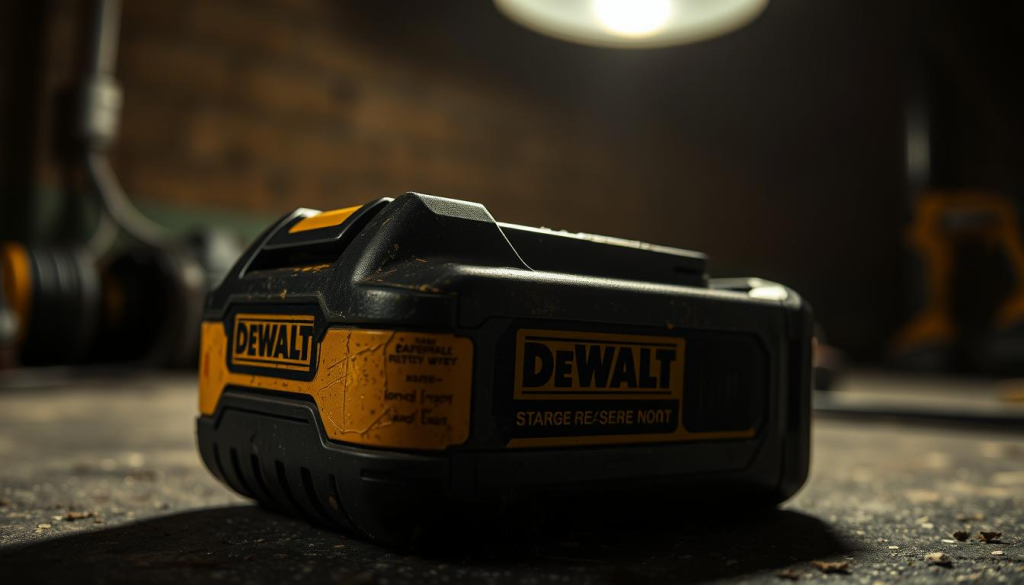
- Physical damage: Swelling, cracks, or other visible damage to the battery casing is a clear indication that it needs to be replaced.
Maintenance Tips
Proper maintenance can extend the lifespan of your DEWALT battery. Here are some tips:
- Avoid deep discharging: Try to charge your battery before it’s completely drained.
- Store batteries properly: Keep them in a cool, dry place away from metal objects.
- Clean contacts: Regularly clean the battery contacts to ensure good connectivity.
- Avoid extreme temperatures: Both very high and very low temperatures can affect battery performance and lifespan.
To further illustrate the factors affecting DEWALT battery lifespan and performance, consider the following comparison:
| Maintenance Practice | Impact on Lifespan | Effect on Performance |
|---|---|---|
| Regular Cleaning of Contacts | Increases lifespan by ensuring good connectivity | Maintains optimal performance |
| Proper Storage | Extends lifespan by reducing degradation | Ensures consistent performance |
| Avoiding Extreme Temperatures | Prolongs lifespan by reducing stress on the battery | Maintains performance and capacity |
By recognizing the signs of deterioration and following these maintenance tips, you can maximize the lifespan and performance of your DEWALT batteries.
Using the Right Charger for Your Battery
Selecting the appropriate charger for your DEWALT battery is crucial for optimizing its performance and longevity. DEWALT chargers are designed to work with specific battery packs, and using an incompatible charger can lead to safety issues and reduced battery efficiency.
DEWALT’s emphasis on innovation is reflected in their chargers, which are engineered to maximize dewalt battery efficiency and minimize charging time. The company’s commitment to improving battery technology is evident in their design of chargers that can adapt to different battery types.
Compatibility Considerations
When it comes to charger compatibility, it’s essential to match the charger with the specific DEWALT battery pack. Using a charger that is not designed for your battery can result in suboptimal charging, potentially damaging the battery or posing safety risks.
- Always check the compatibility of the charger with your DEWALT battery pack.
- Refer to the user manual or manufacturer’s website for guidance on compatible chargers.
- Avoid using chargers from other brands or models that are not specified by DEWALT.
| Charger Model | Compatible Battery Packs | Charging Time |
|---|---|---|
| DEWALT DCB101 | 20V MAX Batteries | 1-2 hours |
| DEWALT DCB107 | 20V MAX Batteries | 2-3 hours |
Fast Charging Options
DEWALT offers fast charging options that can significantly reduce dewalt battery charging time. Their chargers are designed to recharge batteries quickly, getting you back to work faster.
“Fast charging technology has revolutionized the way we use power tools, allowing for more work to be done in less time.” – DEWALT Product Manager
Fast charging is particularly useful for professionals who rely on their tools throughout the day. By minimizing downtime, DEWALT’s fast charging technology enhances productivity and supports demanding work schedules.
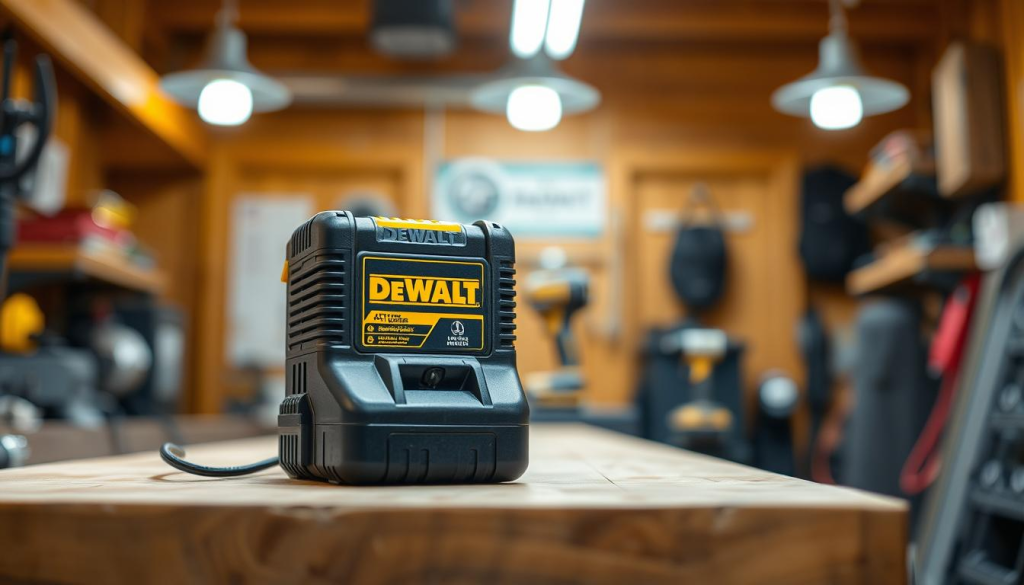
In conclusion, using the right charger for your DEWALT battery is vital for maintaining its health, ensuring safety, and optimizing its performance. By choosing a compatible charger and taking advantage of fast charging options, you can maximize your battery’s efficiency and prolong its lifespan.
Innovations in DEWALT Battery Technology
Innovations in DEWALT battery technology have significantly improved the overall user experience. DEWALT’s commitment to enhancing its battery performance is evident in its latest advancements, including quick charge features and smart battery management systems.
Quick Charge Features
DEWALT’s quick charge technology allows users to recharge their batteries rapidly, minimizing downtime and increasing productivity. This feature is particularly beneficial for professionals who rely on their power tools for extended periods.
Key Benefits of Quick Charge:
- Reduced waiting time
- Increased productivity
- Enhanced user convenience
Smart Battery Management Systems
DEWALT’s smart battery management systems are designed to optimize battery performance and longevity. These systems monitor battery health, regulate charging, and prevent overheating, ensuring that the batteries operate efficiently and safely.
The DEWALT PowerStack batteries, for instance, feature advanced pouch cell technology, providing unmatched performance, efficiency, and longevity. This technology is a testament to DEWALT’s innovative approach to battery design.
| Feature | Description | Benefit |
|---|---|---|
| Quick Charge | Rapid recharging capability | Minimizes downtime |
| Smart Battery Management | Monitors battery health and regulates charging | Optimizes battery performance and longevity |
| Advanced Pouch Cell Technology | Enhances battery efficiency and performance | Provides unmatched longevity and reliability |
In conclusion, DEWALT’s innovations in battery technology have set a new standard in the industry. With features like quick charge and smart battery management systems, DEWALT batteries offer enhanced performance, efficiency, and user convenience.
Eco-Friendly Aspects of DEWALT Batteries
As concern for the environment grows, DEWALT has prioritized eco-friendly features in their battery designs. This commitment is evident in two key areas: recycling options and energy efficiency.
Recycling Options
DEWALT batteries are designed with recyclability in mind. The company has established programs to facilitate the recycling of their batteries, ensuring that materials are reused and waste is minimized. Some key aspects of their recycling efforts include:
- Efficient Collection Systems: DEWALT has set up collection systems to gather used batteries, making it easier for consumers to participate in recycling.
- Partnerships with Recycling Facilities: By partnering with reputable recycling facilities, DEWALT ensures that their batteries are processed in an environmentally responsible manner.
- Material Recovery: The recycling process allows for the recovery of valuable materials, reducing the need for primary production and conserving natural resources.
Energy Efficiency
DEWALT batteries are not only recyclable but also designed to be energy-efficient. This efficiency is achieved through advanced battery technology and smart management systems. Key features include:
- Advanced Lithium-Ion Technology: DEWALT’s use of lithium-ion batteries provides higher efficiency and longer battery life, reducing the overall energy consumption.
- Smart Battery Management: The integration of smart management systems optimizes battery performance, reducing waste and improving energy efficiency.
- Quick Charging: DEWALT’s quick charging technology minimizes downtime and reduces energy consumption by optimizing the charging process.
By focusing on both recycling options and energy efficiency, DEWALT demonstrates its commitment to reducing the environmental impact of its products. This approach not only benefits the environment but also enhances the overall value proposition for consumers.
Frequently Asked Questions about DEWALT Batteries
DEWALT batteries are known for their reliability and performance, but users often have questions about their usage and maintenance. Understanding the runtime, lifespan, and charging time of these batteries can help users maximize their productivity.
Myth-Busting
One common myth is that leaving a DEWALT battery on the charger can damage it. However, most modern DEWALT chargers have built-in protection against overcharging, ensuring the battery remains healthy. The dewalt battery charging time varies depending on the battery capacity and charger type, but generally, it takes between 30 minutes to 2 hours to fully charge a depleted battery.
User Insights
Users often ask about the dewalt battery runtime and how long a fully charged battery will last. The answer depends on the task at hand and the tool being used. For heavy-duty applications, the runtime may be shorter, while lighter tasks can extend the battery life. On average, a DEWALT battery can last several years if properly maintained, with some users reporting a dewalt battery lifespan of up to 5 years or more.
By understanding the factors that affect DEWALT battery performance, users can optimize their usage and extend the battery lifespan.