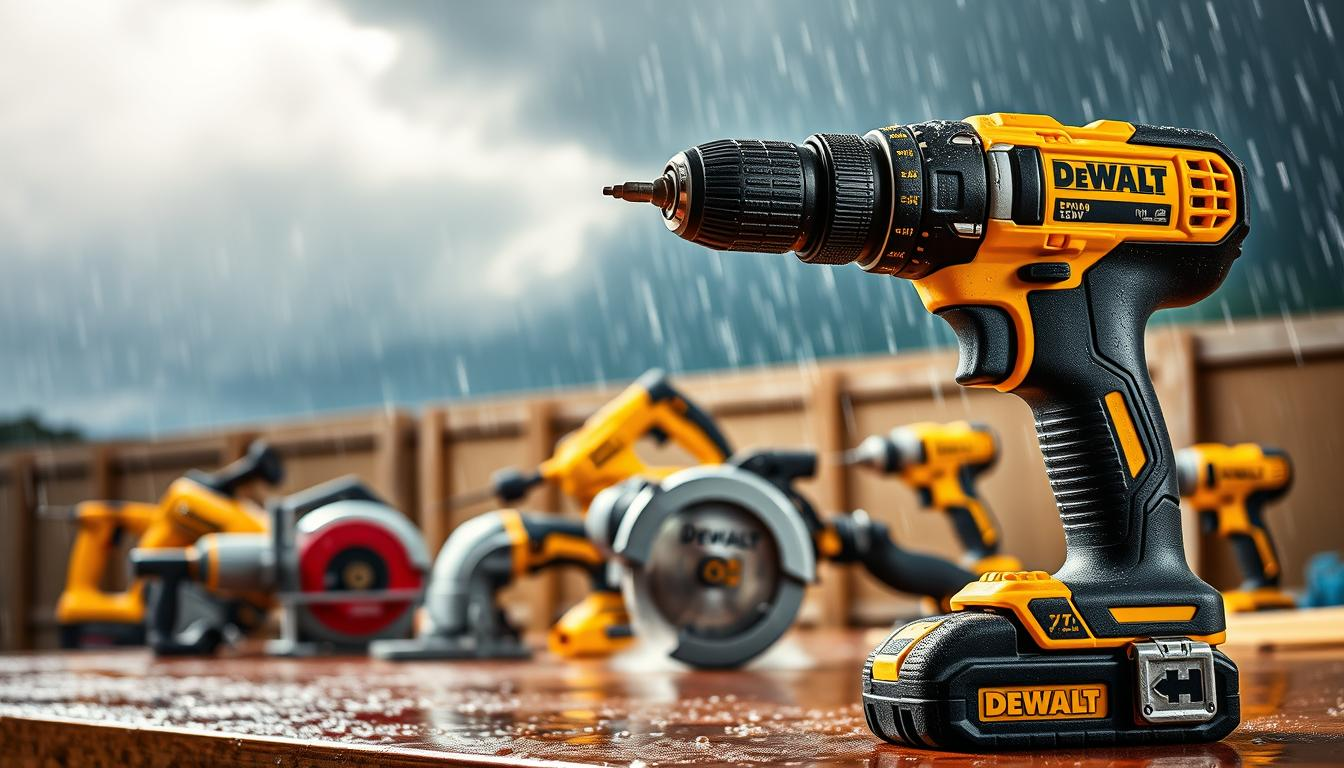
Using power tools in rainy conditions can be hazardous, and understanding the water resistance of your equipment is crucial.
DEWALT’s support team warns against using their power tools in wet conditions due to the risk of injury, shock, or damage. Most of their power tools are not designed to operate once they have been exposed to water.
It’s essential to know whether your DEWALT tools are waterproof or rainproof before using them in rainy conditions.
Key Takeaways
- DEWALT power tools are not designed to operate in wet conditions.
- Using power tools in the rain can lead to injury, shock, or damage.
- Understanding the water resistance of your tools is crucial.
- Check if your DEWALT tools are waterproof or rainproof before use.
- Follow manufacturer guidelines for safe tool operation.
Understanding DEWALT Tool Ratings and Protection
Understanding the protection ratings of DEWALT tools is crucial for their safe and effective use. DEWALT tools are designed to withstand various environmental conditions, but their durability depends on their protection ratings.
IP Ratings Explained
DEWALT tools often come with an Ingress Protection (IP) rating, which indicates their level of protection against solid particles and water. The IP rating is composed of two digits: the first digit represents protection against solids, and the second digit represents protection against liquids.
IP Rating Chart:
| First Digit (Solids) | Protection Level | Second Digit (Liquids) | Protection Level |
|---|---|---|---|
| 0 | No protection | 0 | No protection |
| 1 | Protection against objects > 50 mm | 1 | Protection against dripping water |
| 2 | Protection against objects > 12.5 mm | 2 | Protection against dripping water when tilted |
| 3 | Protection against objects > 2.5 mm | 3 | Protection against spraying water |
| 4 | Protection against objects > 1 mm | 4 | Protection against splashing water |
| 5 | Dust-protected | 5 | Protection against low-pressure jets |
| 6 | Dust-tight | 6 | Protection against high-pressure jets |
| 7 | Protection against immersion up to 1m | ||
| 8 | Protection against immersion beyond 1m | ||
| 9 | Protection against powerful high-temperature jets |
What Does “Water-Resistant” Mean?
When a DEWALT tool is described as “water-resistant,” it means the tool can withstand exposure to water to some extent. However, water resistance does not equate to the tool being fully waterproof. The level of water resistance varies depending on the tool’s design and IP rating.
Importance of Manufacturer Specifications
It’s essential to consult the manufacturer’s specifications for DEWALT tools to understand their protection ratings and limitations. Manufacturer specifications provide detailed information on how to use and maintain the tools to ensure their longevity and performance.
By understanding DEWALT tool ratings and protection, users can make informed decisions about using their tools in various conditions, including wet environments. Always refer to the manufacturer’s guidelines to maximize the tool’s lifespan and safety.
Factors to Consider When Using Tools Outdoors
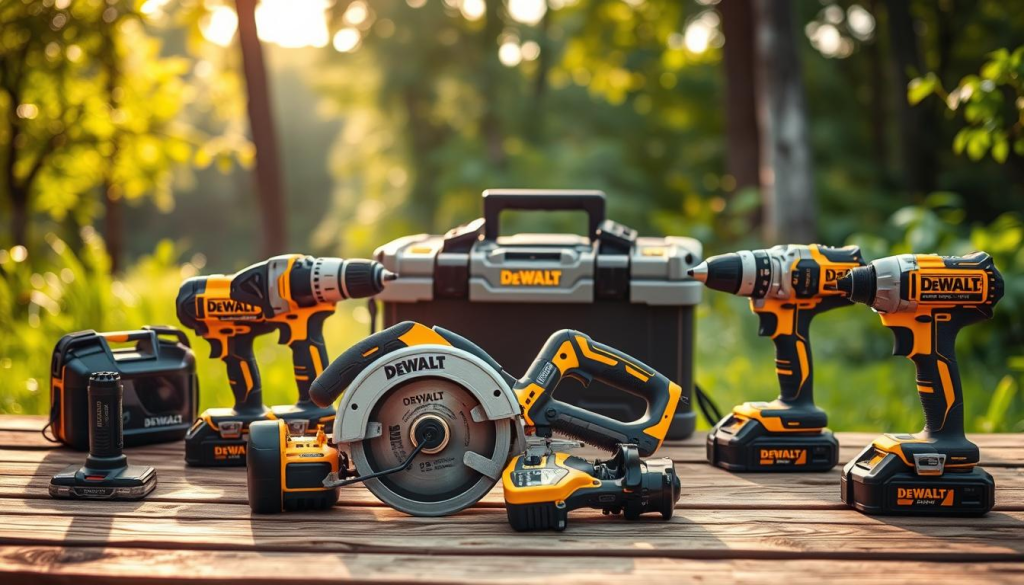
Outdoor applications of DEWALT tools demand attention to weather conditions and material resilience. When using power tools in outdoor environments, it’s crucial to consider the factors that affect their performance and safety.
Weather Conditions Impact
Weather conditions play a significant role in the safe and effective use of DEWALT tools outdoors. Rain, snow, and extreme temperatures can all impact tool performance. For instance, using tools in wet conditions can lead to electrical shock hazards or damage to the tool’s internal components.
The impact of weather is not limited to wet conditions; extreme temperatures can also affect tool durability. High temperatures can cause overheating, while low temperatures can make materials more brittle, increasing the risk of damage.
Material Durability in Wet Environments
The durability of DEWALT tools in wet environments is a critical consideration. Tools made with materials that are resistant to corrosion and water ingress are more likely to withstand wet conditions. Stainless steel and rugged plastics are examples of materials that can enhance tool durability.
However, even with durable materials, prolonged exposure to wet conditions can still cause damage. It’s essential to follow manufacturer guidelines for tool maintenance and to inspect tools regularly for signs of wear or damage.
By understanding the factors that affect DEWALT tool performance and safety in outdoor conditions, users can take necessary precautions to mitigate risks and ensure the longevity of their tools.
Signs Your DEWALT Tools Are Not Water-Resistant
DEWALT tool users should be aware of the signs indicating their tools are not resistant to water. Exposure to moisture can compromise the tool’s functionality and safety.
Physical Indicators of Damage
When DEWALT tools are exposed to water, several physical indicators can signal damage. These include:
- Rust or corrosion on metal parts
- Discoloration or swelling of plastic components
- Water ingress into the tool’s battery compartment or motor housing
Visible signs of moisture inside the tool
Rust and corrosion are clear indicators that the tool’s metal components have been compromised. Regular inspection can help identify these issues early.
Performance Issues in Wet Conditions
Besides physical damage, water exposure can also lead to performance issues with DEWALT tools. These issues may include:
- Reduced power output or intermittent operation
- Overheating or sparking
- Failure to turn on or operate as expected
Tools that have been exposed to water may exhibit reduced performance due to short circuits or corrosion affecting the electrical components.
| Signs of Water Damage | Possible Causes | Recommended Action |
|---|---|---|
| Rust or corrosion | Prolonged water exposure | Dry the tool and apply rust inhibitor |
| Reduced power output | Water ingress into electrical components | Inspect and dry the tool; check for damage |
Understanding these signs and taking prompt action can help mitigate damage and ensure the longevity of DEWALT tools.
Best Practices for Using DEWALT Tools in the Rain
To ensure safety while using DEWALT tools in the rain, specific guidelines should be adhered to. Working with power tools in wet conditions can be hazardous if proper precautions are not taken.
Protective Measures and Accessories
One of the key aspects of safely using DEWALT tools in rainy conditions is employing protective measures and utilizing appropriate accessories. Waterproof covers and cases can significantly reduce the risk of water damage. Additionally, using tools with IP (Ingress Protection) ratings that indicate a level of protection against solids and liquids can be beneficial.
Here is a comparison of different IP ratings and their implications for tool usage in wet conditions:
| IP Rating | Description | Suitability for Rain |
|---|---|---|
| IPX4 | Protected against splashing water | Moderately suitable |
| IPX7 | Protected against immersion up to 1 meter | Highly suitable |
| IPX8 | Protected against immersion beyond 1 meter | Very highly suitable |
Recommended Work Habits
Adopting safe work habits is crucial when using DEWALT tools in the rain. It’s recommended to regularly inspect tools for damage and ensure that all safety features are functioning correctly. Additionally, workers should be trained on the proper use of tools in wet conditions and understand the risks associated with electrical shock.
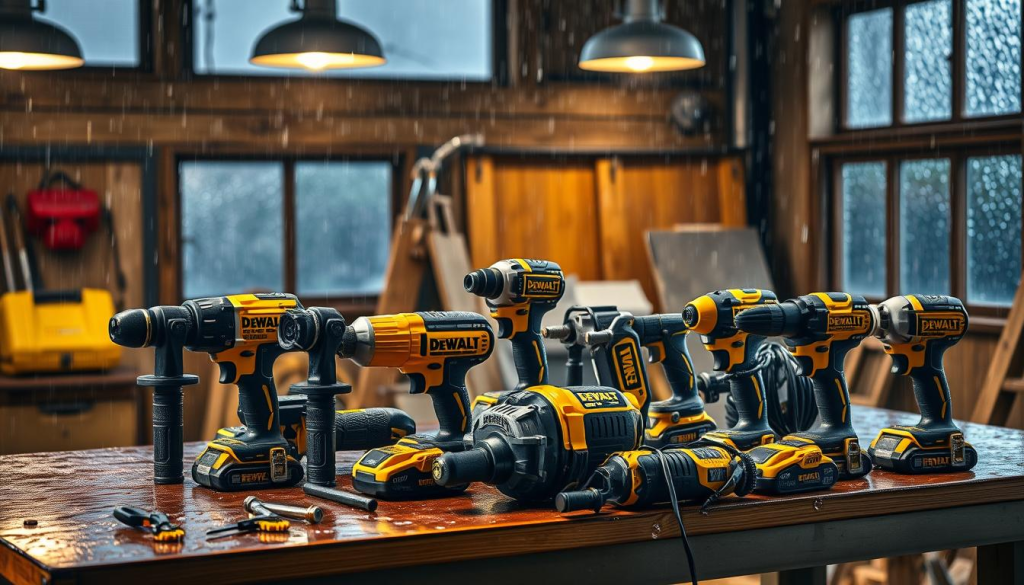
By following these best practices, users can minimize risks associated with using DEWALT tools in rainy conditions. It’s also important to refer to the manufacturer’s guidelines for specific tool models and to stay informed about the latest safety recommendations.
What to Do if Your Tools Get Wet
Water and power tools don’t mix, but knowing what to do when your DEWALT tools get wet can save the day. Whether you’re working on a construction site or tackling a DIY project at home, accidental exposure to water can happen. If your DEWALT tools get wet, it’s essential to act quickly to prevent damage.
Immediate Steps to Take
When your DEWALT tools are exposed to water, the first step is to disconnect them from the power source immediately. For cordless tools, remove the battery pack. This simple action can prevent electrical shock and further damage to the tool.
Inspect the tool for visible damage. Check for any signs of water ingress, such as rust or corrosion on metal parts. If you notice any damage, it’s best to consult a professional for repair or contact DEWALT’s customer service for guidance.
Drying Techniques and Care
Drying your DEWALT tools properly is crucial after they’ve been exposed to water. Start by gently wiping down the tools with a dry cloth to remove any visible moisture. Avoid using heat sources like hair dryers or ovens to dry the tools, as this can cause damage to the internal components.
For tools with electronic components, it’s recommended to let them air dry in a dry, well-ventilated area. You can also use desiccants or silica gel packets to absorb moisture. It’s crucial to be patient and allow the tools sufficient time to dry completely before attempting to use them again.
To prevent future water damage, consider using protective covers or cases designed for your DEWALT tools. Regular maintenance, such as checking for worn-out parts and keeping the tools clean, can also help extend their lifespan.
By following these steps, you can minimize the risk of damage to your DEWALT tools when they get wet. Remember, prevention is key, but knowing how to respond when accidents happen is equally important.
DEWALT’s Commitment to Quality and Innovation
DEWALT’s relentless pursuit of innovation has led to significant advancements in tool protection technology. This commitment is reflected in their comprehensive product lineup and the incorporation of cutting-edge features that enhance tool durability and performance in various conditions.
Overview of DEWALT’s Product Lineup
DEWALT offers a wide range of power tools designed to meet the needs of professionals and DIY enthusiasts alike. Their product lineup includes cordless drills, impact drivers, saws, and sanders, many of which are designed with water resistance in mind. DEWALT’s tools are engineered to withstand the rigors of heavy use, including exposure to wet conditions.
The brand’s cordless technology has revolutionized the industry, providing users with the flexibility to work in various environments without being tethered to a power source. DEWALT’s battery technology is designed to provide consistent power and durability, even in challenging conditions.
Advancements in Tool Protection Technology
DEWALT has made significant strides in tool protection technology, including advancements in waterproofing and water resistance. Their tools often feature sealed electronics and robust designs that prevent moisture ingress, ensuring that they continue to operate effectively even when exposed to rain or wet conditions.

One of the key technologies employed by DEWALT is their use of IP ratings to indicate the level of protection against solid particles and water. Tools with higher IP ratings are more resistant to water and dust, making them suitable for use in harsh environments.
DEWALT’s commitment to innovation is also evident in their ongoing research and development efforts, aimed at improving tool performance and durability. By investing in new technologies and design improvements, DEWALT continues to set industry standards for quality and reliability.
Customer Experiences with DEWALT Tools in Rain
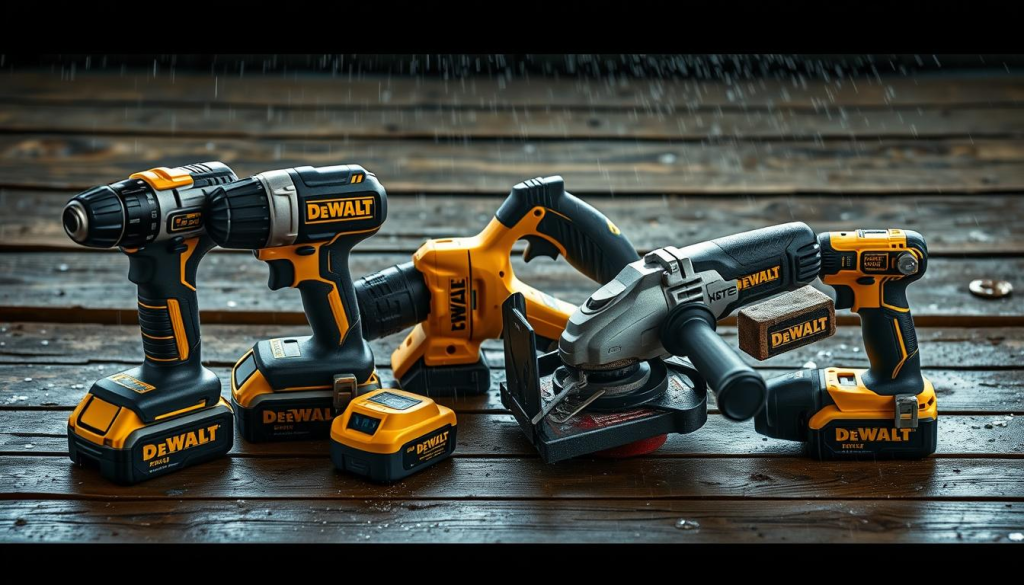
DEWALT tool users have reported their experiences working with these tools in the rain, shedding light on their rainproof capabilities. Many have shared stories of using DEWALT tools in various wet conditions, from light drizzle to heavy downpours.
Case Studies and Feedback
Several case studies highlight the durability of DEWALT tools in rainy conditions. For instance, a construction company reported using DEWALT cordless drills in wet weather without any issues, thanks to their water-resistant design. DEWALT’s commitment to quality is evident in the feedback from professionals who rely on these tools for outdoor projects.
One user noted, “I’ve used my DEWALT impact driver in the rain multiple times, and it still works like a charm.” Such testimonials underscore the reliability of DEWALT tools in challenging weather conditions.
Common Questions from Users
Users often ask about the safety and performance of DEWALT tools in wet conditions. Common questions include: “Can I use my DEWALT tool in the rain?” and “How do I maintain my DEWALT tools after exposure to water?”
To address these concerns, it’s essential to follow the manufacturer’s guidelines for use in wet conditions and to perform regular maintenance checks. Proper care and storage can significantly extend the lifespan of DEWALT tools.
- Check the IP rating of your DEWALT tool to understand its level of protection against water.
- Regularly inspect tools for signs of damage or wear.
- Follow DEWALT’s maintenance recommendations for tools used in wet conditions.
Alternatives to Consider for Rainy Conditions
When working outdoors in rainy conditions, it’s essential to consider alternative power tool options that can withstand wet environments. DEWALT tools are known for their durability and water resistance, but there are other factors and options to consider when working in consistently wet conditions.
One key decision is whether to use battery-powered tools or corded tools. Each has its advantages and disadvantages in rainy conditions.
Battery vs. Corded Tools
Battery-powered tools offer greater flexibility and mobility, making them ideal for jobs that require moving around or working in areas without easy access to power outlets. However, their electrical components are more exposed to moisture, which can be a concern in very wet conditions. On the other hand, corded tools provide consistent power and can be more durable in wet conditions if properly protected, but they limit mobility and require careful management of the power cord to avoid safety hazards.
Corded tools are often preferred for heavy-duty applications where consistent power is crucial. They can be used in wet conditions as long as the cord and tool are properly maintained and protected. It’s crucial to inspect cords for damage and ensure that all connections are secure to prevent electrical shock.
Other Brands with Similar Features
While DEWALT is a renowned brand for power tools, other brands offer similar features and water resistance. Brands like Milwaukee, Bosch, and Makita provide a range of tools designed for outdoor use in various conditions. When selecting tools from other brands, consider factors such as IP ratings, material durability, and manufacturer specifications regarding water resistance.
- Milwaukee offers a range of cordless tools with high IP ratings, making them suitable for wet conditions.
- Bosch provides tools with advanced waterproofing technology, enhancing their durability in rainy conditions.
- Makita is known for its robust cordless tools that offer a balance between power and water resistance.
Ultimately, the choice between DEWALT and other brands will depend on your specific needs, including the type of projects you undertake, your budget, and your preferences regarding tool features and ergonomics.
Conclusion: Making the Right Choice for Wet Conditions
Understanding the capabilities and limitations of DEWALT tools in wet conditions is crucial for safe and effective usage. DEWALT tools are designed with various levels of moisture protection, including some models featuring advanced waterproofing technology.
Key Considerations
When using DEWALT tools in rainy or wet conditions, it’s essential to consider the tool’s IP rating and the manufacturer’s specifications. Tools with higher IP ratings offer better protection against moisture. Additionally, understanding the differences between water-resistant and waterproof tools can help in making informed decisions.
Safe Usage Recommendations
To ensure safe usage, always follow the manufacturer’s guidelines for tool maintenance and usage in wet conditions. Utilize protective measures such as covers or cases when available, and opt for battery-powered tools that may offer better safety in moist environments due to dewalt tools moisture protection features. Some DEWALT tools are designed to be rainproof, enhancing their durability in challenging weather conditions.
By choosing the right DEWALT tool for the job and following best practices, users can minimize risks associated with tool usage in wet conditions, leveraging dewalt tools waterproofing technology for enhanced performance and safety.