
Choosing the right makita drill battery is crucial for optimizing the performance and longevity of your Makita drill.
According to Makita Canada Inc, it’s essential to never allow your battery to completely drain and to charge new batteries before their first use.
Using the correct high-performance makita battery can significantly enhance your drilling experience, providing more power and longer runtime.
Key Takeaways
- Proper battery maintenance is key to extending the life of your Makita drill.
- Charging your battery correctly can improve performance.
- A high-performance battery can increase drilling efficiency.
- Following manufacturer guidelines ensures optimal battery health.
- Regularly checking battery condition can prevent unexpected downtime.
Understanding Makita Drill Batteries
Understanding the nuances of Makita drill batteries is essential for optimizing your power tool’s performance. Makita Canada Inc emphasizes the importance of proper battery care, which starts with selecting the right type of battery for your needs.
Types of Makita Batteries Available
Makita offers a range of battery types, including Lithium-Ion (Li-ion) and Nickel-Cadmium (Ni-Cad). Li-ion batteries are known for their superior performance and longer lifespan compared to Ni-Cad batteries. According to the data, Li-ion batteries offer superior performance, making them a preferred choice for many users.
The choice between these battery types depends on your specific needs, including the type of projects you undertake and your preference for battery longevity versus cost.
How Battery Voltage Affects Performance
The voltage of your Makita drill battery significantly impacts its performance. Common voltages include 12V, 18V, and 24V, with higher voltages typically offering more power for demanding tasks. Choosing the right voltage is crucial for ensuring your drill can handle your projects effectively without wasting energy.
For instance, an 18V battery is often considered a sweet spot for many applications, offering a balance between power and runtime. Understanding how battery voltage affects performance is key to maximizing your Makita drill’s capabilities.
Selecting the Right Battery for Your Makita Drill
To get the most out of your Makita drill, selecting the right rechargeable Makita battery is essential. With a range of options available, understanding the key factors that influence battery performance and compatibility is crucial.
When choosing a battery, it’s vital to consider the specific requirements of your Makita drill model. Using a battery that is not compatible can lead to suboptimal performance or even damage your tool.
Compatibility with Different Models
Makita drills are designed to work with specific batteries, and not all batteries are compatible with every model. To ensure compatibility, check the model number of your Makita drill and match it with the recommended battery type. Makita provides detailed information on compatible batteries for each model on their official website and in the user manual.
Using genuine Makita batteries is recommended as they are designed to work seamlessly with Makita drills, providing optimal performance and safety.
Battery Capacity Considerations
Battery capacity, measured in Ah (Ampere-hours), is another critical factor to consider. A higher Ah rating generally means longer runtime, but it may also affect the battery’s size and weight. For most users, a balance between capacity and portability is key.
For heavy-duty applications, a higher capacity rechargeable Makita battery is advisable. Conversely, for lighter tasks or occasional use, a lower capacity battery might suffice, offering the advantage of being more compact and lighter.
It’s also worth noting that using genuine Makita chargers and avoiding overcharging or undercharging can significantly impact the lifespan and performance of your battery. Proper care and maintenance are essential for getting the most out of your Makita drill battery.
The Benefits of Using Genuine Makita Batteries
For optimal results with your Makita drill, it’s essential to use batteries that are specifically designed for it. Genuine Makita batteries are engineered to provide the best possible performance, ensuring that your drill operates efficiently and effectively.
Longevity and Reliability
Genuine Makita batteries are built to last, offering long-lasting performance that can withstand the demands of various projects. Their reliability is a key factor in maintaining consistent productivity.
According to Makita Canada Inc, genuine batteries are designed to work seamlessly with Makita drills, providing a reliable power source that minimizes downtime.
| Feature | Genuine Makita Batteries | Third-Party Batteries |
|---|---|---|
| Longevity | Up to 500 charge cycles | Variable, often less than 300 cycles |
| Reliability | Consistent performance | Often inconsistent |
| Warranty | Comprehensive warranty coverage | Limited or no warranty |
Warranty and Support Advantages
One of the significant benefits of using genuine Makita batteries is the comprehensive warranty coverage. Makita’s warranty program provides peace of mind, protecting your investment against defects and premature failure.
Additionally, genuine Makita batteries come with dedicated customer support, ensuring that any issues are addressed promptly and efficiently. This support is invaluable for professionals and DIYers alike, as it minimizes project delays and ensures that your Makita drill is always ready to use.
By choosing genuine Makita batteries, you’re not only ensuring the longevity and reliability of your drill but also gaining access to Makita’s renowned customer support and warranty advantages. This makes genuine Makita batteries an affordable makita battery option in the long run, despite potentially higher upfront costs.
Tips for Maintaining Your Makita Drill Battery
Maintaining your Makita drill battery is crucial for extending its lifespan and ensuring optimal performance. A well-maintained battery not only lasts longer but also provides consistent power to your drill, making your projects more efficient.
Proper Charging Techniques
To maintain your Makita drill battery, it’s essential to follow proper charging techniques. Here are some tips to help you charge your battery correctly:
- Avoid overcharging, as it can reduce the battery’s lifespan. Unplug the charger once the battery is fully charged.
- Use the correct charger for your Makita drill battery. Using a charger not designed for your battery can cause damage.
- Charge your battery in a cool, dry place. Extreme temperatures can affect the charging process.
Tip: It’s also recommended to charge your Makita drill battery when it’s between 20% and 80% full. Avoiding letting it completely drain to 0% on a regular basis.
Storage Recommendations
Proper storage of your Makita drill battery is just as important as proper charging. Here are some storage tips:
- Store your battery in a cool, dry place away from direct sunlight.
- Avoid storing your battery in environments with extreme temperatures.
- Keep your battery away from metal objects that could cause a short circuit.
Note: If you plan to store your Makita drill battery for an extended period, it’s a good idea to charge it to about 50% capacity before storage. This helps maintain the battery’s health.
By following these tips for maintaining your Makita drill battery, you can ensure it remains in good condition and continues to power your drill effectively.
Signs Your Makita Drill Battery Needs Replacement
Recognizing the signs that indicate your Makita drill battery needs replacement can help you maintain your tool’s performance and ensure your projects are completed efficiently.
Decreased Runtime
One of the most common indicators that your Makita drill battery is nearing the end of its life is a noticeable decrease in runtime. If you find that your drill isn’t lasting as long as it used to on a single charge, it may be a sign that the battery’s capacity is diminishing. This reduction in performance can hinder your work, making it essential to monitor your battery’s health.
A high-performance Makita battery is designed to provide consistent power throughout its lifespan. However, as the battery ages, its ability to hold a charge and deliver power diminishes. If you’ve noticed that your Makita drill is not running for as long as it used to, it’s worth considering a replacement battery to restore your tool’s performance.
Physical Damage Indicators
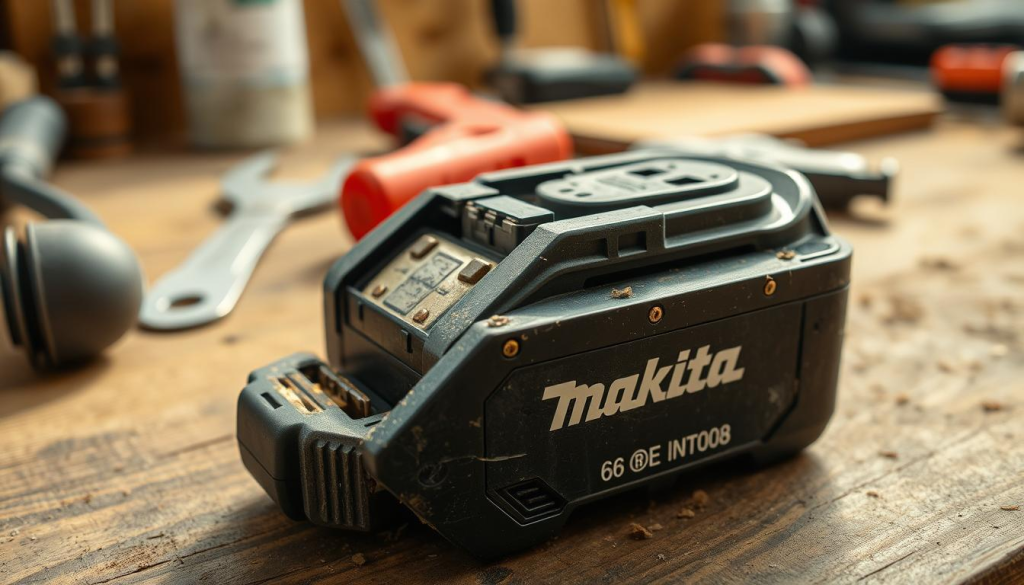
Physical damage to your Makita drill battery is another clear sign that it may need to be replaced. Inspect your battery regularly for signs of wear and tear, such as swelling, cracks, or corrosion on the terminals. Any of these issues can not only affect the battery’s performance but also pose a safety risk.
Using a damaged battery can lead to more severe problems, including damage to your Makita drill or even safety hazards like overheating or fires. Therefore, it’s crucial to identify and address any physical damage promptly.
| Signs of Battery Degradation | Description | Action Required |
|---|---|---|
| Decreased Runtime | Battery doesn’t last as long as it used to | Consider replacing the battery |
| Physical Damage | Swelling, cracks, or corrosion on the battery | Replace the battery immediately |
By being aware of these signs and taking appropriate action, you can ensure your Makita drill continues to perform at its best. Whether it’s a decreased runtime or physical damage, replacing your Makita drill battery when necessary is key to maintaining your tool’s efficiency and longevity.
Comparing Lithium-Ion and NiCd Batteries
Understanding the differences between Lithium-Ion and Nickel-Cadmium batteries is essential for maximizing your Makita drill’s performance. Both battery types have their advantages and disadvantages, which are crucial to consider when deciding on the best power source for your projects.
Key Differences Between Technologies
Lithium-Ion (Li-ion) batteries are known for their high energy density, long cycle life, and relatively low self-discharge rate. They are also more environmentally friendly compared to Nickel-Cadmium (NiCd) batteries, as they do not contain toxic heavy metals like cadmium. On the other hand, NiCd batteries have been used for a long time and are known for their durability and ability to deliver high discharge rates.
Lithium-Ion batteries offer several key benefits:
- Higher energy density, allowing for more power in a smaller size
- Longer cycle life, reducing the need for frequent replacements
- Low self-discharge rate, making them ready to use when needed
In contrast, NiCd batteries have their own set of advantages, including:
- High discharge rate capability, suitable for high-power applications
- Robustness and ability to withstand harsh conditions
As noted by a leading industry expert, “Lithium-Ion technology has become the preferred choice for many cordless power tools due to its superior performance and environmental benefits.”
“The shift towards Lithium-Ion batteries is driven by their ability to provide consistent power and longer runtime, making them ideal for demanding applications.”
Which is Best for Your Projects?
The choice between Li-ion and NiCd batteries ultimately depends on your specific needs and the requirements of your projects. For most users, Li-ion batteries are the preferred choice due to their long-lasting performance and environmental advantages. However, NiCd batteries may still be suitable for certain applications that require high discharge rates and ruggedness.
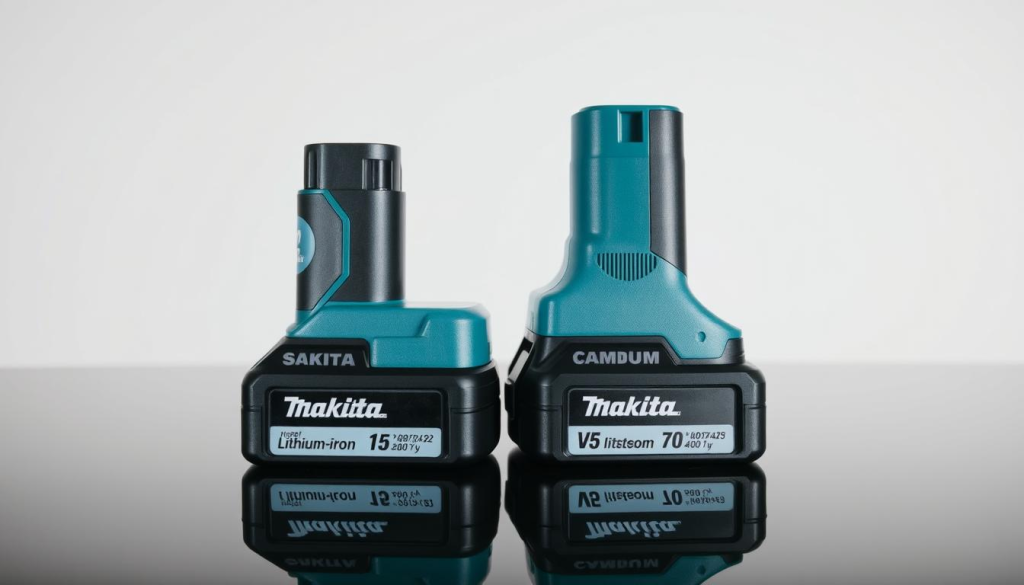
When deciding, consider factors such as the type of projects you undertake, the power requirements of your Makita drill, and your budget. For those prioritizing long runtime and efficiency, a long-lasting Makita battery like Li-ion is recommended.
Upgrading Your Makita Drill Battery
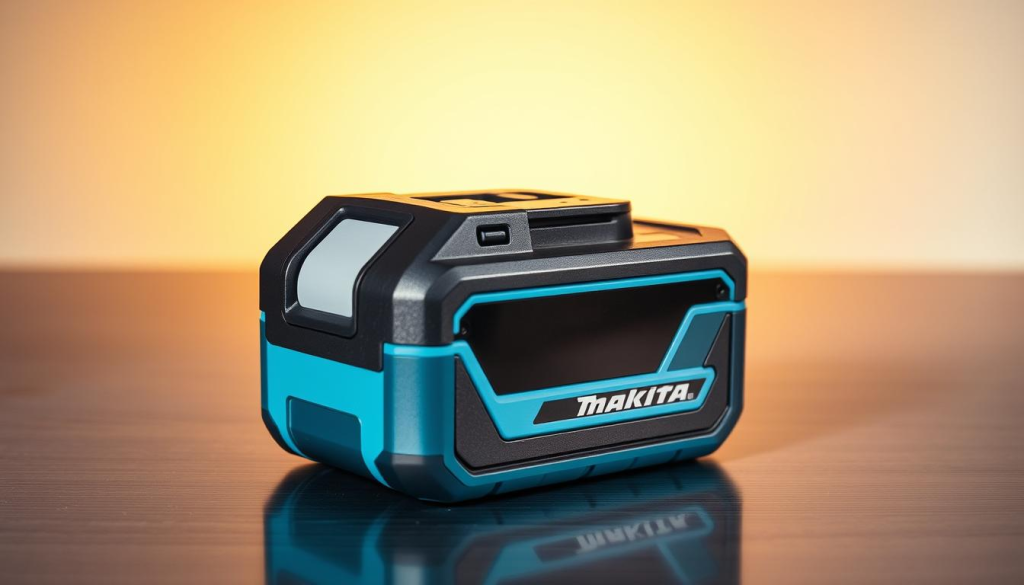
To get the most out of your Makita drill, consider upgrading to a more advanced battery. Upgrading can significantly improve your tool’s performance, offering longer runtime, faster charging, and enhanced overall efficiency.
How Upgrading Can Improve Performance
Upgrading to a higher capacity or more advanced Makita drill battery can have several benefits. For instance, a higher capacity battery can provide a longer runtime, allowing you to complete tasks without interruption. As noted by a Makita expert, “A higher capacity battery is a game-changer for professionals who need reliability and extended use.”
Moreover, advanced battery technologies such as Lithium-Ion offer faster charging times and improved durability compared to older technologies. This means less downtime and more productivity on the job site.
Factors to Consider When Upgrading
When considering an upgrade, several factors come into play. First, ensure the new battery is compatible with your Makita drill model. Check the voltage and capacity requirements to avoid any compatibility issues.
- Assess your specific needs: If you’re a heavy user, a higher capacity battery might be more suitable.
- Consider the technology: Lithium-Ion batteries offer several advantages over NiCd, including lighter weight and faster charging.
- Evaluate the cost: While a more advanced battery may be more expensive upfront, it can offer long-term savings through reduced maintenance and longer lifespan.
By carefully considering these factors, you can select the best Makita drill battery that meets your needs and enhances your tool’s performance.
For those on a budget, looking for an affordable Makita battery that doesn’t compromise on quality is key. Balancing cost with performance will ensure you get the best value for your investment.
Cost Considerations When Buying Batteries
Understanding the cost considerations of Makita drill batteries is crucial for making an informed purchase decision. When selecting a battery, it’s essential to weigh the upfront cost against the long-term benefits and performance.
“The initial cost of a battery can be misleading,” says industry experts, “as it’s the overall value that truly matters.” This perspective emphasizes the importance of looking beyond the initial price tag.
Budget-Friendly Options vs Premium Batteries
Budget-friendly Makita battery options are available, but they may not offer the same level of performance and longevity as premium batteries. Premium batteries, although more expensive upfront, can provide better long-term value due to their higher capacity and durability.
When comparing budget-friendly options to premium batteries, consider the following factors:
- Battery capacity (Ah)
- Cycle life
- Charging time
- Warranty offered
Premium batteries often have higher capacities and longer cycle lives, making them more cost-effective in the long run. For instance, a high-capacity Makita battery might be more expensive initially but can offer longer runtime and reduced maintenance costs.
Evaluating Long-Term Value
To evaluate the long-term value of a Makita drill battery, consider the total cost of ownership. This includes the initial purchase price, maintenance costs, and any potential replacement costs.
A long-lasting Makita battery can significantly reduce overall costs by minimizing the need for frequent replacements and reducing downtime. When assessing the long-term value, it’s also crucial to consider the battery’s performance in your specific applications.
By carefully evaluating these factors, you can make a more informed decision that balances your budget with your performance needs. As the data suggests, while premium batteries may be more expensive upfront, they can offer better long-term value, making them a worthwhile investment for many users.
Troubleshooting Common Battery Issues
When your Makita drill battery starts to malfunction, it can be frustrating and disrupt your work. Understanding how to identify and troubleshoot common issues can help you get back to your projects quickly.
Battery Not Holding Charge
If your Makita drill battery is not holding a charge, there are several potential causes to investigate. First, ensure that your charger is functioning correctly and that the battery contacts are clean. Dirt, grime, or corrosion on the contacts can prevent the battery from charging properly.
- Check the charger and cable for damage.
- Clean the battery contacts with a soft brush or cloth.
- Try charging the battery with a different charger, if possible.
If the issue persists, it may be a sign that the battery is nearing the end of its lifespan. Makita drill batteries have a limited number of charge cycles before they begin to lose their capacity.
Drill Not Running with New Battery
Installing a new battery only to find that your Makita drill doesn’t run can be puzzling. This issue could stem from several factors, including compatibility problems or issues with the drill itself.
- Verify that the new battery is compatible with your Makita drill model.
- Check the drill’s contacts and terminals for any signs of damage or wear.
- Ensure that the battery is properly seated and locked into place.
If your drill still doesn’t run, it may indicate a more serious issue with the drill’s electrical system or motor. In such cases, consulting a professional or contacting Makita’s customer support may be necessary.
| Issue | Possible Cause | Troubleshooting Step |
|---|---|---|
| Battery Not Holding Charge | Dirty Contacts | Clean contacts with a soft brush |
| Battery Not Holding Charge | Faulty Charger | Try a different charger |
| Drill Not Running | Incompatible Battery | Check battery compatibility |
| Drill Not Running | Damaged Drill Contacts | Inspect and clean drill contacts |
By following these troubleshooting steps, you can often resolve common issues with your Makita drill battery and get back to work. Regular maintenance, such as cleaning contacts and proper storage, can also help extend the life of your batteries.
Where to Buy Authentic Makita Drill Batteries
When purchasing a Makita drill battery, it’s crucial to buy from authorized retailers to ensure you’re getting a genuine makita battery. Makita Canada Inc emphasizes the importance of buying from authorized retailers to avoid counterfeit products that can compromise safety and performance.
Authorized Retailers and Online Options
You can find genuine Makita drill batteries at authorized retailers such as Makita’s official website, Home Depot, and other reputable online sellers. These retailers guarantee the sale of authentic makita power tool batteries that meet Makita’s quality standards.
Avoiding Counterfeit Products
Counterfeit Makita batteries can be identified by their unusually low prices and lack of warranty. To avoid these products, always check for the Makita logo, serial numbers, and other authenticity markers. Buying from authorized retailers ensures you’re getting a reliable makita power tool battery that will provide optimal performance and longevity.