
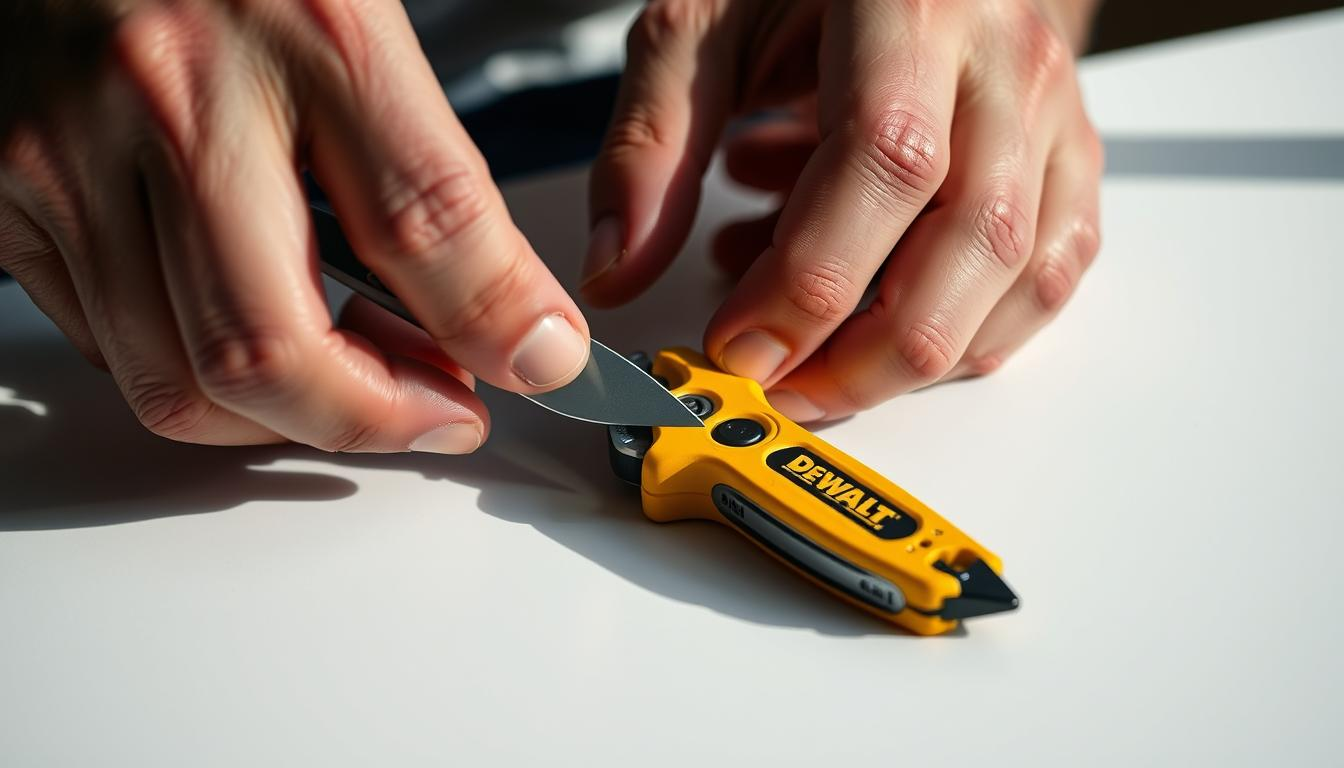
Changing the blade on your DEWALT utility knife is a straightforward process that can be completed with a few simple steps. Whether you’re a professional contractor or a DIY enthusiast, knowing how to replace the blade ensures your tool remains effective and safe to use.
Replacing the blade on your DEWALT utility knife is essential for maintaining its performance and extending its lifespan. This guide will walk you through the process, providing clear instructions to make the task easy and efficient.
Key Takeaways
- Understand the importance of changing the blade on your DEWALT utility knife.
- Learn the step-by-step process for replacing the blade.
- Discover safety tips to avoid accidents during the replacement process.
- Find out how to maintain your DEWALT utility knife for optimal performance.
- Gain confidence in performing the task without professional assistance.
Understanding Your DEWALT Utility Knife
Before diving into the blade replacement process, it’s essential to familiarize yourself with the various models of DEWALT utility knives and their distinct features.
Types of DEWALT Utility Knives
DEWALT offers a range of utility knives, including the premium retractable utility knife and the metal retractable utility knife. Each type is designed for specific tasks and user preferences.
- Premium Retractable Utility Knife: Known for its ergonomic design and smooth blade retraction mechanism.
- Metal Retractable Utility Knife: Built with a robust metal housing for enhanced durability.
Key Features to Note
When using your DEWALT utility knife, there are several key features to be aware of:
| Feature | Description | Benefit |
|---|---|---|
| Blade Lock | A mechanism that secures the blade in place. | Enhances safety during use. |
| Ergonomic Handle | Designed for comfort and grip. | Reduces fatigue during prolonged use. |
| Blade Storage | Some models offer storage for spare blades. | Convenient for quick blade changes. |
Safety Precautions
Safety is paramount when handling utility knives. Always ensure the blade is fully retracted when not in use, and wear protective gear such as gloves and safety glasses.
By understanding your DEWALT utility knife’s features and taking necessary safety precautions, you’ll be well-prepared for the blade replacement process.
Why You Should Change Blades Regularly
Regularly changing the blade on your DEWALT utility knife is crucial for maintaining its effectiveness. A sharp blade not only makes your work easier but also enhances safety by reducing the likelihood of accidents caused by a dull blade.
Benefits of Sharp Blades
A sharp blade is more efficient, allowing for smoother cuts and less effort. This is particularly important when working with various materials, as a sharp blade reduces the risk of tearing or damaging them. Sharp blades also minimize the strain on your hand and wrist, reducing fatigue over prolonged use.
Moreover, using a sharp blade enhances the overall quality of your work. It ensures clean cuts, which is vital for both professional and DIY projects. For instance, when cutting wood or drywall, a sharp blade prevents unnecessary damage, making the finishing process easier.
Preventing Damage to Materials
Changing your DEWALT utility knife blade regularly is also crucial for preventing damage to the materials you’re working with. A dull blade can cause materials like wood to tear or split, ruining the project. By keeping your blade sharp, you ensure that your cuts are precise and clean, preserving the integrity of the material.
Regular blade changes are a simple yet effective way to maintain the quality of your work. Whether you’re working on a construction site or a home improvement project, the importance of a sharp blade cannot be overstated. It’s an easy way to replace DEWALT utility knife blades and ensure your projects are completed to the highest standard.
Tools Required for Blade Change
Having the correct tools is crucial for safely and effectively changing the blade on your DEWALT utility knife. This ensures that the process is smooth and that you can continue working efficiently.
Recommended Tools
To change the blade on your DEWALT utility knife, you will need a few basic tools. These include:
- A Torx screwdriver, which is necessary for unlocking the blade mechanism.
- Pliers, which can be useful for gripping the old blade during removal.
Essential Tools for Blade Change
| Tool | Purpose |
|---|---|
| Torx Screwdriver | Unlocks the blade mechanism |
| Pliers | Grips the old blade for safe removal |
Optional Accessories for Ease
While not necessary, certain accessories can make the blade-changing process easier. These include:
- A workbench or stable surface to secure your utility knife.
- Gloves to protect your hands from cuts and abrasions.
Using these optional accessories can enhance your safety and efficiency when changing the blade.
Preparing for the Blade Change
Before changing the blade on your DEWALT utility knife, it’s crucial to prepare properly. This involves wearing the right safety gear and setting up your workspace to minimize risks.
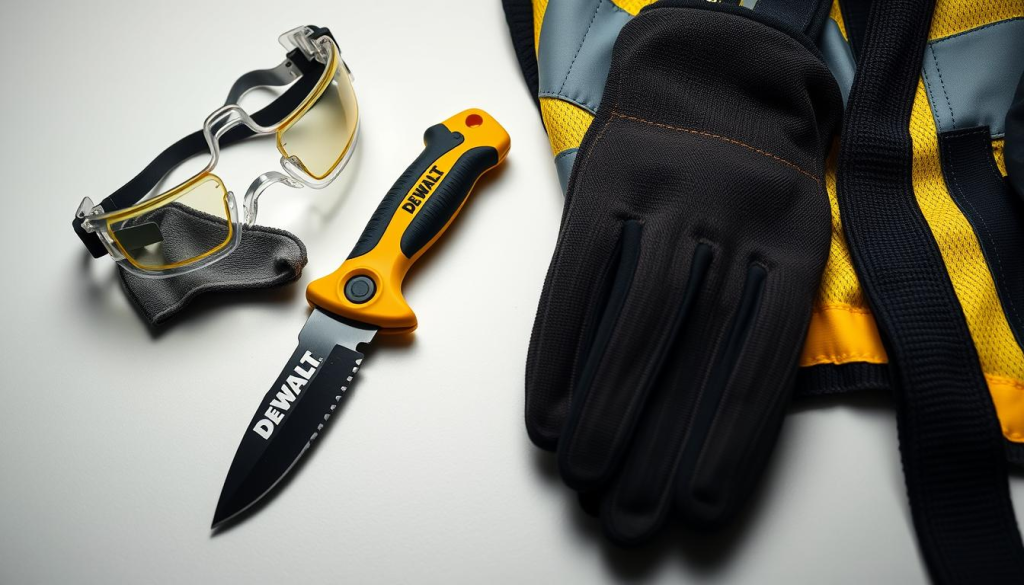
Safety Gear to Wear
Wearing appropriate safety gear is essential to protect yourself from potential injuries during the blade change process. Recommended safety gear includes:
- Gloves to protect your hands from cuts and abrasions
- Safety glasses to prevent eye injuries from flying debris
- A dust mask to avoid inhaling dust or particles
Workspace Setup
A well-organized workspace is vital for a safe and efficient blade change. Ensure your workspace is:
- Clear of clutter and obstructions
- Well-lit to provide clear visibility
- Stable and flat to prevent accidents
A proper workspace setup not only enhances safety but also makes the blade change process smoother.
| Safety Measure | Importance | Benefit |
|---|---|---|
| Wearing Gloves | High | Protects hands from cuts |
| Safety Glasses | High | Prevents eye injuries |
| Dust Mask | Medium | Prevents inhalation of dust |
| Clear Workspace | High | Reduces risk of accidents |
Step-by-Step Instructions for Blade Change
With the right steps, changing the blade on your DEWALT utility knife can be done efficiently and safely. This process involves a few simple actions that ensure your tool remains in good working condition.
Unlocking the Blade Mechanism
The first step in changing the blade is to unlock the blade mechanism. To do this, locate the blade release button or lever on your DEWALT utility knife. Press or flip the release mechanism to open the blade holder. This action will allow you to access the old blade.
It’s crucial to handle this step with care to avoid any accidental injuries. Ensure that the knife is not in a position where it could cause harm if it were to close unexpectedly.
Removing the Old Blade
Once the blade mechanism is unlocked, you can proceed to remove the old blade. Carefully pull out the old blade from the holder. If it’s stuck, you might need to gently wiggle it out. Dispose of the old blade properly, as it may be sharp and cause injury.
“Always handle used blades with caution, as they can be hazardous even after they’ve been removed from the knife.”
Installing the New Blade
To install the new blade, take the replacement blade and align it with the blade holder. Ensure that the blade is properly seated and the teeth are facing the correct direction. Gently push the blade into place until it clicks or is securely held by the mechanism.
After installing the new blade, test the knife to ensure it’s working correctly. Make a few cuts on a scrap piece of material to verify that the blade is properly installed and functioning as expected.
Common Issues and Troubleshooting
Despite the straightforward design of DEWALT utility knives, users may occasionally encounter issues during blade replacement. Understanding these common problems and how to troubleshoot them can save time and frustration.
Blade Won’t Release
If the blade won’t release, it could be due to a few reasons. First, ensure that you’re following the correct procedure for your specific DEWALT utility knife model. Sometimes, the blade mechanism might be stuck due to dried-on debris or excessive wear.
Troubleshooting Steps:
- Check the user manual or manufacturer’s instructions for the correct blade release procedure.
- Inspect the blade mechanism for any debris or residue that might be causing it to stick.
- Apply a small amount of lubricant to the mechanism if it’s dry or corroded.
Difficulty in Installing New Blade
Installing a new blade can sometimes be tricky, especially if it’s not aligned properly or if there’s residual debris in the blade holder.
Troubleshooting Tips:
- Ensure the new blade is properly aligned with the holder before attempting to secure it.
- Clean out any debris from the blade holder before installing the new blade.
- Follow the manufacturer’s instructions for securing the blade to avoid over-tightening or under-tightening.
| Issue | Solution |
|---|---|
| Blade won’t release | Check procedure, clean debris, apply lubricant |
| Difficulty installing new blade | Align properly, clean blade holder, follow manufacturer’s instructions |
Maintaining Your Utility Knife
To ensure your DEWALT utility knife continues to function effectively, regular maintenance is essential. This involves a few straightforward steps that can significantly impact the tool’s performance and lifespan.
Cleaning Your Knife
Cleaning your utility knife regularly is vital to remove debris and residue that can affect its operation. Use a soft brush or cloth to wipe down the blade and the body of the knife. For more thorough cleaning, a damp cloth can be used, but ensure the knife is dried thoroughly afterward to prevent rust.
Tips for Cleaning:
- Use a soft-bristled brush to remove debris from crevices.
- Avoid using harsh chemicals that can damage the knife’s materials.
- Dry the knife thoroughly after cleaning to prevent rust.
Inspecting for Wear and Tear
Regular inspection of your utility knife is crucial to identify any signs of wear and tear. Check the blade for any nicks or dullness, and inspect the handle for any cracks or damage.
| Inspection Area | What to Look For | Action Required |
|---|---|---|
| Blade | Nicks, dullness, or rust | Replace the blade if necessary |
| Handle | Cracks, damage, or wear | Repair or replace the handle if damaged |
| Mechanism | Stiffness, looseness, or debris | Lubricate or clean the mechanism |
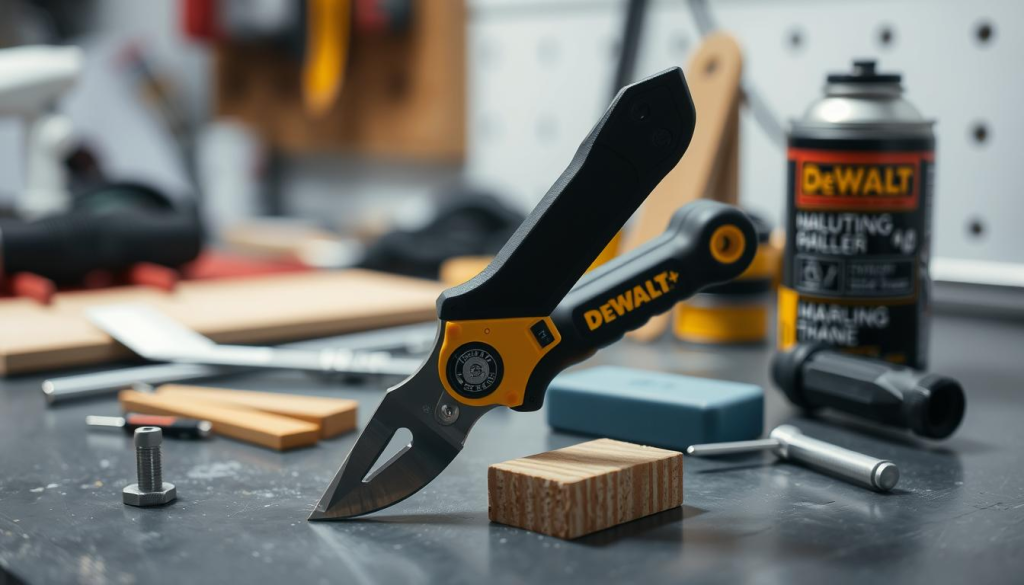
By following these simple maintenance steps, you can extend the life of your DEWALT utility knife and ensure it continues to perform optimally. Regular cleaning and inspection can help prevent issues and maintain the knife’s effectiveness.
Where to Buy Replacement Blades
When it’s time to replace your DEWALT utility knife blade, knowing where to look can save you time and effort. Replacement blades are available from various sources, ensuring you can find the right one for your needs.
Authorized DEWALT Retailers
One of the most reliable places to buy replacement blades is from authorized DEWALT retailers. These retailers offer genuine DEWALT products, guaranteeing quality and compatibility with your utility knife. You can find a list of authorized retailers on the official DEWALT website or by visiting local hardware stores.
Benefits of buying from authorized retailers include:
- Genuine DEWALT products
- Warranty support
- Expert advice from sales staff
Online Purchase Options
For those who prefer the convenience of online shopping, there are several reputable online retailers that sell DEWALT replacement blades. These include DEWALT’s official online store, as well as other well-known online hardware stores.
When shopping online, ensure you’re buying from a trusted seller to avoid counterfeit products. Look for sellers with high ratings and reviews from other customers.
By choosing to buy from authorized retailers or reputable online sellers, you can ensure that your replacement blades are of high quality and designed specifically for your DEWALT utility knife.
Tips for Extending Blade Life
Extending the life of your DEWALT utility knife blade requires attention to how you use and store it. By adopting a few best practices, you can significantly prolong the lifespan of your blades, ensuring they remain effective and efficient throughout their use.
Proper Cutting Techniques
Using the correct cutting technique is crucial for minimizing wear on your DEWALT utility knife blade. Avoid applying too much pressure, as this can cause unnecessary strain on the blade, leading to premature dulling. Instead, use smooth, consistent strokes that allow the blade to do the work. This not only extends the blade’s life but also improves the quality of your cuts.
Additionally, it’s essential to cut in the correct direction. Always cut away from your body and ensure the material you’re cutting is securely held in place to prevent accidents and reduce blade damage.
Storage Suggestions
Proper storage is another critical factor in extending the life of your DEWALT utility knife blade. When not in use, store the knife in a dry, secure location where it won’t be subjected to extreme temperatures or moisture. This helps prevent rust and keeps the blade sharp.
Consider using a protective case or sheath for your utility knife when it’s not in use. This protects the blade from damage and prevents accidents. For users who frequently switch between different tasks, organizing your blades and tools can also help in maintaining their condition.
| Tip | Benefit |
|---|---|
| Use smooth, consistent cutting strokes | Reduces blade wear and improves cut quality |
| Store the knife in a dry, secure location | Prevents rust and maintains blade sharpness |
| Use a protective case or sheath | Protects the blade from damage and prevents accidents |
Additional Resources
To ensure you’re getting the most out of your DEWALT utility knife, consider exploring these additional resources. They can provide valuable information and guidance on maintaining and using your tool effectively.
Official DEWALT Website
The official DEWALT website is a treasure trove of information on their products, including utility knives. You can find detailed product manuals, instructional guides, and FAQs that can help you understand how to change blades and maintain your tool. Visiting the official website is a great way to get authentic information directly from the manufacturer.
Instructional Videos
Instructional videos can be incredibly helpful in understanding the process of changing DEWALT utility knife blades. Websites like YouTube have a plethora of videos created by both professionals and experienced users. These videos can provide step-by-step visual guidance, making it easier to grasp the process. Looking for videos that are highly rated and have a high number of views can ensure you’re getting reliable information.
Conclusion: Mastering Your Utility Knife Blade Changes
Changing the blade on your DEWALT utility knife is a crucial skill for any DIY enthusiast or professional. By following this step-by-step guide on dewalt utility knife blade replacement, you’ve learned how to efficiently replace blades, ensuring your projects are completed with precision and safety.
Skill Development in DIY Projects
Mastering the skill of changing utility knife blades enhances your ability to tackle various DIY projects. It allows for smoother cuts, reduces the risk of accidents, and prolongs the life of your tool. A sharp blade is essential for achieving professional-grade results in your work.
Practicing for Perfection
As with any skill, practice makes perfect. Regularly changing your DEWALT utility knife blades will make you more comfortable and confident in your ability to perform this task. Refer to this dewalt knife blade removal guide whenever you need a refresher, and don’t hesitate to explore additional resources for continued learning.
By incorporating these practices into your routine, you’ll become more efficient and effective in your DIY endeavors, ensuring that your projects are completed to the highest standard.