
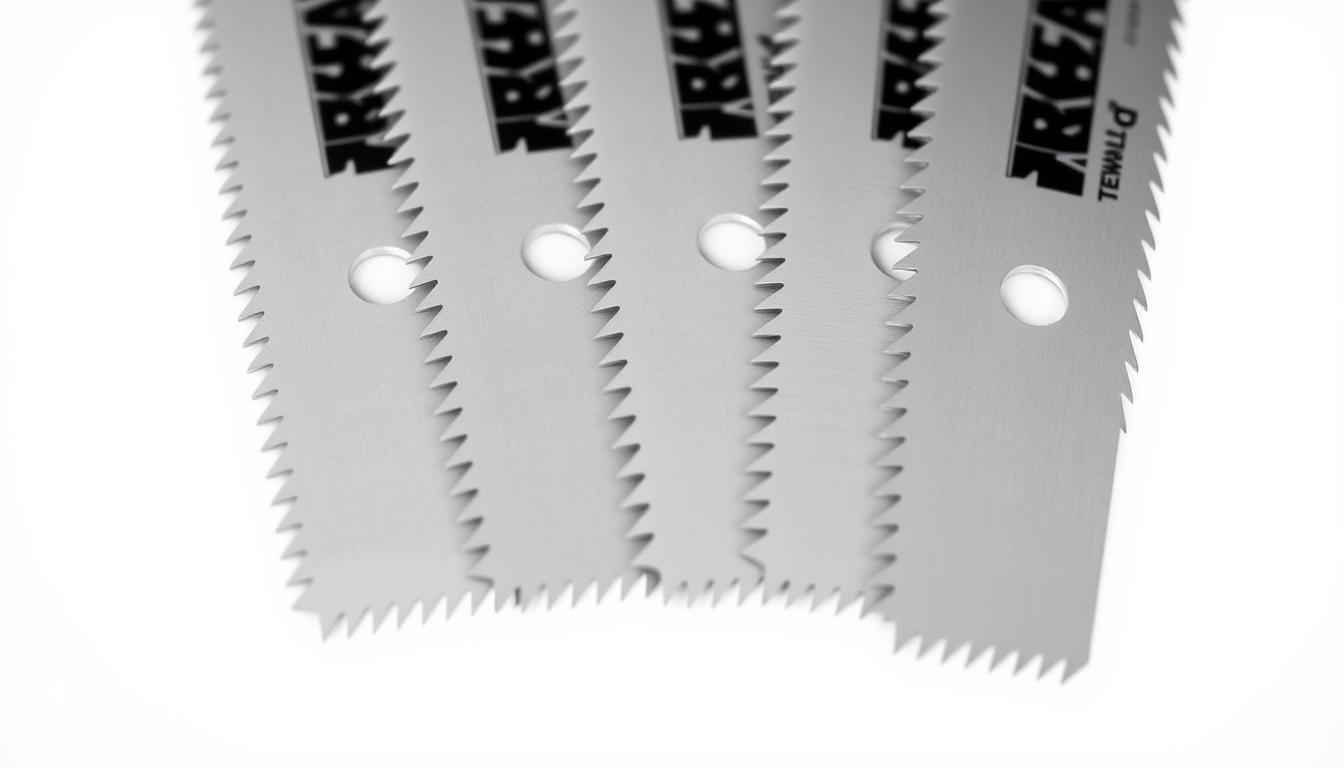
Replacing DeWalt planer blades is a crucial maintenance task for woodworkers. The frequency of replacement depends on usage and the condition of the blades.
Some users have reported using their DeWalt 733 planer for five or six years without changing the blades, while others have found the original blades still usable after several years. However, neglecting to replace worn-out blades can lead to poor planing results and increased strain on the planer.
Understanding when to replace DeWalt planer blades is essential for maintaining the quality of your work and prolonging the life of your tool.
Key Takeaways
- Regularly inspect your DeWalt planer blades for wear and damage.
- Replace blades when you notice a decline in planing quality.
- Consider your usage patterns when determining replacement frequency.
- Proper maintenance can extend the life of your planer blades.
- Neglecting to replace worn blades can damage your planer and affect work quality.
Understanding DeWalt Planer Blades
DeWalt planer blades play a pivotal role in determining the finish and quality of the wood you’re working with. The performance of your DeWalt planer is heavily reliant on these blades, making it crucial to understand their types and the importance of their quality.
Types of DeWalt Planer Blades
DeWalt planers utilize high-speed steel (HSS) planer blades, designed for durability and sharpness. These blades come in various configurations to suit different planer models and woodworking applications. Understanding the types of blades compatible with your DeWalt planer is essential for achieving the desired finish on your woodwork.
The primary types include standard HSS blades and carbide-tipped blades, each offering unique benefits. Standard HSS blades are known for their sharpness and are suitable for most woodworking tasks, while carbide-tipped blades offer extended durability and are ideal for heavy-duty applications or working with hardwoods.
Importance of Quality in Blades
The quality of DeWalt planer blades directly impacts the performance of your planer and the quality of your work. High-quality blades ensure a smooth finish, reduce tear-out, and minimize the need for frequent replacements. Investing in premium blades can significantly enhance your woodworking experience by providing consistent results and reducing maintenance needs.
Moreover, maintaining a regular dewalt planer maintenance schedule that includes checking and replacing blades as needed is vital. The dewalt planer blade replacement frequency depends on usage, but generally, blades should be replaced when they show signs of wear or dulling. This proactive approach not only ensures optimal performance but also extends the lifespan of your planer.
Signs Your Blades Need Replacement
Recognizing when to replace DeWalt planer blades is crucial for maintaining the quality of your woodworking projects. Over time, the blades will wear out, leading to subpar finishes and increased effort to plane wood.
Common Indicators of Dull Blades
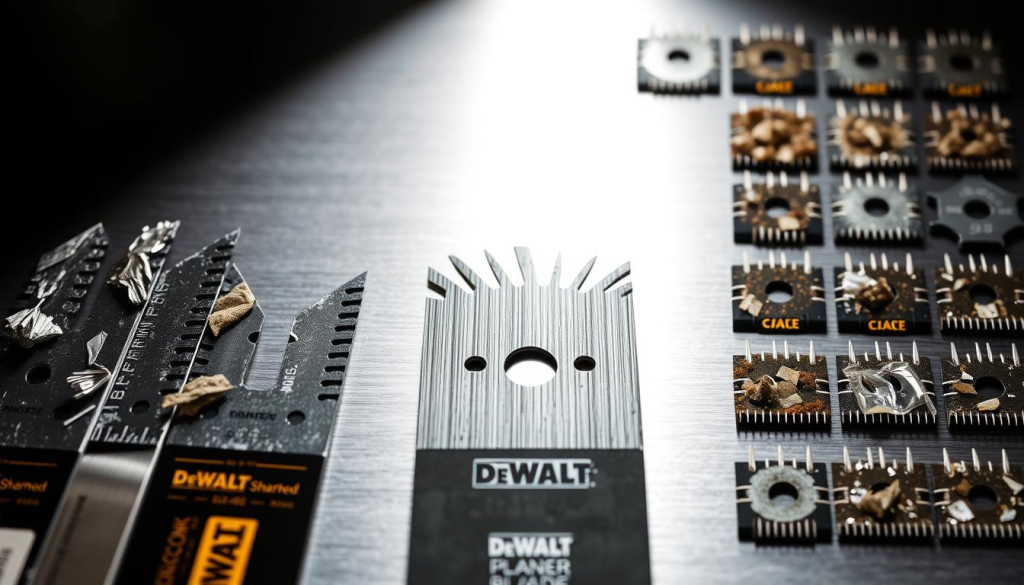
Several signs indicate that your DeWalt planer blades have reached the end of their lifespan. If you notice that you’re having to push the wood through the planer even when taking off a small amount, it’s a clear sign that the blades are dull. Additionally, if the wood surface appears rough or splintered after planing, it’s time to inspect your blades.
Increased tear-out is another indicator of dull blades. When the blades are no longer sharp, they tend to tear the wood fibers instead of cutting them cleanly, resulting in a poor finish.
Impact on Wood Finish
The condition of your DeWalt planer blades directly affects the quality of the wood finish. Dull blades can lead to a rough, uneven surface that requires additional sanding to correct. In contrast, sharp blades ensure a smooth finish, reducing the need for further processing.
Maintaining sharp blades is essential for achieving professional-grade wood finishes. By replacing your DeWalt planer blades when necessary, you can ensure that your projects look their best and that you’re working efficiently.
Recommended Replacement Frequency
Optimizing DeWalt planer blade performance requires knowing the right time for replacement. The frequency of blade replacement is a critical aspect of maintaining your planer’s efficiency and the quality of the finished wood.
General Guidelines for Blade Changes
While the exact replacement interval can vary, there are general guidelines to follow. Typically, DeWalt planer blades should be replaced after a certain number of hours of use or when visible signs of wear appear.
- For heavy users, blades may need to be replaced every 1-3 months.
- Casual users might only need to replace blades every 6-12 months.
The type of wood being planed also plays a significant role in blade longevity. Hardwoods, for instance, tend to dull blades faster than softwoods.
Factors Affecting Replacement Timing
Several factors can influence how often you need to replace your DeWalt planer blades. Understanding these factors can help you optimize blade performance and planer efficiency.
- Type of Wood: As mentioned, hardwoods like oak and maple can dull blades faster than softwoods like pine.
- Usage Frequency: The more you use your planer, the quicker the blades will wear out.
- Maintenance Habits: Regular cleaning and proper storage can extend the life of your blades.
By considering these factors and adhering to general guidelines, you can ensure your DeWalt planer operates at its best, producing high-quality finishes and minimizing downtime.
How to Check Blade Condition
Inspecting your DeWalt planer blades is a straightforward process that can significantly impact your work quality. Regular maintenance checks can help extend the life of your blades and ensure your planer operates efficiently. By understanding how to inspect your blades, you can maintain high-quality finishes on your woodwork.
Visual Inspection Techniques
A visual inspection is the first step in checking the condition of your DeWalt planer blades. Look for signs of wear, such as nicks, chips, or excessive rust on the blades. Use a magnifying glass or a microscope to examine the blades more closely, especially along the cutting edges.
Check the blades for any misalignment or uneven wear, as this can affect the planer’s performance. Ensure that the blades are properly seated and aligned according to the manufacturer’s instructions. Proper alignment is key to maintaining the quality of your work.
Performance Tests to Consider
In addition to visual inspections, performance tests can help determine the condition of your DeWalt planer blades. One simple test is to plane a piece of wood and observe the finish. If the finish is rough or uneven, it may indicate dull or damaged blades. You can also check for increased vibration or noise during operation, as these can be signs of worn or imbalanced blades.

By regularly inspecting your DeWalt planer blades and performing these simple tests, you can identify potential issues early and take steps to address them. This proactive approach can help extend the life of your blades and maintain the performance of your planer. For more tips on dewalt planer blade care, consider consulting the manufacturer’s guidelines or industry resources.
Steps to Change DeWalt Planer Blades
Maintaining the sharpness of your DeWalt planer blades is crucial, and replacing them is a task that can be done with the right instructions. Regularly changing your planer blades ensures that your DeWalt planer continues to perform optimally, providing a smooth finish on your woodwork projects.
Tools You’ll Need
Before starting the replacement process, it’s essential to have the necessary tools at hand. Here’s a list of what you’ll need:
- A replacement set of DeWalt planer blades compatible with your planer model
- A screwdriver or Allen wrench, depending on your planer’s blade securing mechanism
- Gloves to protect your hands from the sharp edges of the blades
- Safety glasses to safeguard your eyes during the process
| Tool | Purpose |
|---|---|
| Replacement Blades | To replace the worn-out blades |
| Screwdriver/Allen Wrench | To remove the screws or bolts securing the blades |
| Gloves | To protect hands from sharp edges |
| Safety Glasses | To protect eyes during the replacement process |
Step-by-Step Replacement Guide
Replacing DeWalt planer blades involves several key steps. Follow this guide carefully to ensure a successful replacement.
- Disconnect the Planer: Ensure the planer is unplugged from the power source to avoid any accidents.
- Remove the Old Blades: Use the appropriate tool to loosen and remove the screws or bolts holding the blades in place. Carefully pull out the old blades.
- Inspect and Clean: Inspect the area where the blades were mounted for any debris or dust. Clean the area thoroughly.
- Install the New Blades: Place the new blades into position, ensuring they are properly aligned. Secure them with the screws or bolts you removed earlier.
- Tighten the Blades: Make sure the blades are securely fastened. Check the manufacturer’s instructions for the correct tightening torque.
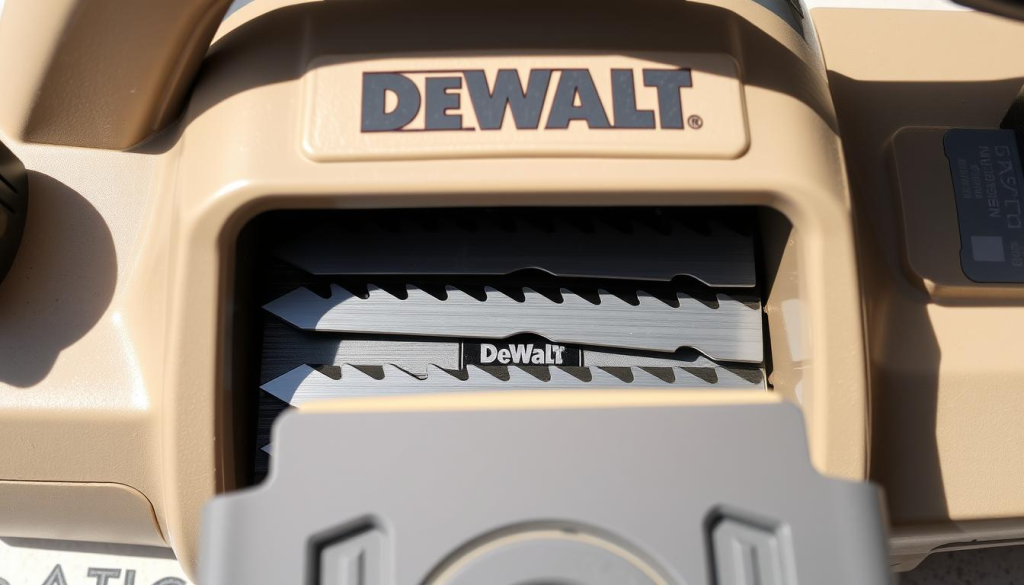
As emphasized by a woodworking expert, “The key to a successful blade replacement is ensuring that the new blades are properly aligned and securely fastened.” Regularly maintaining your DeWalt planer blades and replacing them when necessary is crucial for achieving high-quality finishes in your woodworking projects.
“Proper maintenance of your planer blades, including timely replacement, is essential for maintaining the performance and longevity of your DeWalt planer.”
Blade Maintenance Tips
Proper maintenance of your DeWalt planer blades is crucial for optimal performance and longevity. Regular maintenance not only ensures the quality of your woodworking projects but also extends the life of your blades. By following a few simple tips, you can keep your DeWalt planer blades in top condition.
Cleaning Your Planer Blades
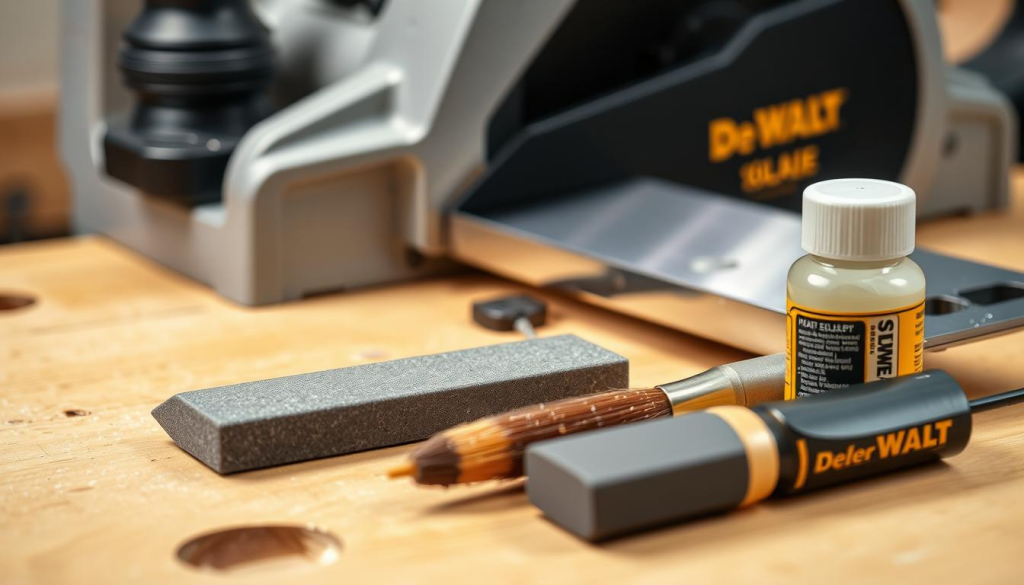
Cleaning your DeWalt planer blades regularly is essential to remove resin and debris that can accumulate during use. To clean the blades, use a soft brush or cloth to gently remove any visible debris. For more thorough cleaning, a mixture of soap and water can be used, but ensure the blades are dried thoroughly afterward to prevent rust.
A clean blade not only performs better but also reduces the risk of damage to your planer. Regular cleaning can be part of your dewalt planer maintenance schedule, ensuring your tool operates at its best.
How to Store Blades Properly
Proper storage of your DeWalt planer blades is just as important as cleaning them. Store the blades in a dry place, away from direct sunlight and moisture. Using a protective case or container can help prevent damage and keep the blades clean.
It’s also a good practice to store blades in a way that they are not touching each other, to prevent dulling or chipping. Labeling the storage container can help you quickly identify the type of blades stored inside.
| Storage Method | Benefits |
|---|---|
| Dry, climate-controlled environment | Prevents rust and corrosion |
| Protective case or container | Protects blades from damage and debris |
| Separate storage for each blade | Prevents blades from touching and damaging each other |
By following these blade maintenance tips, you can significantly extend the life of your DeWalt planer blades and ensure they continue to perform optimally. Regular maintenance is key to knowing when to replace dewalt planer blades, as it allows you to monitor their condition closely.
Cost Considerations for Blade Replacement
Optimizing your DeWalt planer’s performance requires considering the cost implications of blade replacement. The lifespan of DeWalt planer blades and their performance are directly tied to their quality and maintenance.
Budgeting for Replacement Blades
When budgeting for replacement blades, it’s essential to consider the type of projects you undertake most frequently. For heavy-duty projects, high-quality blades may be more cost-effective in the long run due to their longer lifespan and consistent performance.
Here’s a breakdown of factors to consider when budgeting for replacement blades:
| Blade Type | Average Cost | Lifespan | Performance |
|---|---|---|---|
| Standard HSS | $20-$50 | Medium | Good |
| High-Carbon HSS | $30-$70 | Long | Excellent |
| Carbide-Tipped | $50-$100 | Very Long | Exceptional |
Quality vs. Price
The quality of your DeWalt planer blades directly impacts their performance and lifespan. While cheaper blades may seem appealing upfront, they can lead to increased costs over time due to more frequent replacements and potential damage to your planer.
Investing in higher-quality blades can lead to optimizing dewalt planer blade performance and extending the dewalt planer blade lifespan. It’s crucial to balance the initial cost with the long-term benefits and performance.
By understanding the cost considerations and focusing on quality, you can ensure your DeWalt planer operates at its best, providing you with professional-grade results.
Choosing the Right Replacement Blades
To ensure your DeWalt planer continues to operate effectively, choosing the correct replacement blades is essential. The right blades not only improve the planer’s performance but also extend its lifespan.
Compatibility with Your DeWalt Planer
Before purchasing replacement blades, it’s crucial to verify their compatibility with your DeWalt planer model. Check the user manual or manufacturer’s website for specifications. Using incompatible blades can lead to poor performance and potential damage to your planer.
- Check the planer model’s specifications.
- Verify the blade type recommended by the manufacturer.
- Consider the material and quality of the blades.
Top Brands to Consider
Several reputable brands offer high-quality replacement blades for DeWalt planers. Some of the top brands include:
- DeWalt – Original equipment manufacturer.
- CMT – Known for high-quality cutting tools.
- Freud – Offers a range of planer blades with advanced features.
When selecting a brand, consider factors such as blade material, sharpness, and durability. Extending the life of DeWalt planer blades involves proper care and maintenance, including regular cleaning and correct storage.
To maximize the lifespan of your planer blades, follow these DeWalt planer blade care tips:
- Regularly inspect blades for damage or wear.
- Clean blades after each use to prevent resin buildup.
- Store blades in a dry, secure location to prevent damage.
Conclusion: Keeping Your Planer in Top Shape
Maintaining DeWalt planer blade sharpness is crucial for achieving smooth cuts and preventing damage to the wood. Regular inspection and timely replacement of dull blades are essential for optimal performance.
Regular Maintenance Matters
Regular maintenance not only extends the life of your DeWalt planer but also ensures that it continues to deliver high-quality results. By keeping your blades sharp, you can avoid common issues such as tear-out and uneven cuts.
Timing is Everything
The third source highlights the importance of timely replacement. By replacing dull blades at the right time, you can maintain the sharpness of your DeWalt planer blades and keep your planer in top shape.
By following the guidelines outlined in this article, you can ensure that your DeWalt planer continues to perform at its best, delivering professional-grade results with every use.