
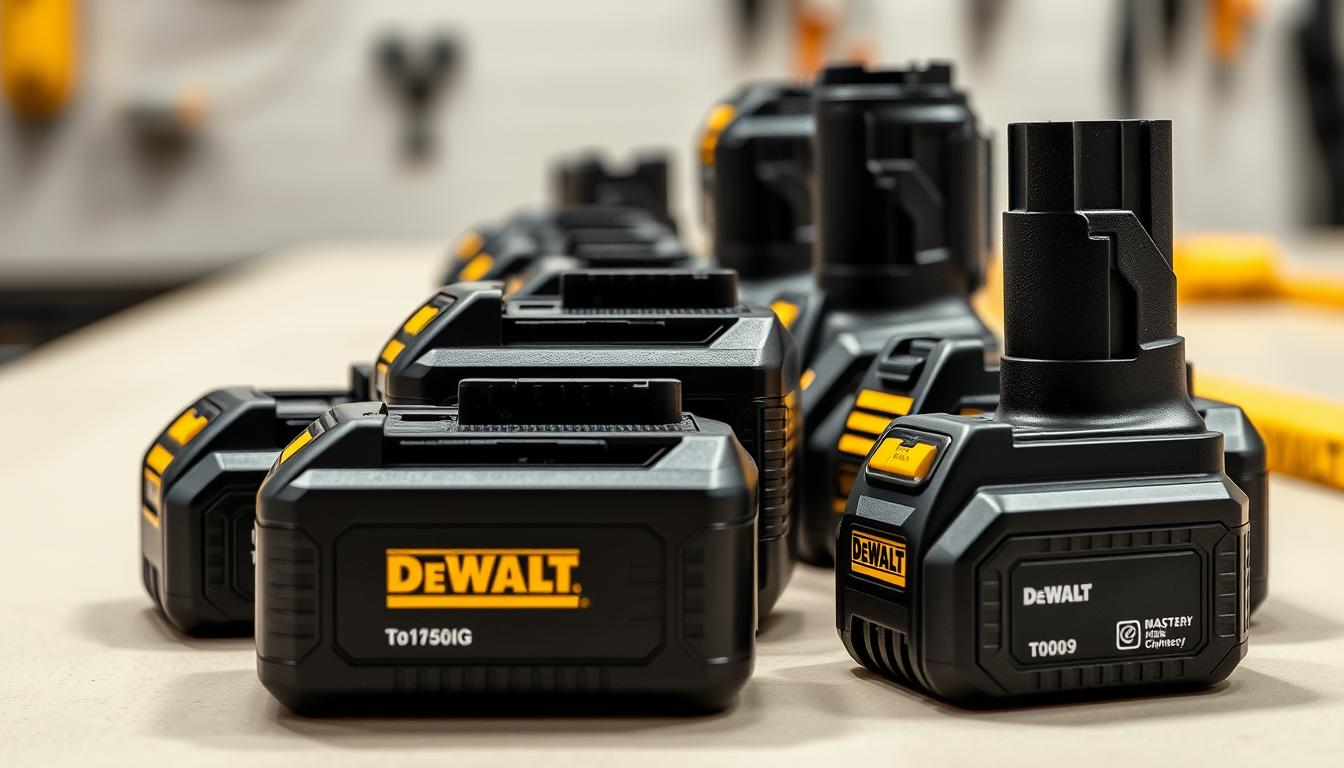
DeWalt has established a reputation for producing high-quality cordless equipment that consistently ranks among the best power tools. One key factor contributing to their success is the variety of battery formats available, catering to diverse user needs.
The compatibility of DeWalt batteries across different tools is a crucial consideration for users. Understanding which batteries are interchangeable can help users make informed decisions when selecting tools and batteries.
DeWalt’s commitment to producing durable and reliable batteries has earned them a loyal customer base. By exploring the compatibility of DeWalt batteries, users can maximize their investment and enjoy the convenience of using the same battery across multiple tools.
Key Takeaways
- DeWalt offers a range of battery formats to suit different user needs.
- Understanding battery compatibility is essential for making informed purchasing decisions.
- DeWalt’s focus on durability and reliability has contributed to their reputation in the power tool industry.
- Interchangeable batteries can help users maximize their investment.
- DeWalt’s compatibility across tools provides users with convenience and flexibility.
Understanding DeWalt Battery Compatibility
Understanding the compatibility of DeWalt batteries is essential for maximizing the utility of your power tools. DeWalt offers a wide range of batteries with varying capacities and voltages, making it crucial to understand which batteries are interchangeable and compatible with your tools.
What Are DeWalt Batteries?
DeWalt batteries are rechargeable power sources designed for use with DeWalt power tools. They come in different voltages and capacities, such as 2Ah and 12Ah, catering to various applications from DIY projects to heavy-duty professional use. The 20V MAX and 60V MAX series are among the most popular, offering a balance between power and portability.
Importance of Battery Compatibility
Battery compatibility is crucial because using an incompatible battery can lead to reduced tool performance, damage to the tool, or even safety hazards. Ensuring that your DeWalt battery is compatible with your tool is vital for optimal performance and longevity. Compatible batteries allow for seamless interchangeability across different tools within the same voltage series, enhancing versatility and convenience.
How DeWalt Engines Utilize Batteries
DeWalt engines are designed to efficiently utilize batteries to deliver high performance. The DeWalt 20V Max Drill/Driver Kit, for example, comes with a 2Ah battery, which is sufficient for most DIY tasks. For more demanding applications, higher capacity batteries like the 12Ah Flexvolt are available, providing extended runtime and increased power. Understanding how different DeWalt engines utilize batteries can help you choose the right battery for your needs.
Battery Series Overview
DeWalt’s battery lineup includes several series, each tailored to specific tool categories and user needs. This diversity in battery options ensures that users can choose the most appropriate power source for their tools, enhancing performance and convenience.
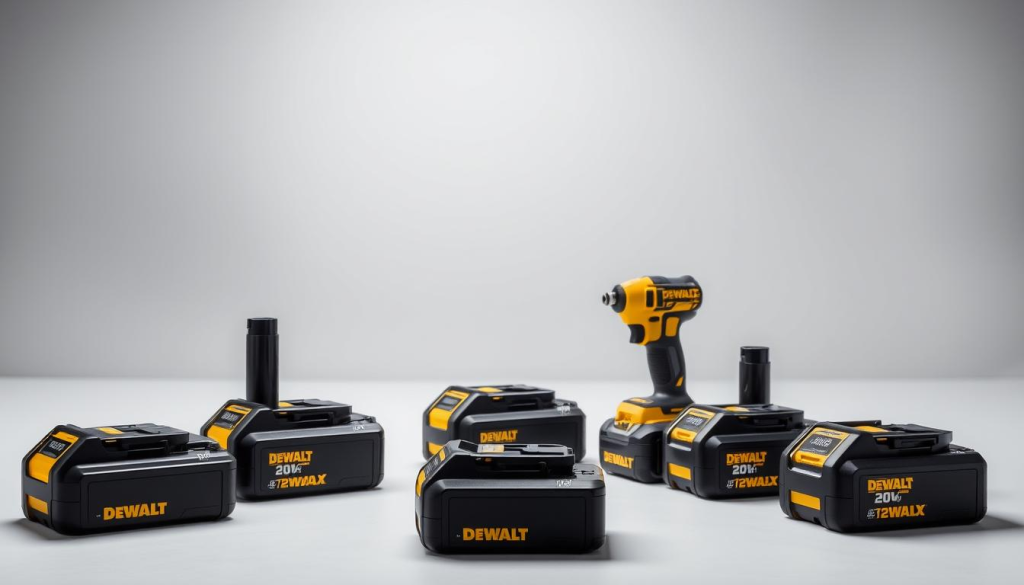
20V MAX Series
The 20V MAX series is one of DeWalt’s most popular battery lines, known for its balance between power and portability. These batteries are designed to be compact and lightweight, making them ideal for a wide range of cordless tools, from drills to impact drivers. The interchangeable DeWalt battery packs within this series allow users to share batteries across multiple tools, reducing the need for multiple batteries and enhancing cost-effectiveness.
60V MAX Series
The 60V MAX series is designed for heavy-duty applications, offering higher voltage and longer runtime. These batteries are typically used in more demanding tools and equipment, such as large lawn mowers and heavy-duty saws. The increased voltage provides the power needed for tougher tasks, making the 60V MAX series a preferred choice among professionals.
12V MAX Series
DeWalt introduced the 12V Max system in 2010, and since then, all 12V batteries have been interchangeable with all 12V tools, including the latest Xtreme range. This series is particularly useful for smaller tools and applications where less power is required. The compatibility within this series has been a significant advantage, allowing users to expand their tool collections without worrying about battery compatibility.
Understanding the characteristics of each DeWalt battery series is crucial for selecting the right DeWalt power tool battery options. By choosing the appropriate series, users can ensure optimal performance and extend the lifespan of their tools.
Identifying Interchangeable Models
The ability to identify interchangeable DeWalt battery models is essential for maximizing tool utility. DeWalt’s battery lineup offers various options, but not all batteries are compatible with every tool. Understanding which batteries can be used interchangeably is crucial for users who want to expand their toolkit without being limited by battery compatibility.
Common Interchangeable Batteries
DeWalt’s Flexvolt batteries are among the most versatile options available. These batteries are compatible with both 60V and 20V tools, making them highly adaptable for different tasks. As noted by industry experts, “Flexvolt batteries represent a significant advancement in battery technology, offering users the flexibility to use the same battery across multiple tools and voltage requirements.”
“The flexibility of Flexvolt batteries is unmatched, allowing for seamless transitions between different tools and projects.”
Flexvolt batteries can be charged by both 60V and 20V DeWalt chargers, further enhancing their versatility. However, it’s important to note that Flexvolt tools specifically require Flexvolt batteries to operate and are not compatible with standard DeWalt 20V batteries. This distinction is crucial for users to understand to ensure they are using the correct batteries for their tools.
Series Cross-Compatibility
DeWalt’s battery series, including the 20V MAX, 60V MAX, and 12V MAX, offer varying levels of cross-compatibility. The 20V MAX series is one of the most widely used and is compatible with a broad range of DeWalt tools. The 60V MAX series, on the other hand, is designed for heavier-duty applications and is compatible with Flexvolt batteries. Understanding the cross-compatibility within these series can help users make informed decisions about their tool and battery purchases.
Key Considerations for Cross-Compatibility:
- Flexvolt batteries are compatible with 60V and 20V tools.
- Flexvolt tools require Flexvolt batteries.
- 20V MAX batteries are not compatible with Flexvolt tools.
By understanding these compatibility factors, DeWalt users can optimize their toolkit and ensure they are using the most appropriate batteries for their needs.
Advantages of Using Compatible Batteries
Compatible DeWalt batteries offer a trio of benefits: cost-effectiveness, reduced waste, and increased versatility. By choosing batteries that can be used across multiple tools, users can maximize their investment and enjoy a more streamlined tool experience.
Cost-Effectiveness
One of the primary advantages of using compatible DeWalt batteries is the cost-effectiveness they offer. By having a battery that can be used with multiple tools, users can reduce the number of batteries they need to purchase, thereby saving money. For instance, if you have several DeWalt tools, using the same battery across them can significantly cut down on your overall expenditure on batteries.
Key cost benefits include:
- Reduced need for multiple battery purchases
- Lower overall cost of ownership for DeWalt tools
- Ability to use existing batteries with new tools, reducing additional costs
Reducing Waste
Using compatible batteries also contributes to reducing waste. By extending the life of batteries and minimizing the number of batteries that end up in landfills, users can make a positive environmental impact. DeWalt batteries are designed to be durable, and when used compatibly, they can significantly reduce electronic waste.
“Reducing, Reusing, and Recycling are crucial steps towards a more sustainable future. Using compatible batteries is a simple yet effective way to contribute to this cause.”
Versatility in Tools
The versatility offered by compatible DeWalt batteries is another significant advantage. Users can switch between tools without needing to worry about having the right battery for each device. This flexibility is particularly beneficial for professionals who use a variety of DeWalt tools on the job.
For example, a contractor who uses DeWalt drills, saws, and impact drivers can use the same battery across these tools, making it easier to manage their equipment and work more efficiently.
Tools That Use Interchangeable Batteries
DeWalt’s interchangeable battery system is a game-changer for professionals and DIYers alike, offering versatility across a range of tools. This flexibility is one of the key advantages of choosing DeWalt for your power tool needs.
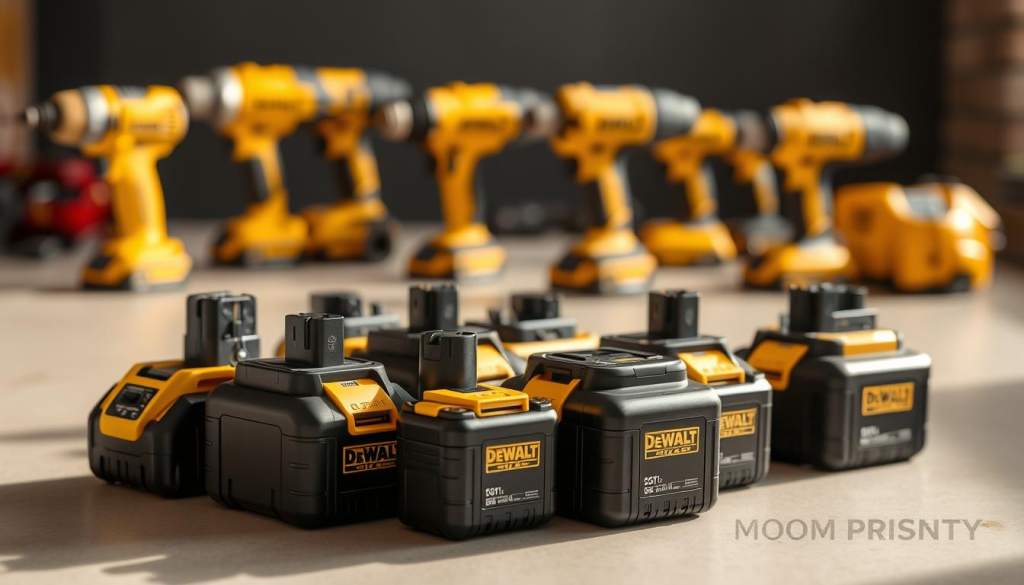
The range of DeWalt tools that utilize interchangeable batteries is vast and varied, catering to different tasks and user preferences. Whether you’re working on a construction site or tackling a home improvement project, DeWalt’s battery compatibility ensures that you’re always equipped with the right tool for the job.
Cordless Drills
Cordless drills are among the most popular DeWalt tools that benefit from interchangeable batteries. These drills offer the convenience of portability and the power to handle demanding drilling tasks. With DeWalt’s cordless drills, users can enjoy extended runtime and reliable performance, thanks to the company’s advanced battery technology.
Circular Saws
DeWalt’s circular saws are another example of tools that utilize interchangeable batteries. These saws are designed for precision and power, making them ideal for a variety of cutting tasks. The use of interchangeable batteries means that users can easily swap batteries between tools, reducing downtime and increasing productivity.
Impact Drivers
Impact drivers are also part of DeWalt’s lineup of tools that use interchangeable batteries. These drivers are known for their high torque and efficiency, making them perfect for driving large screws or loosening stuck fasteners. With DeWalt’s impact drivers, users can enjoy enhanced performance and durability, backed by the company’s commitment to quality.
In conclusion, DeWalt’s range of tools that use interchangeable batteries is a testament to the company’s innovative approach to power tool design. By offering a wide range of compatible tools, DeWalt empowers users to work more efficiently and effectively, whether they’re professionals or DIY enthusiasts.
How to Choose the Right Battery
The key to maximizing your DeWalt tool’s potential lies in selecting the appropriate battery. Choosing the right DeWalt battery involves considering several critical factors that impact both performance and longevity.
Analyzing Power Needs
Understanding the power requirements of your DeWalt tool is essential. Different tools have varying power needs, and using a battery that matches these needs is crucial. For instance, heavy-duty tools like circular saws and impact drivers require more power than smaller tools like drills.
Evaluating Battery Life
Battery life is another critical factor. DeWalt batteries come with different ampere-hour (Ah) ratings, which indicate how long a battery will last on a single charge. Higher Ah ratings mean longer battery life, but they may also increase the weight and cost of the battery.
Considering Voltage Differences
It’s vital to ensure that the battery voltage matches the tool’s voltage requirement. DeWalt tools operate on various voltage platforms, including 20V MAX, 60V MAX, and 12V MAX. Using a battery with a voltage that doesn’t match the tool can lead to poor performance or damage to the tool.
To help you make an informed decision, here’s a comparison table of DeWalt battery series and their characteristics:
| Battery Series | Voltage | Ampere-Hour (Ah) Rating | Compatibility |
|---|---|---|---|
| 20V MAX | 20V | 1.5Ah – 5Ah | Most DeWalt 20V tools |
| 60V MAX | 60V | 2Ah – 9Ah | High-performance DeWalt tools |
| 12V MAX | 12V | 1.3Ah – 2Ah | Compact DeWalt tools |
By considering these factors and understanding the specifications of DeWalt batteries, you can make an informed decision that enhances your tool’s performance and extends its lifespan.
Tips for Maintaining DeWalt Batteries
Maintaining your DeWalt batteries correctly can significantly enhance their performance and longevity. To achieve this, it’s essential to follow a few key guidelines that cover charging, storage, and identifying wear.
Proper Charging Practices
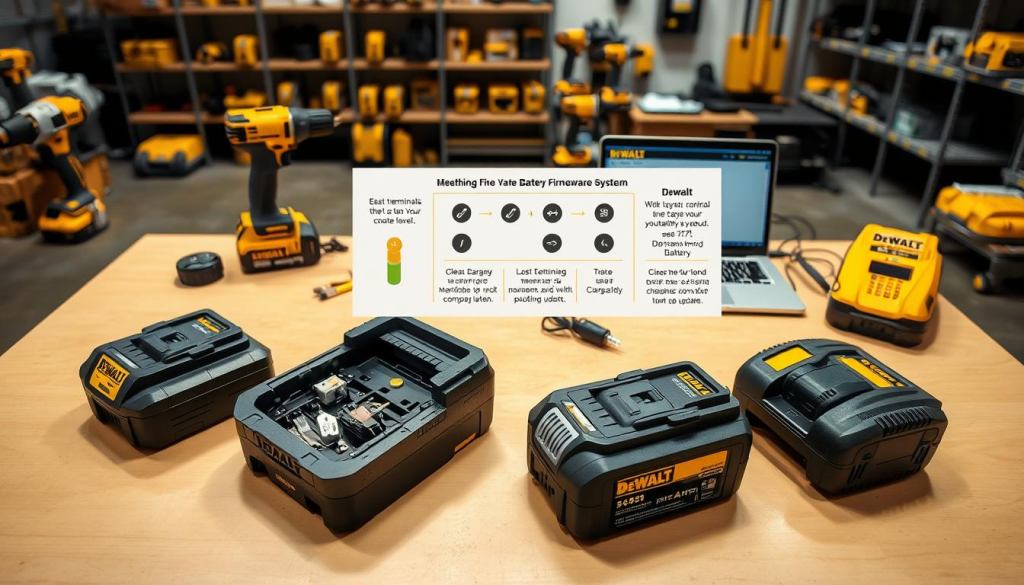
One of the most critical aspects of maintaining your DeWalt batteries is adopting proper charging practices. This includes avoiding overcharging, which can significantly reduce the battery’s lifespan. It’s recommended to use the charger provided with your DeWalt tool or a compatible replacement. Always follow the manufacturer’s instructions for charging, and avoid leaving batteries on the charger for extended periods after they are fully charged.
Monitoring the charging process can also help in maintaining the health of your batteries. Modern DeWalt chargers often come with features like overcharge protection, but it’s still important to be mindful of the charging time.
Storage Guidelines
How you store your DeWalt batteries can have a significant impact on their longevity. Store batteries in a cool, dry place, away from metal objects that could cause a short circuit. It’s also advisable to store batteries in a protective case when not in use to prevent damage.
For long-term storage, it’s recommended to charge the batteries to about 50% capacity. This helps in maintaining the battery’s health by preventing it from being stored in a completely discharged state, which can cause damage.
Signs of Battery Wear
Understanding the signs of battery wear can help you identify when it’s time to replace your DeWalt batteries. Common indicators include a noticeable decrease in runtime, the battery not holding a charge, or physical damage such as swelling or leakage.
Regularly inspecting your batteries for these signs can help you plan for replacements and avoid being caught off guard when a battery fails. Additionally, maintaining your tools and batteries according to the manufacturer’s guidelines can help in prolonging their lifespan.
By following these tips for maintaining your DeWalt batteries, you can ensure they continue to power your tools effectively and efficiently. Whether you’re a professional or a DIY enthusiast, taking care of your batteries is an investment in your work.
Frequently Asked Questions
Many users have questions about DeWalt batteries, from compatibility to troubleshooting. Understanding the answers to these common questions can help users get the most out of their DeWalt power tools.
Can I Use a Higher Voltage Battery?
Using a higher voltage battery than recommended can potentially damage your DeWalt tool or pose a safety risk. DeWalt tools are designed to operate within specific voltage ranges, and exceeding these can lead to inefficiencies or hazards. It’s essential to check the tool’s manual or manufacturer’s guidelines to determine the appropriate voltage for your specific DeWalt tool.
Key Considerations:
- Check the tool’s manual for recommended voltage.
- Understand that higher voltage doesn’t always mean better performance.
- Using the correct voltage ensures safety and tool longevity.
How to Know if My Battery Is Interchangeable?
DeWalt batteries are designed with cross-compatibility in mind, but not all batteries are interchangeable with every DeWalt tool. To determine if your battery is compatible with a particular tool, check the battery series and voltage. DeWalt’s 20V MAX, 60V MAX, and 12V MAX series are designed to be compatible within their respective series. Refer to the DeWalt website or consult with an authorized dealer to confirm compatibility.
| Battery Series | Compatible Tools | Voltage |
|---|---|---|
| 20V MAX | Most DeWalt 20V tools | 20V |
| 60V MAX | High-performance DeWalt tools | 60V |
| 12V MAX | Compact DeWalt tools | 12V |
What Should I Do If My Battery Is Not Working?
If your DeWalt battery is not working, there are several troubleshooting steps you can take. First, ensure the battery is properly charged and that the contacts are clean. If the issue persists, try using the battery with a different DeWalt tool to isolate the problem. If the battery still doesn’t work, it may be faulty or at the end of its lifespan.
“Regular maintenance, such as cleaning the contacts and proper storage, can extend the life of your DeWalt batteries.”
Troubleshooting Steps:
- Check the battery charge level.
- Clean the battery contacts.
- Test the battery with another compatible tool.
Conclusion: Maximizing Your DeWalt Battery Use
Understanding what DeWalt batteries are interchangeable is crucial for maximizing your investment in DeWalt products. By knowing which batteries can be used across different tools, you can enhance your toolkit’s versatility and reduce waste.
Key Takeaways
The DeWalt battery lineup offers various series, including the 20V MAX, 60V MAX, and 12V MAX, each with its own set of compatible tools. Identifying dewalt interchangeable batteries allows you to make the most of your existing batteries and tools.
When choosing a DeWalt battery, consider your power needs, battery life, and voltage differences. Proper maintenance, such as correct charging practices and storage, can also extend the life of your batteries.
Exploring DeWalt Options
With a range of tools that use interchangeable batteries, such as cordless drills, circular saws, and impact drivers, you can build a comprehensive toolkit. By exploring different DeWalt battery models and tools, you can find the perfect combination to suit your needs.
DeWalt’s interchangeable battery system provides the flexibility to adapt your toolkit as your needs evolve. Discover what dewalt batteries are interchangeable and start maximizing your DeWalt battery use today.