
DEWALT’s transition from 18V to 20V Max batteries marked a significant milestone in the power tool industry. This update not only enhanced performance but also provided users with greater flexibility and convenience.
In 2011, DEWALT introduced the 20V Max cordless power tool system, revolutionizing their battery lineup. This shift was a response to the evolving needs of professionals and DIYers alike, offering improved runtime and durability.
The dewalt battery changes were designed to meet the demands of a changing market, where users required more powerful and reliable tools.
Key Takeaways
- DEWALT updated their batteries in 2011.
- The new 20V Max system replaced the 18V lineup.
- This change improved tool performance and user convenience.
- The update was driven by market demands for more powerful tools.
- DEWALT’s 20V Max system offers enhanced runtime and durability.
A Brief Overview of DEWALT’s Battery Evolution
DEWALT’s journey in battery development has been marked by significant milestones, from nickel-cadmium to lithium-ion batteries. The company’s commitment to innovation has driven the power tool industry forward, with battery technology playing a crucial role.
The Origins of DEWALT Batteries
DEWALT’s battery history began with nickel-cadmium (NiCd) batteries, which were the industry standard at the time. These batteries provided a reliable source of power but had limitations, such as relatively low energy density and environmental concerns due to the toxic nature of cadmium.
The use of NiCd batteries was widespread, but as technology advanced, DEWALT began to explore alternative battery chemistries that could offer improved performance and reduced environmental impact.
Key Milestones in Battery Technology
One of the significant milestones in DEWALT’s battery evolution was the introduction of lithium-ion (Li-ion) batteries. Li-ion batteries offered several advantages over NiCd, including higher energy density, longer cycle life, and reduced self-discharge.
In 2011, DEWALT launched its 20V Max lineup, which became a significant milestone in the company’s battery history. This lineup provided users with a versatile and powerful battery platform that could be used across a range of DEWALT tools.
Overview of the DEWALT Battery Series
DEWALT’s battery series has expanded over the years to include a range of voltage options, from 12V to 60V. Each voltage option is designed to meet specific user needs, whether it’s for compact tools or heavy-duty applications.
The company’s battery lineup now includes various lithium-ion battery series, each with its own set of features and benefits. Users can choose from a range of battery packs, including compact batteries for smaller tools and high-capacity batteries for demanding applications.
The Transition to Lithium-Ion Batteries
With the introduction of lithium-ion batteries, DEWALT set a new standard for power tool reliability and efficiency. This significant shift in battery technology was driven by the need for improved performance and durability.
Reasons for Switching from NiCd to Li-Ion
DEWALT’s decision to transition from Nickel-Cadmium (NiCd) batteries to Lithium-Ion (Li-Ion) batteries was motivated by several key factors. Li-Ion batteries offer higher energy density, longer cycle life, and reduced self-discharge, making them a more reliable choice for power tools.
The limitations of NiCd batteries, such as their relatively low energy density and toxicity, also played a role in the transition. In contrast, Li-Ion batteries are more environmentally friendly and provide a more consistent power output.
Benefits of Lithium-Ion Technology
The adoption of Li-Ion technology has brought numerous benefits to DEWALT’s power tools. These include improved runtime, faster charging times, and increased overall efficiency. Li-Ion batteries also require less maintenance, as they do not suffer from the “memory effect” that can reduce the capacity of NiCd batteries.
- Higher energy density
- Longer cycle life
- Reduced self-discharge
- Faster charging times
Timeline of the Transition
DEWALT began transitioning to Li-Ion batteries in the early 2000s, with a gradual phase-out of NiCd batteries over the next decade. By the 2010s, Li-Ion had become the standard battery technology for DEWALT power tools.
This transition was part of a broader industry shift towards more advanced battery technologies. DEWALT’s commitment to innovation and customer satisfaction drove the adoption of Li-Ion batteries, resulting in improved tool performance and user experience.
Impact on DEWALT Tool Performance
The shift in DEWALT’s battery technology has significantly influenced the overall performance of their power tools. This change has brought about improvements in tool efficiency and has also raised concerns regarding compatibility with older models.
How Battery Changes Affect Tool Efficiency
The transition to lithium-ion batteries has been a game-changer for DEWALT. Lithium-ion technology offers higher energy density, longer cycle life, and reduced self-discharge compared to older battery technologies. As a result, DEWALT tools equipped with lithium-ion batteries run more efficiently and have a longer runtime.
DEWALT’s battery update has enabled their tools to deliver consistent power output, even under heavy loads. This is particularly beneficial for professionals who rely on their tools for extended periods.
Compatibility with Older Models
One of the primary concerns with DEWALT’s battery changes is compatibility with older tool models. While many newer tools are designed to work with the latest lithium-ion batteries, some older models may not be compatible.
To understand the compatibility issues, let’s examine the following table:
| Tool Model | Battery Type | Compatibility |
|---|---|---|
| DEWALT 18V | NiCd | No |
| DEWALT 20V MAX | Li-Ion | Yes |
| DEWALT 12V | NiMH | No |
As shown in the table, DEWALT’s newer 20V MAX tools are compatible with the latest lithium-ion batteries, while older models using NiCd or NiMH batteries are not.
In conclusion, the dewalt battery update has significantly enhanced tool performance, offering improved efficiency and runtime. However, users should be aware of potential compatibility issues with older models.
DEWALT Battery Types and Their Uses
DEWALT offers a diverse array of battery types, each designed to meet specific needs and enhance tool performance. The company’s commitment to innovation has led to the development of various battery voltage options and specialty batteries tailored for specific tools.
Overview of Battery Voltage Options
DEWALT batteries come in several voltage options, including 12V, 20V, and 60V. Each voltage rating is designed for specific applications, ranging from compact tools to heavy-duty equipment.
- 12V Batteries: Ideal for compact tools and applications where space is limited.
- 20V Batteries: The most versatile option, suitable for a wide range of DEWALT tools, from drills to saws.
- 60V Batteries: Designed for heavy-duty applications, providing the power needed for demanding tasks.
According to DEWALT, “Our battery lineup is designed to provide users with the right power source for their tools, ensuring optimal performance and efficiency.”
“The right battery can make all the difference in tool performance,” said a DEWALT spokesperson.
| Battery Voltage | Typical Applications | Key Features |
|---|---|---|
| 12V | Compact tools, small projects | Lightweight, compact design |
| 20V | General-purpose tools, DIY projects | Versatile, compatible with a wide range of DEWALT tools |
| 60V | Heavy-duty applications, professional use | High power output, durable construction |
Specialty Batteries for Specific Tools
DEWALT also offers specialty batteries, such as the Flexvolt and PowerStack lines, designed for specific tools and applications.
Flexvolt Batteries: These batteries are designed to be compatible with both 20V and 60V tools, offering flexibility and convenience. They are ideal for users who work with a variety of tools across different voltage platforms.
PowerStack Batteries: Known for their compact design and high energy density, PowerStack batteries are perfect for users who need a lot of power in a small package.
By understanding the different types of DEWALT batteries and their uses, users can make informed decisions when selecting batteries for their tools, ensuring optimal performance and efficiency.
How the Change Affects Users Today
Users have experienced a notable difference since DEWALT changed their battery technology. The transition has brought about both positive and negative feedback from the user community.
User Feedback on Battery Changes
Many users have praised the new battery technology for its improved efficiency and longer lifespan. For instance, a user on a popular DIY forum mentioned,
“The new DEWALT batteries have been a game-changer for my projects. They last longer and charge faster.”
However, some users have expressed concerns about compatibility with older tools.
Some key points from user feedback include:
- Improved battery life
- Faster charging times
- Concerns about compatibility with older models
Common FAQs About DEWALT Batteries
Users often have questions about the new battery technology, including compatibility and performance.
Some common FAQs include:
- Are new DEWALT batteries compatible with older tools?
- How long do the new DEWALT batteries last?
- Can I still buy the older battery models?
Here are the answers to these FAQs:
- Most new DEWALT batteries are backward compatible, but it’s always best to check the specific tool’s manual.
- The new DEWALT batteries can last up to 5 years or more with proper care.
- Older battery models may still be available through certain retailers or online marketplaces.
In conclusion, while the change in DEWALT’s battery technology has received mixed reviews, the overall trend suggests a positive impact on users due to improved efficiency and performance.
DEWALT’s Commitment to Innovation
DEWALT continues to push the boundaries of battery technology, enhancing their tools’ performance and user experience. This commitment to innovation is reflected in their ongoing research and development efforts, as well as their adoption of emerging trends in battery power.
Research and Development in Battery Technology
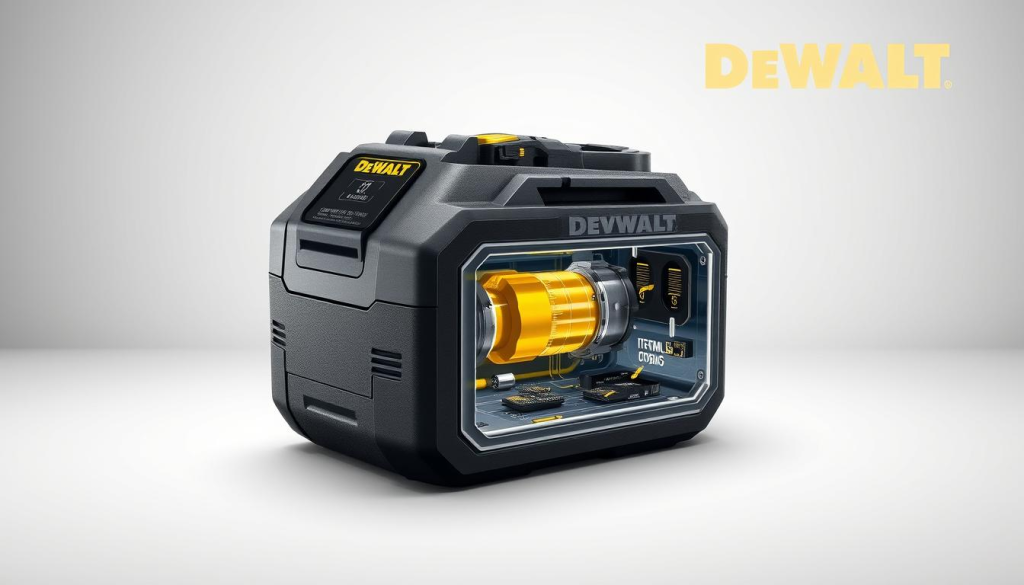
DEWALT’s research and development team is dedicated to improving battery technology, focusing on increasing energy density, reducing charging times, and enhancing overall tool performance. Their efforts have led to significant advancements in lithium-ion battery technology, including the development of theirPowerStack battery line, which offers improved runtime and durability.
The PowerStack battery line represents a significant milestone in DEWALT’s battery evolution, providing users with a more efficient and reliable power solution. This innovation is a result of DEWALT’s commitment to staying at the forefront of battery technology.
Future Trends in Battery Power
As the power tool industry continues to evolve, DEWALT is well-positioned to capitalize on emerging trends in battery technology. Some of the key trends shaping the future of battery power include the development of more efficient charging systems, the integration of advanced battery management systems, and the adoption of new battery chemistries.
| Trend | Description | Impact |
|---|---|---|
| Efficient Charging Systems | Fast charging technology that reduces downtime | Increased productivity |
| Advanced Battery Management | Systems that optimize battery performance and longevity | Improved tool reliability |
| New Battery Chemistries | Emerging chemistries that offer improved energy density | Enhanced tool performance |
By staying at the forefront of these trends, DEWALT is poised to continue delivering innovative battery solutions that meet the evolving needs of professionals and DIYers alike.
Comparing DEWALT to Competitors
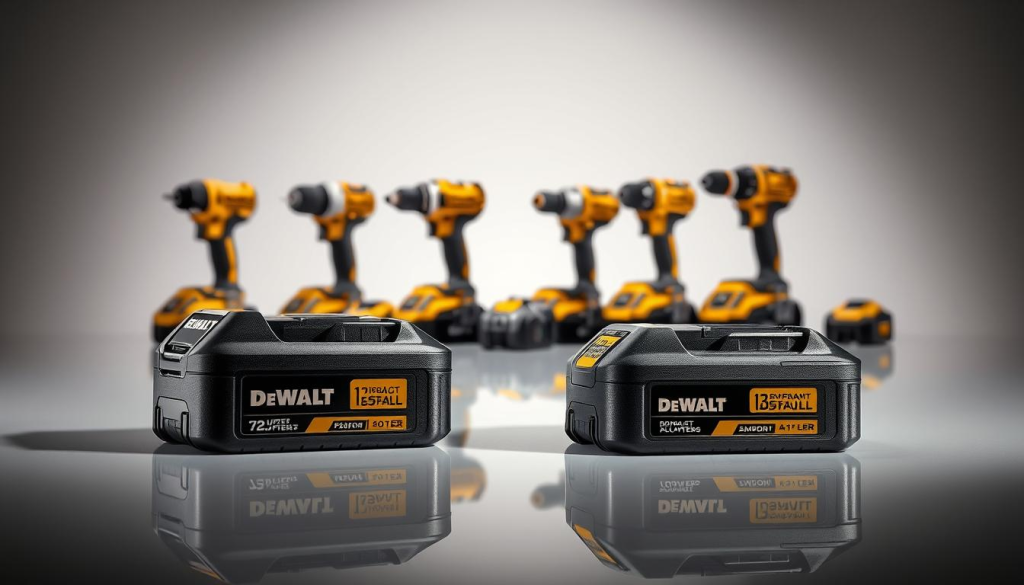
DEWALT’s commitment to improving its battery technology has allowed it to maintain a competitive edge in the power tool market. As the industry continues to evolve, understanding how DEWALT stacks up against its competitors is crucial for both professionals and DIY enthusiasts.
How DEWALT Stands Against Other Brands
DEWALT competes with other prominent brands in the power tool market, such as Milwaukee, Makita, and Bosch. Each brand has its strengths and weaknesses, particularly in battery technology. DEWALT’s lithium-ion batteries are known for their durability and efficiency, but how do they compare to the competition?
According to a recent industry report, “DEWALT’s transition to lithium-ion batteries has significantly improved tool performance and user satisfaction.” This shift is not unique to DEWALT; many competitors have also adopted lithium-ion technology. However, DEWALT’s extensive range of 18V and 20V tools gives it a broad appeal.
Key Comparison Points:
- Battery Voltage Options
- Tool Compatibility
- Charging Time
- Overall Tool Performance
Similarities and Differences in Battery Technology
While DEWALT and its competitors have embraced lithium-ion battery technology, there are notable differences in implementation. For instance, DEWALT’s batteries are designed to be highly compatible with a wide range of tools, enhancing their versatility.
“The key to DEWALT’s success lies in its ability to balance power with portability, making it a favorite among professionals.” – Industry Expert
In conclusion, while DEWALT faces stiff competition, its commitment to innovation and quality has positioned it favorably in the market. By understanding the similarities and differences in battery technology among competitors, users can make informed decisions about their power tool choices.
Maintenance Tips for DEWALT Batteries
To get the most out of your DEWALT batteries, it’s essential to follow some simple maintenance tips. Proper maintenance can extend the life of your batteries and ensure they continue to perform well.
Best Practices for Longevity
To maximize the lifespan of your DEWALT batteries, consider the following best practices:
- Store Batteries Properly: Keep batteries in a cool, dry place away from metal objects. Avoid storing them in high-temperature areas or in direct sunlight.
- Avoid Deep Discharge: Try to charge your batteries before they completely drain. Lithium-ion batteries, like those used by DEWALT, prefer partial discharge to deep discharge.
- Clean Battery Contacts: Regularly clean the contacts on both the battery and the tool to ensure good connectivity. Use a soft cloth or brush to remove dirt and debris.
- Monitor Battery Health: Keep an eye on the battery’s condition. If you notice a significant decrease in performance, it may be time to replace the battery.
By following these best practices, you can significantly extend the life of your DEWALT batteries and ensure they continue to power your tools effectively.
Signs Your Battery Needs Replacement
Even with proper maintenance, batteries will eventually need to be replaced. Here are some signs that indicate it’s time for a new DEWALT battery:
| Sign | Description |
|---|---|
| Reduced Runtime | If your battery doesn’t last as long as it used to on a single charge, it may be nearing the end of its life. |
| Slow Charging | Batteries that take longer to charge than usual may be experiencing internal degradation. |
| Physical Damage | Cracks, dents, or other forms of physical damage can compromise the battery’s integrity and safety. |
As DEWALT continues to innovate and improve their battery technology, users can expect even better performance and longer battery life. Keeping an eye on these signs and maintaining your batteries properly can help you get the most out of your DEWALT tools.
“The key to maximizing battery life is regular maintenance and proper storage. By following a few simple guidelines, users can significantly extend the lifespan of their DEWALT batteries.”
Where to Buy Replacement Batteries
DEWALT’s evolution in battery technology has led to significant dewalt battery advancements, making their tools more efficient and reliable. As users upgrade or replace their batteries, knowing where to buy authentic replacement batteries is crucial.
Authorized Retailers in the U.S.
Replacement batteries can be purchased from authorized DEWALT retailers across the United States. These retailers ensure that customers receive genuine DEWALT products, benefiting from the company’s dewalt battery evolution.
Some of the authorized retailers include home improvement stores and online marketplaces. Visiting these retailers guarantees that the batteries are compatible with DEWALT tools and meet the company’s quality standards.
Online vs. In-Store Options
Customers have the flexibility to buy replacement batteries either online or in-store. Online purchases offer convenience, while in-store visits allow for immediate assistance and the ability to inspect products before buying.
Regardless of the purchasing method, it’s essential to verify that the retailer is authorized by DEWALT to avoid counterfeit products. This ensures that the replacement batteries align with DEWALT’s dewalt battery advancements and overall quality.