
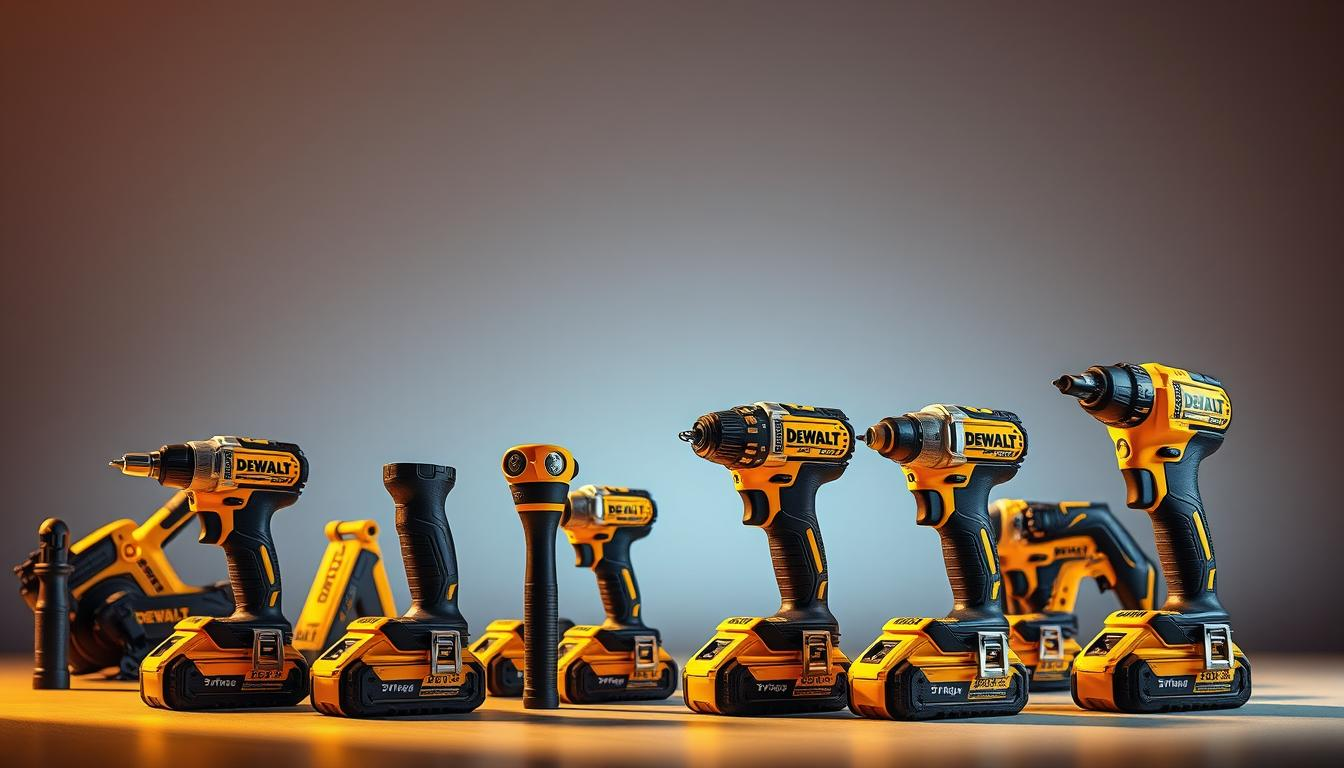
DEWALT’s transition to 20V power tools marked a significant shift in their cordless power tool lineup. In June 2011, DEWALT announced their 20V Max cordless power tool system, a move that differentiated their newer tools from the older 18V lineup.
The introduction of the 20V Max branding in North America, while the same tools were branded as 18V XR in other regions, was a strategic decision. This change impacted the power tool industry and DEWALT’s market presence.
The transition to 20V Max was more than just a rebranding; it represented a significant upgrade in technology and performance. This article will explore the implications of this change and its impact on the industry.
Key Takeaways
- DEWALT introduced their 20V Max cordless power tool system in June 2011.
- The 20V Max branding was used in North America, while the same tools were branded as 18V XR elsewhere.
- This transition marked a significant shift in DEWALT’s cordless power tool lineup.
- The change was a strategic move to differentiate newer tools from the older 18V lineup.
- The 20V Max system represented a significant upgrade in technology and performance.
Introduction to DEWALT and Cordless Technology
Since 1924, DEWALT has been a significant player in the power tool industry, driving innovation and excellence. The company’s journey into cordless technology began with the introduction of its first line of portable electric power tools in 1992, followed by a revolutionary system of over 30 new cordless tools in 1994.
Overview of DEWALT’s History
DEWALT was founded in 1924 and has since become a renowned brand in the power tool sector. The company’s commitment to innovation led to the development of its first portable electric power tools in 1992. This was a pivotal moment, as it marked DEWALT’s entry into the portable power tool market. The subsequent launch of their cordless tool line in 1994 further solidified their position, offering users greater flexibility and convenience.
Importance of Cordless Power Tools
Cordless power tools have revolutionized the way professionals and DIYers work, providing un PageContented flexibility and efficiency. DEWALT’s cordless technology has been instrumental in this shift, enabling users to work without the constraints of cords. The advancements in battery technology have played a crucial role in enhancing the performance and reliability of cordless tools.
The importance of cordless power tools lies in their ability to offer users greater mobility and convenience. This is particularly significant in industries where mobility is crucial, such as construction and carpentry. DEWALT’s commitment to cordless technology has ensured that their tools remain at the forefront of innovation, meeting the evolving needs of professionals and DIY enthusiasts alike.
The Transition from 18V to 20V
DEWALT made headlines in June 2011 with the announcement of their 20V Max cordless power tool system, marking a significant shift from their previous 18V lineup. This change was more about marketing than a substantial technological shift in voltage, as the 20V Max battery is technically still an 18-volt battery, comprising five 3.6-volt lithium-ion cells.
The transition to 20V Max was largely a rebranding effort, focusing on the maximum voltage when the battery is fully charged. This move was strategic, aiming to emphasize the potential of their cordless power tools. The nominal voltage of the 20V Max batteries remains the same as their 18V counterparts, but the labeling highlights their peak performance capabilities.
Key Changes in Voltage and Technology
The introduction of the 20V Max system brought about several key changes, primarily in how DEWALT marketed their products. The technology behind the batteries remained largely the same, with the main difference being in the labeling and the emphasis on maximum voltage.
Key technological aspects include:
- Use of lithium-ion cells for Page efficiency and longevity
- Emphasis on maximum voltage to highlight performance potential
- Compatibility with existing 18V tools through adapters in some cases
As noted by industry experts, “The shift to 20V Max was a strategic marketing move that aligned with consumer expectations for higher voltage tools without a significant change in technology.”
“The change was more about branding and less about a radical new technology.”
Timeline of Transition
Understanding the timeline of DEWALT’s transition from 18V to 20V Max is crucial for grasping the context of their product evolution.
| Year | Event | Description |
|---|---|---|
| 2011 | Announcement of 20V Max | DEWALT announced their 20V Max cordless power tool system in June. |
| 2012 | Expansion of 20V Max Lineup | DEWALT began expanding their 20V Max line, introducing new tools and batteries. |
| 2015 | Further Innovations | Continued innovation in battery technology and tool design. |
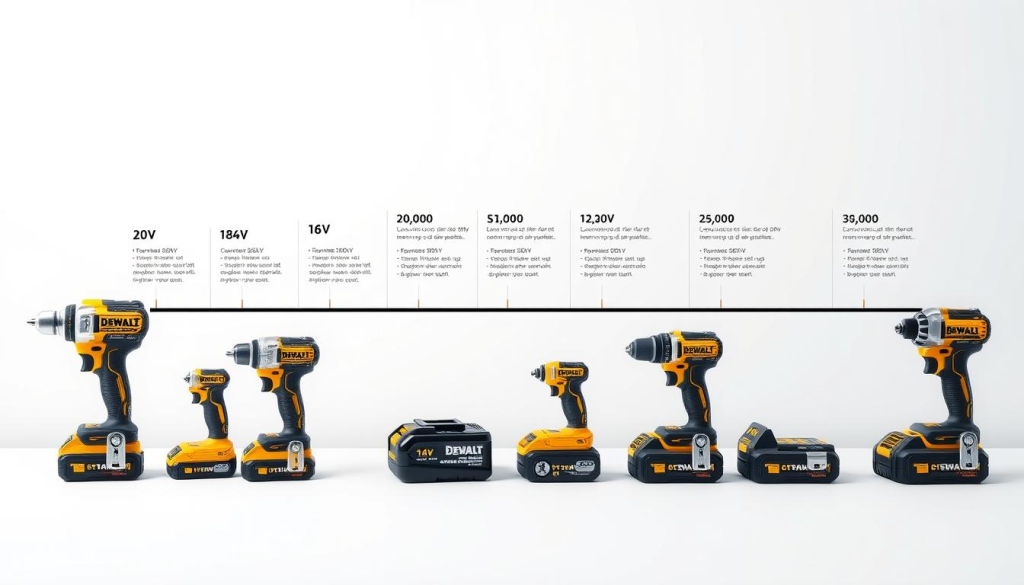
The transition to 20V Max has been a defining aspect of DEWALT’s product strategy, influencing how they develop and market their cordless power tools. By understanding this transition, users can better appreciate the advancements in DEWALT’s technology and the benefits of their current product lineup.
Features of 20V Power Tools
DEWALT’s transition to 20V power tools marked a significant milestone in the cordless technology landscape. The 20V Max line included a variety of tools such as a hammer drill, drill-driver, impact drivers, rotary hammer, circular saw, reciprocating saw, and LED work light, offering users a comprehensive range of options for different tasks.
Advantages Over 18V Tools
The 20V Max tools provided several advantages over their 18V counterparts, including improved performance and runtime. The higher voltage allowed for more powerful operations, making tasks more efficient.
One of the key benefits was the enhanced runtime, which allowed users to work for longer periods without needing to recharge. This was particularly beneficial for professionals who rely on their tools for extended periods.
Battery Technology Innovations
The 20V Max batteries came in 1.5- and 3-amp-hour versions, giving users the flexibility to choose the battery capacity that best suited their needs. This innovation in battery technology enabled more efficient use of power tools, as users could select the appropriate amp-hour rating for their tasks.
The flexibility in battery options was a significant improvement, as it allowed users to optimize their tool performance based on the specific requirements of their projects.
Popular 20V DEWALT Power Tools
DEWALT’s 20V cordless power tools have gained widespread acceptance for their reliability and performance. The initial launch for the 20V Max line included a variety of tools, and the line has since expanded to include more models, catering to the diverse needs of professionals and DIYers.
Best-Selling Models
Some of the best-selling models in the DEWALT 20V lineup include the DEWALT DCD771C2 20V Max Cordless Drill and the DEWALT DCK590L2 20V Max Cordless 5-Tool Combo Kit. These tools are renowned for their high performance and durability.
- The DCD771C2 drill is praised for its compact design and powerful motor.
- The DCK590L2 combo kit is a favorite among professionals for its versatility and comprehensive toolset.
User Favorites and Reviews
Users have praised DEWALT’s 20V tools for their long battery life and robust construction. Many reviews highlight the convenience of the 20V Max line, noting that the tools are lightweight and easy to maneuver.
A common theme in user reviews is the reliability of DEWALT’s 20V tools in demanding work environments. Professionals appreciate the consistent performance and the ability to interchange batteries across different tools.
Understanding DEWALT’s Battery Lineup
Understanding the battery options available for DEWALT’s 20V tools is essential for making informed purchasing decisions. DEWALT’s 20V Max batteries have become a cornerstone for professionals and DIYers alike, offering a range of capacities to suit different needs.
Battery Options and Capacities
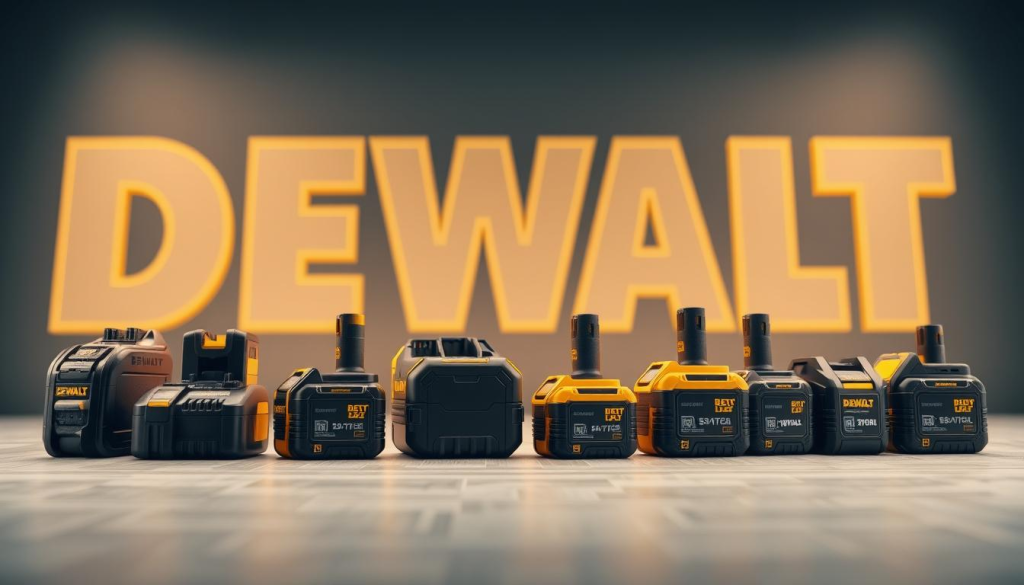
DEWALT offers a variety of 20V Max batteries with different ampere-hour (Ah) ratings, such as 1.5Ah, 3Ah, 5Ah, and 9Ah. The choice of battery capacity depends on the specific requirements of the user, including the type of projects they undertake and how long they need the tools to run.
Key Battery Options:
- Compact Batteries: Ideal for smaller tasks and less demanding applications.
- High-Capacity Batteries: Suitable for heavy-duty applications and prolonged use.
Compatibility with Previous Models
One critical aspect of DEWALT’s 20V battery lineup is its compatibility—or lack thereof—with previous 18V models. The 20V Max batteries feature a slide-style design that is not backward compatible with the older 18V stem-style batteries. This change was part of DEWALT’s broader strategy to enhance performance and safety.
| Battery Type | Capacity (Ah) | Compatibility |
|---|---|---|
| 20V Max | 1.5, 3, 5, 9 | Not compatible with 18V stem-style batteries |
| 18V | Various | Stem-style, not compatible with 20V Max slide-style batteries |
DEWALT’s shift to the 20V Max platform has provided users with more powerful and efficient tools, albeit with a change that requires adapting to new battery designs. This evolution underscores DEWALT’s commitment to innovation and performance.
Impact on Professionals and DIYers
With DEWALT’s adoption of 20V technology, the landscape for professionals and DIY enthusiasts has undergone a substantial transformation. The transition has been met with significant interest from both industry experts and DIY enthusiasts, who are keen to understand the implications of this change.
Feedback from Industry Experts
Industry experts have been closely monitoring DEWALT’s move to 20V, and their feedback has been largely positive. According to DEWALT representatives, the decision to transition was influenced by user preferences, with a commitment to maintaining the 18V system until users indicated they were ready to move on.
“The 18V system will stay in our line until users tell us they don’t want to use it,”
This assurance has been well-received by professionals who value the compatibility and flexibility offered by DEWALT’s approach.

How It Benefits DIY Enthusiasts
For DIY enthusiasts, the shift to 20V Max has brought about several benefits, including improved performance and extended runtime. These enhancements have made it easier for DIYers to complete projects efficiently, without the need for frequent recharging.
The increased versatility of DEWALT’s 20V tools has also been a significant advantage, allowing DIY enthusiasts to tackle a wider range of tasks with a single battery platform.
- Increased runtime for longer projects
- Improved performance for demanding tasks
- Versatility with a single battery platform
Overall, DEWALT’s transition to 20V has been well-received by both professionals and DIY enthusiasts, offering a range of benefits that enhance productivity and efficiency.
Comparing DEWALT 20V with Competitors
The shift towards 20V cordless technology by DEWALT invites a comparison with other major players in the industry. As the cordless power tool market continues to evolve, several brands have emerged as significant competitors.
Notable Brands in the Market
DEWALT is not alone in the cordless power tool market; other notable brands include Bosch, Makita, and Milwaukee. Each of these manufacturers offers a range of cordless tools with different voltage ratings and features.
- Bosch: Known for their high-quality tools and innovative technology.
- Makita: Offers a wide range of cordless tools with advanced battery technology.
- Milwaukee: Provides heavy-duty cordless tools designed for professionals.
Performance Factors to Consider
When comparing DEWALT’s 20V power tools with those of its competitors, several performance factors come into play. These include battery life, power output, and compatibility with other tools within the same brand’s ecosystem.
| Brand | Voltage Rating | Battery Life (average) | Price Range |
|---|---|---|---|
| DEWALT | 20V | 5-8 hours | $50-$200 |
| Bosch | 18V/20V | 4-7 hours | $60-$250 |
| Makita | 18V/40V | 5-10 hours | $70-$300 |
DEWALT’s 20V system is known for its reliability and extensive range of compatible tools. However, competitors like Bosch and Makita offer their own unique features and advantages.
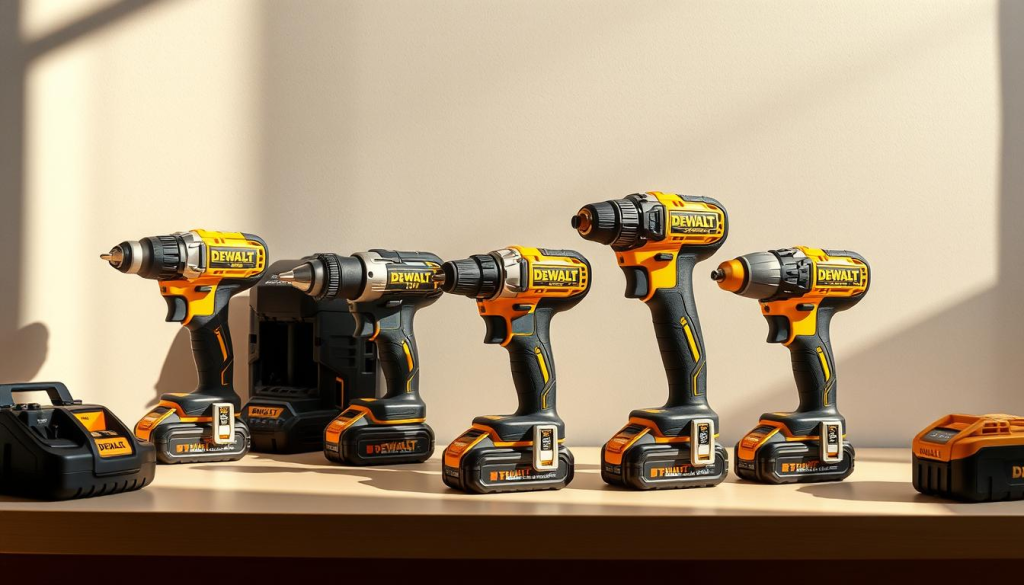
In conclusion, while DEWALT’s 20V power tools stand out in the market, understanding how they compare to other brands is crucial for making informed purchasing decisions.
Maintenance and Care for 20V Tools
To ensure your DEWALT 20V tools continue to perform optimally, regular maintenance is essential. Proper care not only extends the lifespan of your tools but also ensures they remain efficient and effective throughout their use.
Tips to Extend Tool Life
Regular maintenance involves several key practices. First, it’s crucial to keep your tools clean and free from debris. Dust and dirt can accumulate and cause wear on moving parts. Regularly cleaning your tools with a soft brush or cloth can prevent this issue.
Another important aspect is to check and maintain the battery. DEWALT’s 20V battery platform evolution has led to more efficient and longer-lasting batteries. However, proper care is still necessary. Avoiding deep discharges and storing batteries in a cool, dry place can significantly extend their lifespan.
| Maintenance Task | Frequency | Benefit |
|---|---|---|
| Clean Tool Exterior | After Each Use | Prevents Debris Buildup |
| Check Battery Contacts | Monthly | Ensures Proper Battery Function |
| Lubricate Moving Parts | Quarterly | Reduces Wear and Tear |
Best Practices for Battery Management
Effective battery management is critical for the overall performance of your DEWALT 20V tools. One best practice is to avoid extreme temperatures when charging or storing batteries. DEWALT recommends charging batteries between 40°F and 104°F (4°C and 40°C).
It’s also beneficial to monitor the battery’s state of charge. Using a battery with a low charge can sometimes cause more strain on the tool, potentially reducing its lifespan. Furthermore, updating your tool and battery firmware, when applicable, can improve performance and compatibility.
By following these maintenance tips and best practices for battery management, you can ensure your DEWALT 20V tools remain in top condition, providing reliable performance for your projects.
Conclusion: The Future of DEWALT’s Power Tools
DEWALT’s transition to 20V power tools marked a significant milestone in the cordless power tool industry. The switch, which occurred on a specific dewalt 20v switch date, brought about numerous innovations in battery technology and tool performance.
Advancements on the Horizon
As the cordless power tool market continues to evolve, DEWALT is poised to remain at the forefront, driving innovation and performance. The company’s commitment to expanding its 20V lineup and introducing new battery technologies is expected to shape the future of the industry.
Trends in 20V Technology
The dewalt power tool voltage change has led to increased efficiency and productivity for professionals and DIYers alike. As DEWALT continues to innovate, we can expect to see further enhancements in 20V technology, including improved battery life and increased power output.