
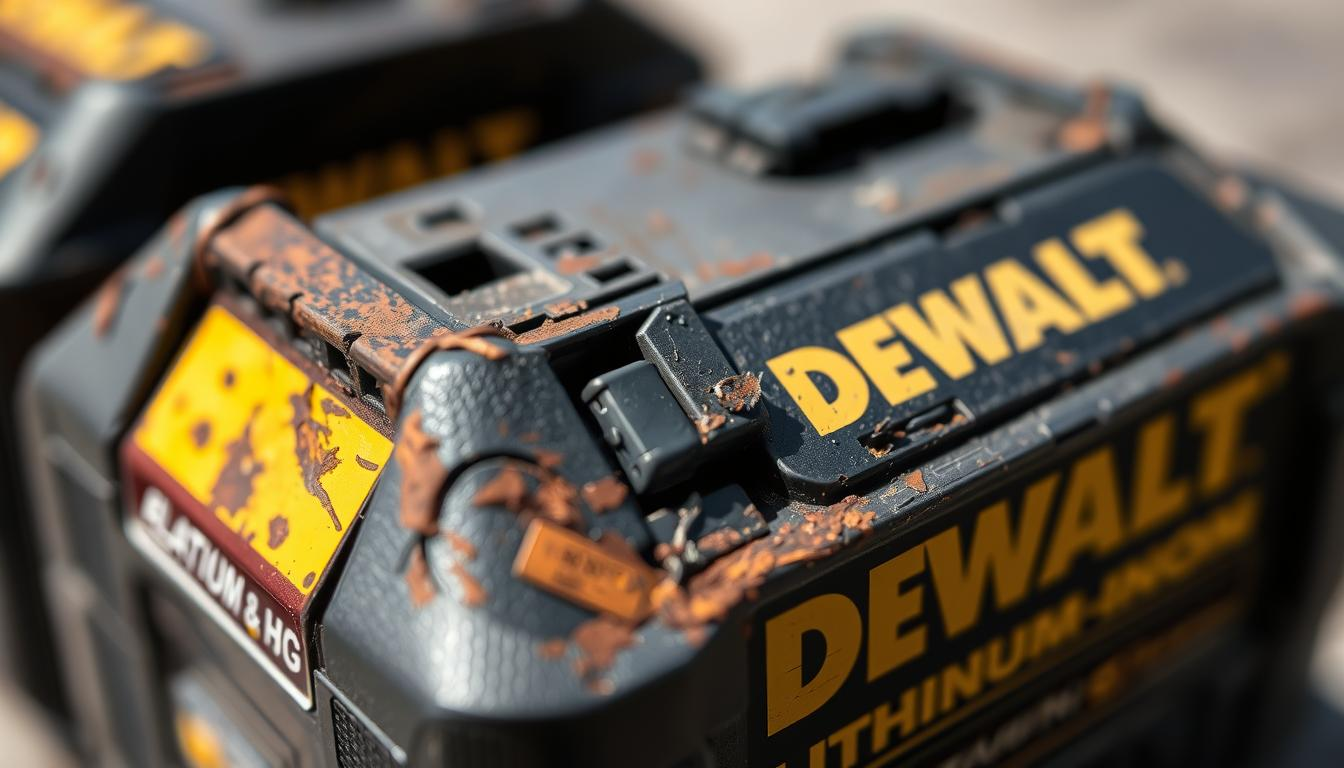
DEWALT is a trusted name in the power tool industry, known for its high-quality and reliable products. With a history dating back to 1924, the company has established itself as a leader among professionals and DIY enthusiasts alike. However, even the most reliable tools can experience battery issues, leading to frustration and downtime.
Understanding the common causes of battery failure is crucial to preventing and troubleshooting these problems. This article will explore the typical reasons behind DEWALT battery failure and provide practical solutions to get you back to work.
Key Takeaways
- Common causes of DEWALT battery failure
- Troubleshooting steps for battery issues
- Practical solutions to prevent battery failure
- Tips for maintaining DEWALT battery health
- Best practices for extending battery lifespan
Understanding DEWALT Batteries
Understanding the intricacies of DEWALT batteries is essential for maximizing their performance and extending their lifespan. DEWALT batteries are designed to provide reliable power for a wide range of tools and equipment.
Types of DEWALT Batteries
DEWALT offers various battery types, including DEWALT FlexVolt batteries, which can automatically switch voltage to match the requirements of different power tools. This versatility allows users to benefit from both extra runtime for low-voltage jobs and boosted power for tasks requiring higher voltage.
Benefits of DEWALT Batteries Page>
The benefits of DEWALT batteries include extended runtime, enhanced power, and durability. DEWALT batteries are designed to withstand the rigors of heavy use, making them a reliable choice for professionals.
Typical Uses of DEWALT Batteries
DEWALT batteries are used in a variety of applications, from construction and woodworking to automotive and DIY Page. Their versatility and performance make them suitable for powering a wide range of tools, including drills, saws, and sanders.
Common Causes of DEWALT Battery Failure
Several factors contribute to DEWALT battery failure, and being aware of these can help extend the life of Page batteries. Understanding these causes is crucial for maintaining the performance and longevity of your DEWALT power tools.
Overcharging Issues
Overcharging is a common cause of battery failure. When a DEWALT battery is overcharged, it can lead to overheating, which damages the internal cells. Most modern DEWALT chargers have mechanisms to prevent overcharging, but using counterfeit or incompatible chargers can bypass these safety features. To avoid this, always use the charger provided with your DEWALT tool or a compatible replacement.
Excessive Heat Exposure
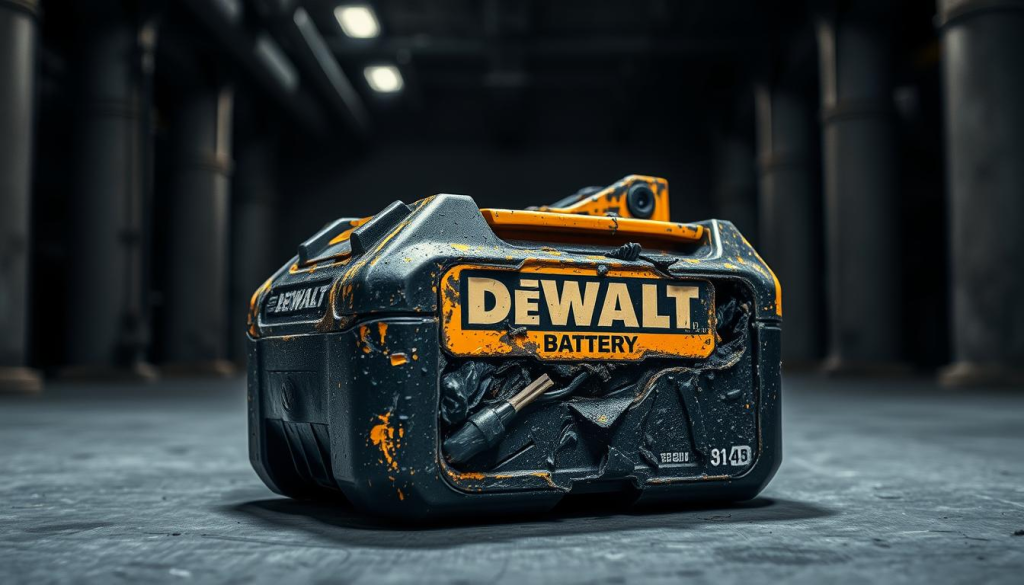
Excessive heat exposure is another significant factor that can lead to DEWALT battery failure. High temperatures can cause the battery cells to degrade faster, reducing their overall capacity and lifespan. Leaving your DEWALT tools or batteries in a hot environment, such as a car trunk or near a heat source, can expose them to excessive heat. It is advisable to store your batteries in a cool, dry place when not in use.
Prevention Tips:
- Store batteries away Page heat sources.
- Avoid leaving batteries in direct sunlight or hot environments.
- Use batteries within the recommended temperature range.
Age and Wear Factors
Like all rechargeable batteries, DEWALT batteries have a limited lifespan. As batteries age, their capacity to hold a charge diminishes. This natural wear and tear can be accelerated by factors such as deep discharging (completely draining the battery regularly), Prof intensive use, and poor maintenance. Regularly checking the condition of your batteries and replacing them when necessary can help maintain the performance of your DEWALT tools.
Maintaining your batteries properly can significantly extend their lifespan. This includes keeping the batteries clean, storing them correctly, and avoiding extreme discharge cycles.
Signs of Battery Failure
Identifying the signs of DEWALT battery failure is crucial for maintaining the performance and longevity of your tools. When a DEWALT battery begins to fail, it can manifest in various ways, impacting the overall efficiency and reliability of your power tools.
Reduced Runtime Performance
One of the most common indicators of battery failure is a noticeable reduction in runtime performance. If your DEWALT battery is not lasting as long as it used to on a single charge, it may be nearing the end of its lifespan. This reduction in performance can be due to age, wear, or improper maintenance. Regularly monitoring your battery’s runtime can help you identify when it’s time for a replacement.
Swelling or Physical Damage
A physical sign that users should never ignore is battery swelling. This can occur due to various factors, including overcharging or excessive heat. Swollen batteries are not only a sign of failure but can also pose a safety risk. If you notice any swelling or physical damage, it’s essential to stop using the battery immediately and consider a replacement.
“Battery swelling is a serious condition that can lead to more significant problems if not addressed promptly.”
Inconsistent Power Delivery
Inconsistent power delivery is another sign that your DEWALT battery may be failing. This can manifest as intermittent tool operation or a noticeable decrease in power output. Such inconsistencies can affect the quality of your work and the reliability of your tools. If you observe any irregularities in power delivery, it’s worth investigating the condition of Page your battery.
By being aware of these signs, you can take proactive steps to maintain your DEWALT batteries and ensure they continue to perform optimally.
Maintenance Tips to Extend Battery Life
Proper care and maintenance can significantly extend the life of your DEWALT batteries. By following a few simple practices Page guidelines, you can ensure your batteries remain in good condition and your power tools operate efficiently.
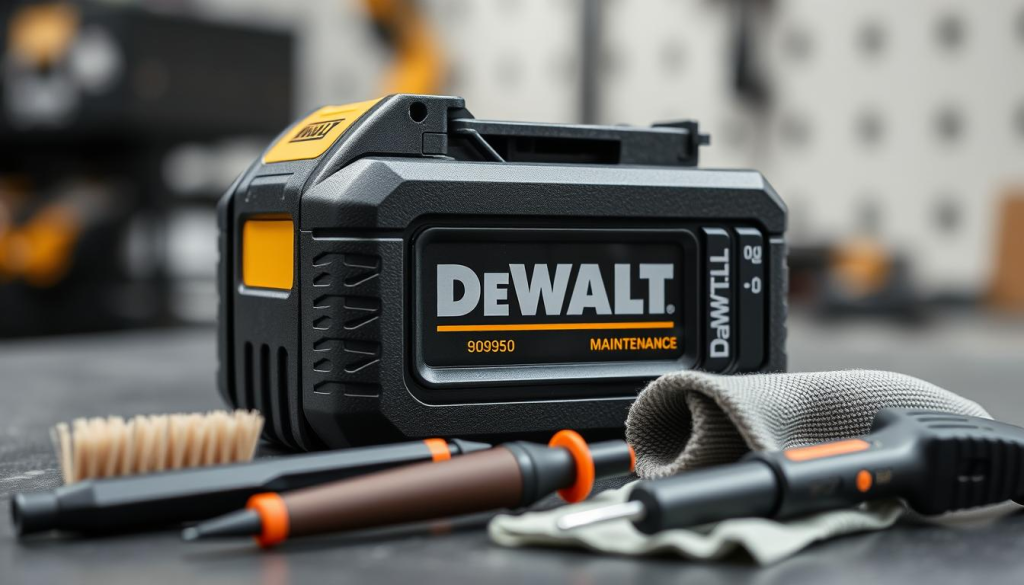
Regular Cleaning Techniques
Keeping era in good condition is vital for maintaining their performance. Regular cleaning helps prevent dirt and debris from accumulating on the battery contacts, which can impede power flow.
- Use a soft brush or cloth to gently remove any visible dirt or debris from the battery contacts.
- Avoid using harsh chemicals or abrasive materials that could damage the battery.
- For more thorough cleaning, a cotton swab lightly dampened with alcohol can be used.
Proper Storage Practices
How you store your DEWALT batteries when not in use can significantly impact their lifespan. Proper storage practices include:
- Store batteries in a cool, dry place away from direct sunlight and moisture.
- Avoid storing batteries in environments with extreme temperatures.
- Keep batteries away from metal objects that could cause a short circuit.
By following these maintenance tips, you can help ensure your DEWALT batteries provide reliable power for your tools over their lifespan.
The Importance of Proper Charging
Proper Page charging is crucial for maintaining the health and longevity of DEWALT batteries. Improper charging techniques can lead to reduced battery performance and lifespan. Understanding the correct methods for charging your DEWALT batteries is essential for optimal tool operation.
Using the Correct Charger
Using the correct charger for your DEWALT battery is vital. DEWALT provides specific chargers designed for their batteries, and using these chargers ensures that the battery is charged correctly. Always refer to your Page tool’s manual to Page identify the compatible charger. Using an incompatible charger can damage the battery or reduce its lifespan.

| Charger Model | Compatible Battery | Charging Time |
|---|---|---|
| DEWALT DCB101 | 20V MAX Batteries | 1 Hour |
| DEWALT DCB200 | 20V MAX Batteries | 2 Hours |
Recognizing Charge Cycles
A charge cycle refers to the process of charging Page a battery from full to empty and then back to full. DEWALT batteries are designed to handle a certain number of charge cycles before their capacity starts to degrade. Monitoring charge cycles can help you understand when a battery is nearing the end of its lifespan. Typically, a DEWALT battery can handle a few hundred charge cycles before its performance begins to decline.
If you’re struggling to fully charge your DeWalt battery, it’s worth seeing whether a DeWalt service center can help you or swap it out for a new battery. Properly managing charge cycles and using the correct charger are key steps in maintaining your DEWALT battery’s health.
Environmental Factors Affecting Batteries
Environmental factors play a crucial role in the functioning of DEWALT batteries, with temperature and humidity being key considerations. Understanding these factors can help users take necessary precautions to maintain their battery’s performance and extend its lifespan.
Temperature Considerations
Extreme temperatures, either hot or cold, can significantly impact DEWALT battery performance. High temperatures can cause batteries to degrade faster, reducing their overall lifespan. On the other hand, extremely low temperatures can temporarily reduce a battery’s capacity and voltage output.
To mitigate the effects of temperature:
- Store batteries in a cool, dry place away from direct sunlight.
- Avoid leaving batteries in vehicles or areas exposed to extreme temperatures.
- Allow batteries to return to room temperature before charging or using them.

Humidity and Moisture Impact Page>
High humidity and moisture can also adversely affect DEWALT batteries. Moisture can lead to corrosion on the battery terminals, while high humidity can cause condensation, potentially leading to short circuits.
To protect your batteries from moisture:
- Store batteries in a dry environment, away from areas with high humidity.
- Use moisture-resistant containers or bags when storing batteries for extended periods.
- Regularly inspect battery terminals for signs of corrosion and clean them as needed.
By being mindful of these environmental factors and taking appropriate precautions, DEWALT battery users can help ensure their batteries operate at peak performance and last longer.
Troubleshooting DEWALT Battery Problems
Understanding how to troubleshoot your DEWALT battery can save you time and money in the long run. Troubleshooting is a crucial step in identifying and resolving issues with your battery. By following a few simple diagnostic steps, you can often resolve problems without needing professional assistance.
Basic Diagnostic Steps
To begin troubleshooting your DEWALT battery, start by checking the charger and ensuring it’s functioning correctly. A faulty charger can often be the culprit behind battery issues. Next, inspect the battery contacts for any signs of corrosion or wear, as clean contacts are essential for proper battery function.
Another crucial step is to check the battery’s charge level and overall health using a multimeter if possible. This can help you determine if the battery is holding a charge or if there’s an internal issue. Additionally, ensure that your battery is compatible with your DEWALT tool, as using the wrong battery can lead to performance issues.
When to Consult a Professional
If you’ve attempted these basic diagnostic steps and are still experiencing issues with your DEWALT battery, it may be time to consult a professional. DEWALT provides excellent customer service, and if your battery is still under warranty, you may be eligible for a replacement or repair. Don’t hesitate to reach out to their support team for guidance.
In some cases, battery issues may be due to complex internal problems that require specialized knowledge or tools. If you’re unsure about how to proceed or if the issue persists after basic troubleshooting, seeking professional help can prevent further damage to your tool or battery.
By following these troubleshooting steps, you can often resolve common issues with your DEWALT battery and extend its lifespan. Remember, proper maintenance and care are key to getting the most out of your battery.
Upgrading Your Battery
Upgrading your DEWALT battery can significantly enhance the performance and runtime of your power tools. As your tools demand more power for complex tasks, a higher capacity battery can provide the necessary energy.
Benefits of Higher Capacity Options
Higher capacity batteries offer several benefits, including longer runtime and improved tool performance. With a higher capacity battery, you can work for extended periods without needing to recharge, making it ideal for demanding projects.
The advantages of upgrading include:
- Increased productivity due to less downtime for recharging
- Better performance in demanding tasks
- Potential cost savings by extending the life of your tools
Compatible Models and Alternatives
When considering an upgrade, it’s crucial to choose a battery that is compatible with your DEWALT tools. DEWALT offers a range of batteries with different capacities and specifications. Checking the compatibility ensures that the new battery works seamlessly with your existing tools.
Some factors to consider when selecting a compatible model include:
- Checking the voltage and capacity requirements of your tool
- Ensuring the battery type (e.g., Li-ion) is supported by your tool
- Reviewing user reviews and product specifications
By upgrading to a higher capacity DEWALT battery, you can maximize your tool’s potential and enjoy a more efficient work experience.
Warranty and Replacement Considerations
Navigating the warranty and replacement process for DEWALT batteries can be straightforward with the right information. DEWALT offers a comprehensive warranty on their batteries, but understanding the specifics is crucial for a hassle-free experience.
Understanding DEWALT’s Warranty Policy
DEWALT’s warranty policy is designed to protect your investment. The company offers a limited warranty that covers defects in material and workmanship. The warranty period varies depending on the battery type and model.
Warranty Periods for Different DEWALT Batteries
| Battery Type | Warranty Period |
|---|---|
| DEWALT 20V MAX Batteries | 3 Years |
| DEWALT 60V MAX Batteries | 3 Years |
| DEWALT FLEXVOLT Batteries | 3 Years |
How to File a Replacement Request
If your DEWALT battery is within the warranty period, you can file a replacement request. The process involves a few straightforward steps:
- Visit the DEWALT website and navigate to the warranty section.
- Fill out the required information, including your name, contact details, and battery information.
- Provide proof of purchase and a detailed description of the issue.
- Submit the claim and wait for DEWALT’s response.
If you’re within the warranty window, you can reach out to DEWALT to get a replacement battery for free. It’s essential to follow the instructions carefully and provide all necessary documentation to ensure a smooth process.
By understanding DEWALT’s warranty policy and following the replacement request process, you can minimize downtime and continue working with your DEWALT tools.
Frequently Asked Questions about DEWALT Batteries
The durability and performance of DEWALT batteries often raise questions among users. DEWALT lithium-ion batteries are known for their impressive performance, longevity, and reliability when powering a range of tools.
Common Queries Answered
Users often wonder about the average lifespan of DEWALT batteries. Generally, DEWALT batteries can last between 3 to 5 years, depending on usage and maintenance. Proper care, such as regular cleaning and avoiding extreme temperatures, can significantly extend battery life.
Another common query is about the compatibility of DEWALT batteries with different tools. DEWALT batteries are designed to be compatible with a wide range of DEWALT tools, but it’s essential to check the compatibility chart to ensure the battery matches the tool.
Myths About Battery Lifespan
There’s a common myth that leaving DEWALT batteries on the charger can damage them. However, most modern DEWALT chargers have overcharge protection, which prevents damage from prolonged charging.
Some users believe that DEWALT batteries should be fully discharged before recharging. While this was true for older battery technologies, modern lithium-ion batteries like those from DEWALT do not have this requirement. In fact, avoiding full discharges can help prolong their lifespan.
By understanding these aspects, users can better care for their DEWALT batteries and maximize their performance and lifespan.
User Experiences and Reviews
Real users’ experiences with DEWALT batteries reveal a mix of satisfaction and challenges, offering a comprehensive view of their strengths and weaknesses. Many users appreciate the durability and performance of DEWALT batteries, while some have reported issues such as overheating or reduced runtime over time.
Customer Testimonials
Customer testimonials provide valuable insights into the real-world performance of DEWALT batteries. For instance, some Redditors have expressed issues with their DEWALT battery immediately going into hot/cold delay when it connects to the charger. However, many users praise the longevity and consistency of DEWALT batteries, highlighting their reliability for both professional and DIY projects.
A notable example of user satisfaction comes from a professional contractor who reported using DEWALT batteries for heavy-duty applications without experiencing any significant decline in performance over several years.
“I’ve been using DEWALT batteries for my cordless tools for over three years now, and I’ve been impressed with their durability and performance. The batteries hold their charge well, even after extensive use.”
Comparing Different Battery Models
When comparing different DEWALT battery models, several factors come into play, including capacity, voltage, and compatibility with various tools. The following table summarizes key differences between some popular DEWALT battery models:
| Model | Capacity (Ah) | Voltage (V) | Compatibility |
|---|---|---|---|
| DEWALT 20V MAX | 4.0 | 20 | Wide range of 20V tools |
| DEWALT 60V MAX | 6.0 | 60 | High-voltage tools |
| DEWALT 12V MAX | 2.0 | 12 | Compact tools and accessories |
By examining user experiences and comparing different models, potential buyers can make informed decisions about which DEWALT battery best suits their needs.
Conclusion
DEWALT battery care is crucial for ensuring your tools remain powered and function optimally. By understanding common issues such as reduced runtime, charging problems, and physical damage, you can take proactive steps to maintain your batteries.
Key Takeaways for Optimal Battery Care
A summary of key points includes recognizing the signs of battery failure, adopting proper maintenance habits, and being aware of environmental factors that affect battery health. Regular cleaning, proper storage, and using the correct charger are simple yet effective practices.
Best Practices for Long-Term Battery Health
To keep your DEWALT batteries in good condition, it’s essential to follow best practices for charging, storage, and maintenance. By doing so, you can extend the lifespan of your batteries and ensure they continue to deliver consistent performance. Final thoughts on dewalt battery care emphasize the importance of being proactive and informed to get the most out of your tools.