
The world of power tools is vast and varied, with different brands offering unique features and benefits. One common question among DIY enthusiasts and professionals is whether batteries from one brand can be used with tools from another. Specifically, many are asking if a DEWALT battery can be used with a Bauer tool.
The general rule of thumb is that batteries from different brands are not compatible as is. This is due to differences in design, voltage, and technology. However, understanding the compatibility between DEWALT and Bauer tools can help users make informed decisions about their power tool investments.
As we explore the question of whether a DEWALT battery can work on a Bauer tool, we’ll examine the factors that determine compatibility and what this means for users of power tool batteries.
Key Takeaways
- Understanding the compatibility between different power tool brands.
- Factors that determine if a DEWALT battery can be used with a Bauer tool.
- The importance of compatibility in power tool batteries.
- What to consider when choosing power tools and their batteries.
- Implications of using incompatible batteries with power tools.
Understanding DEWALT and Bauer Tools
In the realm of power tools, understanding the differences between brands like DEWALT and Bauer is crucial for making informed purchasing decisions. Both brands have their own loyal customer base and offer a range of tools that cater to different needs and preferences.
Overview of DEWALT Tool Lineup
DEWALT is a well-established brand known for its high-quality power tools and accessories. Their tool lineup includes a wide range of cordless tools such as drills, impact drivers, saws, and sanders, all designed to deliver high performance and durability. DEWALT’s 20V MAX and 60V FLEXVOLT lines are particularly popular among professionals for their power and versatility.
Overview of Bauer Tool Lineup
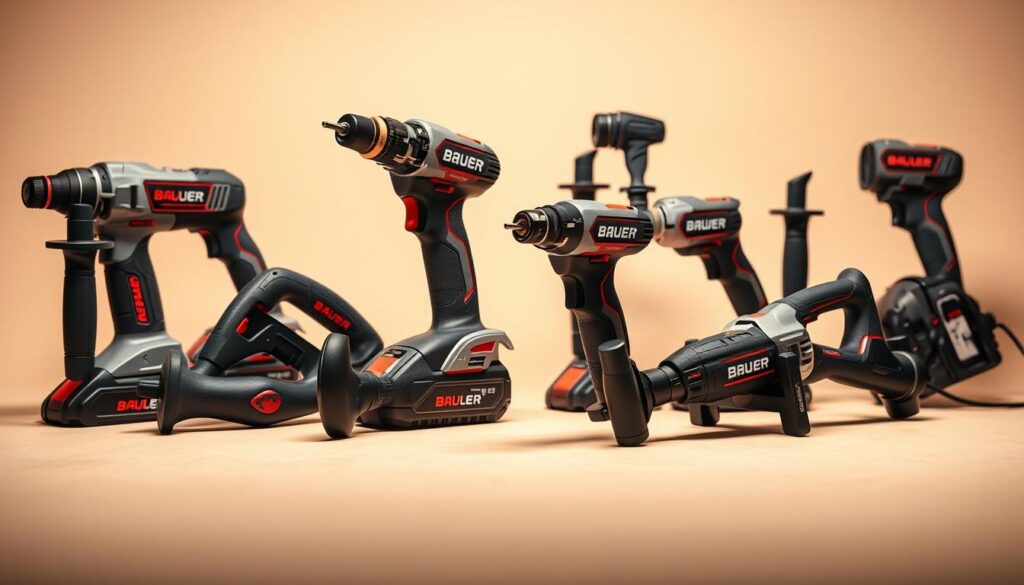
Bauer, on the other hand, is a brand offered by Harbor Freight Tools, known for providing affordable tools without compromising on quality. Bauer’s tool lineup includes a variety of cordless tools that are designed to be budget-friendly while still delivering reliable performance. Their 20V cordless line is particularly noteworthy for its balance of affordability and capability.
Key Differences in Battery Technology
One of the critical differences between DEWALT and Bauer tools lies in their battery technology. DEWALT batteries are known for their advanced technology, including high-capacity cells and sophisticated battery management systems. Bauer tools, while not matching DEWALT in terms of advanced battery tech, offer cost-effective battery solutions that are compatible with a range of their cordless tools. Understanding these differences is key to determining compatibility and performance.
The choice between DEWALT and Bauer ultimately depends on the user’s specific needs, budget, and preferences. By understanding the strengths and limitations of each brand’s tool lineup and battery technology, users can make more informed decisions about their power tool investments.
Battery Compatibility Explained
Battery compatibility is a key factor to consider when using power tools, as it directly affects their performance and safety. Ensuring that a battery is compatible with a tool involves understanding several critical factors.
Voltage Considerations
The voltage of a battery is a primary consideration for compatibility. DEWALT and Bauer tools, like other power tools, operate within specific voltage ranges. Using a battery with a voltage rating that does not match the tool’s requirements can lead to suboptimal performance or even damage the tool. For instance, DEWALT batteries are available in various voltages such as 20V and 60V, and Bauer tools also have their voltage specifications.
It’s essential to check the voltage rating of both the tool and the battery to ensure they are compatible. Mismatched voltages can result in reduced tool performance or potentially cause damage.
Battery Connection Types
Another crucial factor is the type of battery connection. Different brands have distinct connection designs, making cross-brand compatibility challenging. DEWALT batteries have a specific connection type that is different from Bauer’s. The connection type is designed to ensure safe and efficient power transfer.
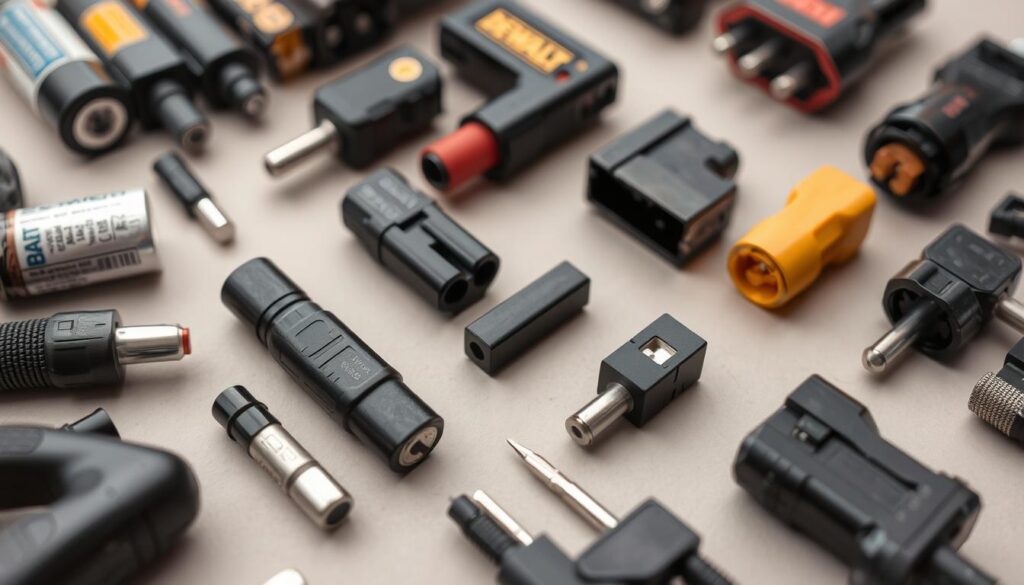
When considering using a battery with a tool from a different brand, it’s vital to examine the connection type closely. Adapters or modifications might be necessary but can also introduce safety risks.
Design Compatibility Between Brands
Design compatibility between different brands is also a significant consideration. Even if the voltage and connection type match, differences in battery design can affect compatibility. Bauer and DEWALT batteries have unique designs tailored to their respective tool lineups.
Factors such as battery chemistry, cell configuration, and electronic controls play a role in determining compatibility. Using a battery from one brand with a tool from another can lead to issues with performance, safety, and potentially void warranties.
In conclusion, understanding battery compatibility involves considering voltage, connection types, and design compatibility. By being aware of these factors, users can make informed decisions about using batteries with their power tools.
Advantages of DEWALT Batteries
DEWALT batteries have established a reputation for their exceptional performance and durability in the power tool industry. This reputation is built on several key advantages that make DEWALT batteries a preferred choice among professionals and DIYers alike.
Performance and Longevity
One of the standout features of DEWALT batteries is their ability to deliver consistent power output over their lifespan. This is due to their high-quality cells and robust design, which ensure that tools run efficiently and effectively. DEWALT batteries are designed to withstand the rigors of heavy use, making them ideal for professionals who rely on their tools for daily tasks.
The longevity of DEWALT batteries is another significant advantage. With proper care, these batteries can last for many years, providing a strong return on investment. Regular maintenance and proper charging practices can further extend their lifespan, ensuring that users get the most out of their batteries.
Technology Features
DEWALT batteries incorporate advanced technology features that enhance their performance and usability. For instance, many DEWALT batteries come equipped with intelligent battery management systems that monitor battery health and optimize charging. This technology helps prevent overcharging and overheating, protecting both the battery and the tool.
Additionally, DEWALT batteries are designed to be compatible with a wide range of DEWALT tools, making them a versatile choice for users with multiple tools from the same brand. This compatibility is a significant advantage for those who prefer to stick with a single brand for their power tool needs.
Availability and Cost
While DEWALT batteries are generally considered to be on the higher end of the price spectrum, their durability and performance make them a cost-effective choice in the long run. The initial investment in DEWALT batteries is often offset by their extended lifespan and reduced need for frequent replacements.
Furthermore, DEWALT batteries are widely available through various retailers, both online and in-store. This accessibility makes it easy for users to find and purchase replacement batteries or additional packs for their tools.
Advantages of Bauer Tools
The appeal of Bauer tools lies in their ability to deliver quality and durability at a price point that’s hard to beat. This makes them an attractive option for both professionals and DIY enthusiasts looking for reliable performance without the high-end price tag.
Affordability and Value
Bauer tools are known for being budget-friendly, offering a range of tools that are both affordable and feature-rich. This affordability doesn’t come at the cost of performance, as Bauer tools are designed to provide reliable power and durability. The value proposition of Bauer tools is further enhanced by their compatibility with a wide range of power tool accessories, making them a versatile choice for various projects.
| Tool Type | Average Price | Key Features |
|---|---|---|
| Drills | $50-$100 | High torque, adjustable speed |
| Saws | $70-$150 | Precision cutting, durable blade |
| Impact Drivers | $40-$90 | High impact power, ergonomic design |
Unique Features
Bauer tools stand out due to their innovative features, such as advanced battery technology and ergonomic designs that enhance user comfort. These features contribute to the overall efficiency and effectiveness of the tools, making them suitable for a variety of tasks and projects.
Target Audience
The target audience for Bauer tools includes both professionals and DIY enthusiasts. Professionals appreciate the compatibility and reliability of Bauer tools, while DIY enthusiasts value the affordability and ease of use. Whether you’re a contractor or a homeowner looking to tackle a project, Bauer tools offer a cost-effective solution without compromising on quality.
In conclusion, Bauer tools offer a compelling combination of affordability, performance, and compatibility, making them an excellent choice for a wide range of users. Their unique features and value proposition position them as a significant player in the power tool market.
Can You Use a DEWALT Battery on Bauer Tools?
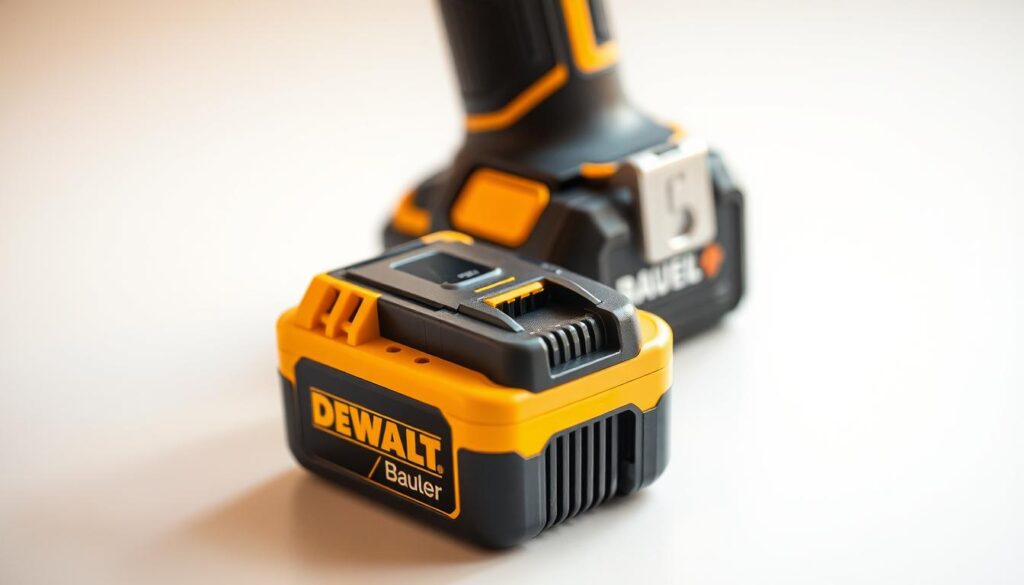
Understanding the compatibility of DEWALT batteries with Bauer tools is crucial for optimal performance and safety. Generally, using a DEWALT battery on Bauer tools is not recommended due to compatibility issues.
General Guidelines on Compatibility
The primary concern with using a DEWALT battery on Bauer tools lies in the differences in battery technology and design between the two brands. DEWALT and Bauer tools have distinct battery connection types and voltage requirements, which can affect compatibility.
To ensure safe and effective operation, it’s essential to follow the manufacturer’s guidelines regarding battery usage. Most manufacturers, including DEWALT and Bauer, design their tools and batteries to work within specific parameters, and deviating from these can lead to reduced performance or safety hazards.
Situations Where It Might Work
In some cases, users have reported successfully using DEWALT batteries on Bauer tools with adapters or modifications. However, such practices are not endorsed by manufacturers and can void warranties.
If you’re considering using a DEWALT battery on a Bauer tool, it’s crucial to assess the potential risks, including the possibility of damaging the tool or battery, or causing safety issues.
Risks of Mixing Batteries
Mixing batteries from different brands can lead to several risks, including:
- Incompatibility issues that can cause tool malfunction
- Potential safety hazards, such as overheating or electrical shock
- Reduced battery and tool lifespan
- Voiding of manufacturer warranties
To avoid these risks, it’s recommended to use batteries specifically designed for your Bauer tools. If you’re looking for alternatives, consider exploring Bauer batteries or third-party options that are compatible with your tools.
User Experiences and Feedback
Users have reported a range of experiences when using DEWALT batteries with Bauer tools, from successful pairings to compatibility issues. This variability underscores the complexity of cross-brand battery compatibility.
Positive Experiences
Some users have reported successful use of DEWALT batteries with Bauer tools, citing convenience and extended runtime. For instance, a user might find that a DEWALT battery fits their Bauer tool perfectly, providing a longer operational time than the original Bauer battery.
These positive experiences often highlight the versatility of DEWALT batteries and their potential to enhance the performance of Bauer tools.
Negative Experiences
Conversely, many users have encountered issues when attempting to use DEWALT batteries with Bauer tools. Common problems include physical incompatibility, where the battery does not fit the tool, and performance issues, such as reduced power output or failure to charge.
These negative experiences emphasize the importance of ensuring compatibility before attempting to use batteries across different brands.
Common Misconceptions
A common misconception is that all batteries within the same voltage range are compatible across different tool brands. However, battery technology and connection types vary significantly between brands like DEWALT and Bauer.
Understanding these differences is crucial for users considering cross-brand battery use. It’s not just about the voltage; the battery’s design, connection type, and technology all play critical roles in determining compatibility.
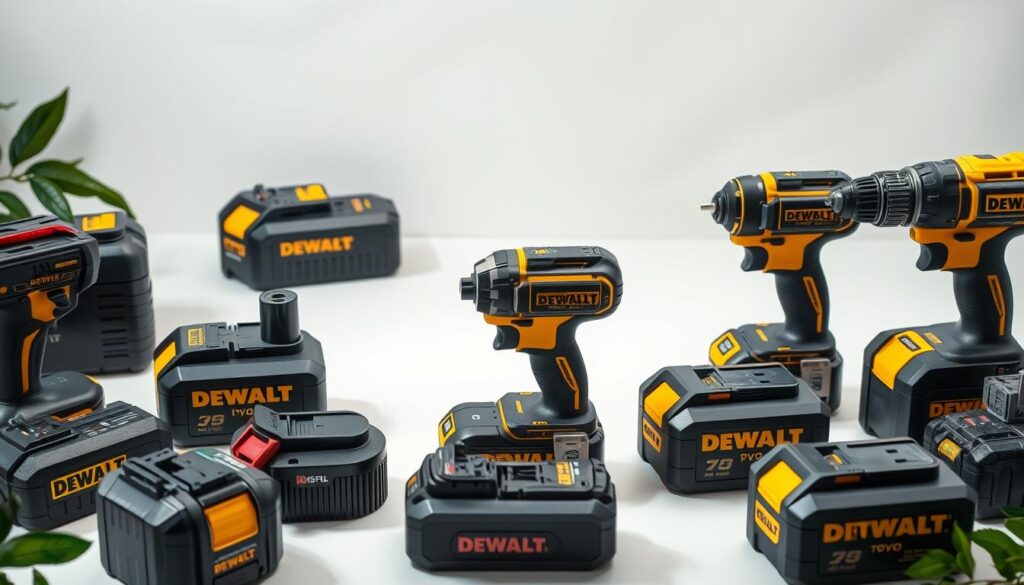
By examining user experiences and feedback, it becomes clear that while there are instances of successful cross-brand battery use, caution and thorough research are necessary to avoid compatibility issues.
Recommended Practices for Battery Use
Proper care and handling of your power tool batteries are crucial for ensuring their longevity and safety. By following the right practices, you can maximize the performance and lifespan of your cordless tool batteries.
Proper Battery Handling
Handling your batteries with care is the first step towards ensuring their optimal performance. Always inspect your batteries for any signs of damage before use. Avoid dropping or subjecting batteries to heavy impacts, as this can cause internal damage. When storing batteries, keep them in a cool, dry place away from metal objects that could cause a short circuit.
Best practices for handling include:
- Storing batteries in a protective case when not in use
- Avoiding extreme temperatures
- Not stacking batteries on top of each other
Safe Usage Techniques
Using your cordless tool batteries safely is paramount. Always follow the manufacturer’s instructions for charging and using your batteries. Avoid overcharging, as this can reduce the battery’s lifespan. Ensure that you are using the correct charger for your battery type, as using an incompatible charger can be dangerous.
Key safety tips include:
- Monitoring battery temperature during charging and use
- Avoiding deep discharge cycles when possible
- Keeping batteries away from children and pets
Maintenance Tips for Longevity
Regular maintenance is essential for prolonging the life of your power tool batteries. This includes cleaning the battery contacts periodically to ensure good connectivity. Check the battery for any signs of wear or damage, and replace it if necessary.
| Maintenance Task | Frequency | Benefit |
|---|---|---|
| Cleaning battery contacts | Every 3 months | Ensures good connectivity |
| Checking for damage | Before each use | Prevents accidents |
| Updating charger firmware | As recommended by manufacturer | Optimizes charging performance |
By adhering to these recommended practices, you can significantly enhance the performance, safety, and longevity of your power tool batteries.
Alternatives to Consider
For Bauer tool users, finding the right battery is crucial for optimal performance and safety. Using the correct battery for your tool is essential, and there are several alternatives to consider beyond DEWALT batteries.
Bauer Batteries Suitable for Bauer Tools
The most straightforward alternative is to use Bauer batteries, which are specifically designed for Bauer tools. These batteries are engineered to provide optimal performance and compatibility, ensuring that your tools operate at their best.
- Bauer batteries offer a range of voltage options to suit different tools and applications.
- They are designed to be durable and long-lasting, reducing the need for frequent replacements.
- Using Bauer batteries eliminates compatibility issues, as they are made to work seamlessly with Bauer tools.
Third-Party Battery Options
Another option is to explore third-party battery manufacturers that offer compatibility with Bauer tools. These batteries can sometimes provide a more affordable alternative without compromising on quality.
When considering third-party batteries, it’s essential to:
- Research the manufacturer’s reputation and read reviews from other users.
- Check the specifications to ensure they match or exceed the original battery’s capabilities.
- Verify that the third-party battery complies with safety standards and regulations.
Future-Proofing Your Tool Investment
As you consider your battery options, it’s also important to think about future-proofing your tool investment. This involves selecting batteries and tools that are likely to remain compatible with future updates and releases.
To future-proof your tools:
- Stay informed about the latest developments from Bauer and other manufacturers.
- Consider purchasing tools and batteries from brands that have a history of maintaining compatibility.
- Invest in tools that have a modular design, allowing for easier upgrades and adaptations.
By exploring these alternatives and considering the long-term implications of your tool choices, you can make informed decisions that enhance your productivity and safety.
Conclusion: Making the Right Choice
Making an informed decision about power tool batteries is crucial for optimal performance and longevity. As we’ve explored throughout this article, the compatibility between DEWALT and Bauer tools is a complex issue that depends on several factors.
Recap of Key Points
The key to understanding compatibility lies in the battery technology used by each brand. DEWALT and Bauer tools have different battery systems, affecting their interchangeability.
- DEWALT Batteries: Known for their high performance and longevity.
- Bauer Batteries: Offered at an affordable price point with unique features.
Final Recommendations
When deciding between DEWALT and Bauer tools, consider your specific needs and budget. If compatibility is a top priority, it’s essential to choose tools within the same brand to avoid potential risks.
| Feature | DEWALT | Bauer |
|---|---|---|
| Battery Technology | Lithium-ion, high capacity | Lithium-ion, affordable |
| Compatibility | Generally not compatible with Bauer | Generally not compatible with DEWALT |
| Price Point | Premium pricing | Budget-friendly |
Encouragement for Research
It’s vital to conduct your own research and consider multiple sources before making a final decision. Your specific needs and preferences should guide your choice.
In conclusion, while both DEWALT and Bauer offer high-quality power tools, their battery systems are not directly compatible. By understanding the key differences and considering your needs, you can make an informed decision that best suits your work requirements.
Frequently Asked Questions (FAQ)
As you navigate the world of power tools, questions often arise about adapting tools for different batteries and ensuring compatibility. Here, we address some of the most common FAQs related to DEWALT and Bauer tools.
Battery Conversion Possibilities
Can you convert your tools to use different batteries? In most cases, converting a tool to use a different battery system is not recommended, as it can compromise the tool’s performance and safety. DEWALT and Bauer tools are designed to work optimally with their respective battery systems, ensuring compatibility and power tool accessories functionality.
Dealing with Ill-Fitting Batteries
If your battery doesn’t fit your tool, it’s likely due to differences in battery connection types or design compatibility. Check the voltage requirements and physical design of both the tool and battery to determine the cause. Using adapters or converters is not advised, as it can lead to safety issues.
Finding More Information
For more information on power tool accessories and battery compatibility, visit the official websites of DEWALT and Bauer. These resources provide detailed guides on tool usage, maintenance, and troubleshooting. You can also consult with professionals or visit local hardware stores for personalized advice on managing your power tool needs.