
The world of power tools is dominated by various brands, each with its own ecosystem of batteries and accessories. Two of the most popular brands are DeWalt and Milwaukee, known for their high-quality products. However, a common question among DIY enthusiasts and professionals is whether a DeWalt battery can be used with Milwaukee tools.
The compatibility between different brands’ batteries and tools is a complex issue, influenced by factors such as voltage, connector design, and proprietary technology. Understanding whether a DeWalt battery can be compatible with Milwaukee tools requires a closer look at these factors.
Key Takeaways
- DeWalt and Milwaukee batteries have different designs and compatibility.
- Using a DeWalt battery with Milwaukee tools may not be straightforward.
- Voltage and connector type are crucial for compatibility.
- Proprietary technology can limit cross-brand compatibility.
- Checking compatibility is essential before using batteries across different tool brands.
Understanding Battery Compatibility in Power Tools
Power tool users often wonder about the compatibility of batteries across different brands, such as DeWalt and Milwaukee. This curiosity stems from the desire to utilize batteries interchangeably, potentially saving money and reducing the clutter of having multiple batteries for different tools.
The Importance of Battery Compatibility
Battery compatibility is crucial because it directly affects the performance and safety of power tools. Using a battery that is not designed for a specific tool can lead to reduced tool performance, overheating, or even damage to the tool or battery.
The importance of compatibility can be understood by looking at the potential consequences of mismatched batteries, including safety risks and decreased tool lifespan.
| Aspect | Compatible Battery | Incompatible Battery |
|---|---|---|
| Tool Performance | Optimal Performance | Reduced or Erratic Performance |
| Safety | Safe Operation | Risk of Overheating or Explosion |
| Battery Life | Expected Lifespan | Reduced Lifespan |
Common Issues with Mismatched Batteries
Mismatched batteries can cause a range of issues, from poor tool performance to safety hazards. Some common problems include:
- Insufficient power delivery
- Overheating of the tool or battery
- Premature wear of tool components
Understanding these risks is essential for maintaining the longevity of power tools and ensuring user safety.
Overview of DeWalt Battery Systems
Exploring DeWalt battery systems reveals a complex ecosystem designed to meet various power needs. DeWalt, a renowned brand in the power tool industry, offers a range of battery systems that cater to different tool types and user requirements.
Types of DeWalt Batteries
DeWalt batteries are categorized mainly based on their voltage and chemistry. The most common types include Li-ion (Lithium-ion) batteries, which are known for their high energy density and long cycle life. DeWalt offers batteries in various voltages such as 12V, 18V, 20V, and 60V, each designed for specific tool applications.
The 18V and 20V batteries are among the most popular, powering a wide range of tools from drills and saws to sanders and impact drivers. The choice between these voltages often depends on the tool’s power requirements and the user’s preference for battery size and weight.
Voltage and Amp Hour Ratings
Understanding the voltage and amp-hour (Ah) ratings of DeWalt batteries is crucial for selecting the right battery for your tools. Voltage indicates the power output, while Ah rating signifies the battery’s capacity or how long it will last on a single charge.
For instance, an 18V 5Ah battery will generally provide longer runtime compared to an 18V 2Ah battery when used in the same tool. However, higher Ah batteries may be larger and heavier.
| Voltage | Amp Hour (Ah) Rating | Typical Applications |
|---|---|---|
| 12V | 1.3Ah, 2Ah | Small tools, LED lights |
| 18V/20V | 2Ah, 4Ah, 5Ah, 6Ah | Drills, saws, impact drivers, sanders |
| 60V | 2Ah, 4Ah, 6Ah | High-power tools like circular saws and string trimmers |
DeWalt’s battery system is designed to be versatile, with many tools compatible with the same battery platform. This compatibility is a significant advantage for users who own multiple DeWalt tools.
Overview of Milwaukee Battery Systems
Understanding Milwaukee’s battery systems is essential for users who want to maximize their tool’s potential. Milwaukee’s battery lineup is designed to offer robust performance and compatibility with a wide range of tools, making it a crucial aspect of their power tool ecosystem.
Types of Milwaukee Batteries
Milwaukee offers several types of batteries, including Lithium-ion (Li-ion) batteries, which are known for their high energy density and long cycle life. The Li-ion batteries are available in various capacities, measured in ampere-hours (Ah), to suit different user needs.
Lithium-ion batteries are favored for their lightweight and high-performance characteristics. They provide a consistent power output, making them suitable for demanding applications.
Battery Voltage Variations
Milwaukee batteries come in different voltage ratings, such as 12V, 18V, and 28V, each designed for specific tool applications. The 18V battery system is particularly popular, offering a balance between power and portability for a wide range of tools.
The voltage of a battery affects its power output, with higher voltage batteries generally providing more power for heavy-duty tasks. Understanding these voltage variations is crucial when considering the interchangeability of DeWalt and Milwaukee batteries.
When assessing the compatibility between DeWalt and Milwaukee batteries, it’s essential to consider the implications of using batteries across different brands. The interchangeability of DeWalt and Milwaukee batteries is limited due to differences in battery design and tool specifications. Users should be cautious when attempting to use batteries from one brand with tools from another brand.
Key Differences Between DeWalt and Milwaukee Batteries
When considering a battery swap between DeWalt and Milwaukee tools, it’s essential to grasp the fundamental differences between their battery systems. This understanding is crucial for assessing compatibility and potential performance impacts.
Design and Compatibility Concerns
DeWalt and Milwaukee batteries are designed with specific form factors and connector configurations that are unique to their respective tool ecosystems. For instance, DeWalt batteries utilize a distinct connector and housing design that differs from Milwaukee’s battery architecture. This difference is a significant barrier to directly swapping batteries between the two brands.
Compatibility concerns arise not only from physical design differences but also from the electronic communication protocols between the battery and the tool. Milwaukee tools, for example, are engineered to communicate with their batteries through specific protocols that ensure optimal performance and safety. Using a DeWalt battery with a Milwaukee tool could disrupt this communication, potentially leading to operational issues or safety risks.
Performance Differences
The performance of DeWalt and Milwaukee batteries can vary significantly due to differences in battery chemistry, voltage, and amp-hour ratings. DeWalt batteries, known for their high capacity and durability, may offer longer runtime and more robust performance in certain applications. Conversely, Milwaukee batteries are designed to provide high power output and are often favored for heavy-duty tasks.
When evaluating the possibility of a dewalt milwaukee battery swap, it’s crucial to consider these performance differences. Adapting a DeWalt battery to a Milwaukee tool, or vice versa, may result in compromised performance, including reduced runtime or power output. Moreover, such adaptations could void warranties and potentially pose safety hazards.
In conclusion, while the idea of swapping batteries between DeWalt and Milwaukee tools might seem appealing for convenience or cost savings, the differences in design, compatibility, and performance must be carefully considered. Understanding these factors is key to making informed decisions about battery usage and ensuring the safe operation of power tools.
Adapter Options for Interchanging Batteries
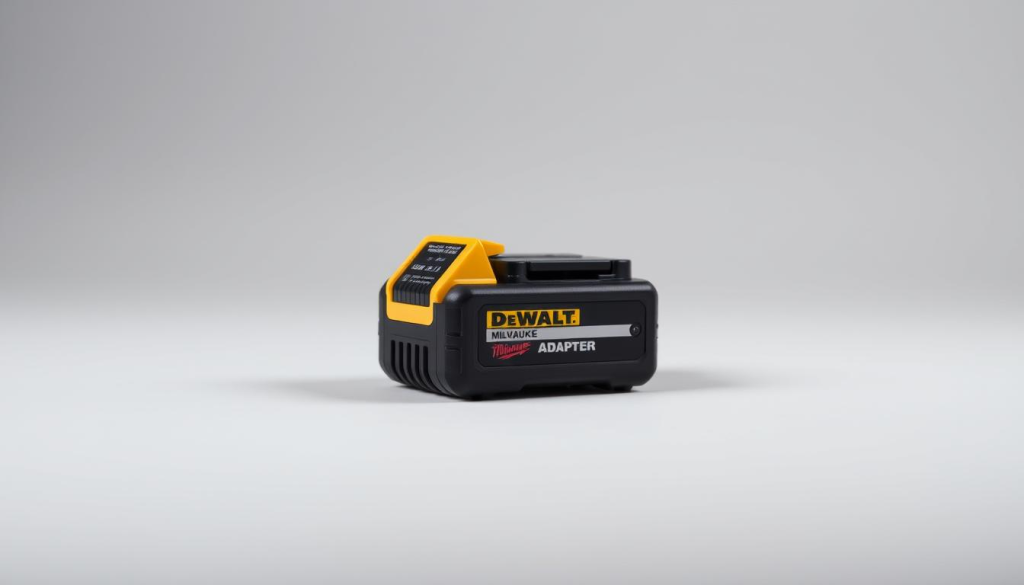
Users can now bridge the compatibility gap between DeWalt and Milwaukee tools using aftermarket battery adapters. These adapters have become a practical solution for professionals and DIYers alike, seeking to leverage the strengths of different tool brands.
Aftermarket Battery Adapters
Aftermarket battery adapters are designed to allow batteries from one brand to be used with tools from another brand. For instance, a DeWalt battery can be adapted to fit a Milwaukee tool, providing users with more flexibility in their work.
Key Features of Aftermarket Adapters:
- Compatibility with various battery types and tool brands
- Easy installation and removal
- Durable construction to withstand regular use
Pros and Cons of Using Adapters
Using aftermarket battery adapters can have several advantages, including cost savings and increased tool versatility. However, there are also potential drawbacks to consider.
Advantages:
- Cost-effective: Instead of purchasing new tools or batteries, adapters provide a cheaper alternative.
- Increased versatility: Users can mix and match batteries and tools from different brands.
Disadvantages:
- Safety concerns: Improperly designed or used adapters can lead to safety issues, such as overheating or electrical shock.
- Warranty voidance: Using aftermarket adapters may void the manufacturer’s warranty.
- Performance variability: The performance of the tool and battery may be affected by the adapter’s quality.
In conclusion, aftermarket battery adapters offer a viable solution for users seeking to interchange batteries between DeWalt and Milwaukee tools. While there are benefits to using these adapters, it’s crucial to weigh these against potential drawbacks and consider factors like safety and performance.
Factors to Consider When Switching Batteries
The decision to interchange DeWalt and Milwaukee batteries requires careful consideration of multiple factors. Users must weigh the benefits against the potential risks to their tools and safety.
Tool Performance and Safety
One of the primary concerns when switching batteries is the impact on tool performance. Different battery systems have varying power outputs and efficiencies, which can affect how well a tool operates. For instance, using a DeWalt battery in a Milwaukee tool might result in reduced performance or inconsistent power supply.
Safety is another critical aspect. Incompatible batteries can lead to overheating, damage to the tool, or even accidents. It’s essential to ensure that the battery’s voltage and ampere-hour ratings are compatible with the tool’s requirements.
Warranty Concerns
Using non-native batteries can also have implications for the tool’s warranty. Manufacturers often specify that only their branded batteries should be used, and violating this can void the warranty. Users should check their tool’s warranty terms before attempting to use a different brand’s battery.
Furthermore, the interchangeability of batteries between brands like DeWalt and Milwaukee can be limited by design and patent restrictions. Aftermarket adapters might be available, but these can also introduce safety risks and performance issues.
Real-Life Experiences from Users
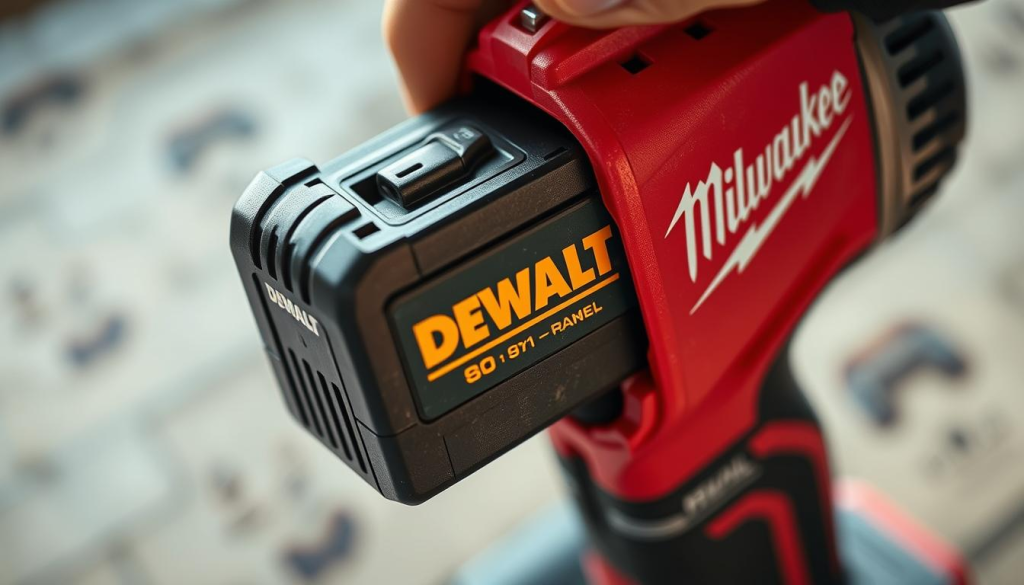
The practice of using DeWalt batteries with Milwaukee tools has garnered significant attention, with users reporting varied outcomes. This section delves into the real-life experiences of users who have attempted to interchange batteries between these two popular brands.
Success Stories of Battery Swaps
Some users have reported successful battery swaps, achieving the desired functionality without significant issues. For instance, a user on a DIY forum shared,
‘I managed to use my DeWalt 20V battery with my Milwaukee drill using an adapter, and it worked flawlessly.’
Such success stories often highlight the potential for cross-brand compatibility with the right adapters or modifications.
Another user reported a successful swap on a construction forum, stating,
‘After trying several adapters, I found one that allowed my DeWalt battery to power my Milwaukee impact driver efficiently.’
These stories underscore the resourcefulness of the power tool community and the potential for innovative solutions.
Challenges Faced by Users
Despite some success stories, many users have encountered challenges when attempting to use DeWalt batteries with Milwaukee tools. Common issues include compatibility problems, reduced tool performance, and safety concerns. A user on a tool enthusiast forum noted,
‘I tried using a DeWalt battery with my Milwaukee tool, but it didn’t fit properly, and the tool didn’t perform as expected.’
Others have reported safety issues, such as overheating or tool malfunction, when using mismatched batteries.
‘I experienced overheating when I used a DeWalt battery with my Milwaukee circular saw. It was a clear sign that it wasn’t compatible.’
Such experiences highlight the importance of ensuring compatibility and safety when experimenting with battery swaps.
In conclusion, while some users have successfully interchanged DeWalt and Milwaukee batteries, others have faced significant challenges. It’s crucial for users to weigh the pros and cons, consider safety, and potentially consult experts before attempting such swaps.
Expert Opinions on Battery Compatibility
Tool specialists have weighed in on the compatibility of DeWalt and Milwaukee batteries, offering valuable insights for users. The debate surrounding whether DeWalt batteries can be used with Milwaukee tools has garnered significant attention among professionals and DIY enthusiasts.
Insights from Tool Specialists
Industry experts emphasize that battery compatibility is not just about physical fitting but also about ensuring optimal performance and safety. According to tool specialists, using a DeWalt battery with a Milwaukee tool could lead to inefficiencies due to differences in battery technology and design.
Key considerations include:
- Voltage and ampere-hour ratings
- Battery chemistry (e.g., Lithium-ion)
- Communication protocols between the tool and battery
Recommendations for Users
For those considering using DeWalt batteries with Milwaukee tools or vice versa, experts recommend exercising caution. It’s crucial to check the specifications of both the tool and the battery to ensure compatibility.
Here are some steps to follow:
- Consult the user manual or manufacturer’s website
- Look for aftermarket adapters if available
- Consider the potential impact on warranty and safety
In conclusion, while there are various opinions on the compatibility of DeWalt and Milwaukee batteries, experts stress the importance of safety and performance. Users are advised to proceed with caution and consult expert recommendations.
Industry Standards for Battery Compatibility
Understanding industry standards for battery compatibility is essential for both manufacturers and consumers to ensure safe and effective use of power tools. These standards dictate how batteries are designed, tested, and integrated into power tools, affecting overall performance and user safety.
Understanding Battery Specifications
Battery specifications are a critical component of industry standards, defining parameters such as voltage, ampere-hour (Ah) rating, and physical dimensions. For instance, DeWalt and Milwaukee batteries have different specifications that determine their compatibility with various power tools. Voltage and Ah ratings are particularly important as they directly impact the performance and runtime of power tools.
The specifications also include details about the battery’s chemistry, such as Lithium-ion (Li-ion), Nickel-Cadmium (Ni-Cd), or Nickel-Metal Hydride (NiMH), each having its own set of characteristics and applications. Understanding these specifications helps manufacturers design tools that are optimized for specific battery types, ensuring optimal performance and safety.
Safety Regulations
Safety regulations are a cornerstone of industry standards for battery compatibility, aiming to protect users from potential hazards associated with battery misuse or malfunction. These regulations cover aspects such as overcharge protection, thermal monitoring, and short-circuit prevention, ensuring that batteries operate within safe limits.
Manufacturers like DeWalt and Milwaukee adhere to these regulations by incorporating safety features into their battery designs. For example, many modern Li-ion batteries include protection circuits that prevent overcharging and overheating, significantly reducing the risk of battery-related accidents.
- Proper labeling and documentation to inform users about safe usage practices.
- Testing and certification processes to ensure compliance with safety standards.
- Design requirements that minimize the risk of electrical shock or fire.
By following these industry standards and safety regulations, manufacturers can ensure that their batteries are not only compatible with their tools but also safe for consumers to use.
FAQs About Battery Compatibility
One of the most frequently asked questions in the power tool community is whether a DeWalt battery can be used with Milwaukee tools. This concern is paramount for professionals and DIYers who invest in multiple tool brands and seek flexibility in their battery usage.
Can I Use a DeWalt Battery in Milwaukee Tools?
The short answer is no, you cannot directly use a DeWalt battery in Milwaukee tools due to differences in battery design, voltage, and connector configurations. DeWalt and Milwaukee batteries are engineered to work optimally with their respective tool systems, ensuring safety and performance.
Incompatibility Reasons:
- Different Connector Designs: DeWalt and Milwaukee use distinct battery connectors that prevent cross-brand compatibility.
- Voltage and Amp Hour Variations: Although both brands offer various voltage options, their battery systems are not interchangeable.
What Happens If I Try?
Attempting to use a DeWalt battery with a Milwaukee tool, either directly or through an adapter, can have several negative outcomes:
| Potential Outcome | Description |
|---|---|
| Tool Damage | Mismatched batteries can damage the tool’s electrical system or motor. |
| Safety Risks | Using incompatible batteries can lead to overheating, electrical shock, or fire hazards. |
| Warranty Voidance | Using a DeWalt battery with a Milwaukee tool typically voids the tool’s warranty. |
For those seeking flexibility, aftermarket battery adapters are available. However, it’s crucial to research these adapters thoroughly to ensure they meet safety standards and do not compromise tool performance.
In conclusion, while the idea of using DeWalt batteries with Milwaukee tools might seem convenient, it’s generally not recommended due to safety and performance concerns. Always check the manufacturer’s guidelines for battery compatibility to ensure optimal tool operation and user safety.
Future of Battery Technology in Power Tools
Emerging trends in battery technology are set to redefine the landscape of power tools, enhancing performance and interoperability. As the demand for more efficient and versatile power tools continues to grow, manufacturers are focusing on developing advanced battery systems.
Trends in Battery Design
Recent advancements in battery design are centered around improving energy density, reducing charging times, and enhancing overall tool performance. For instance, the development of lithium-ion batteries has significantly impacted the power tool industry by offering higher energy density and longer lifetimes compared to traditional battery technologies.
Innovations in battery management systems are also playing a crucial role in optimizing battery performance and safety. These systems help in monitoring battery health, preventing overcharging, and ensuring that batteries operate within safe temperature ranges.
Potential for Cross-Brand Compatibility
The potential for cross-brand compatibility is an area of significant interest among power tool users. While dewalt and milwaukee battery interchange is not currently a standard feature, advancements in battery technology could pave the way for more universal battery systems in the future.
Some manufacturers are exploring the development of adapter systems that could enable users to use batteries across different tool brands, such as facilitating a dewalt milwaukee battery swap. However, such adapters must be carefully designed to ensure safety and maintain tool performance.
The future may also see standardization efforts across the industry, potentially leading to batteries that are compatible with tools from multiple manufacturers. This could simplify inventory management for professionals and reduce costs for consumers.
Conclusion
Understanding dewalt and milwaukee battery compatibility is crucial for optimizing tool performance and safety. As discussed, the differences in battery design and voltage ratings between DeWalt and Milwaukee tools can significantly impact their interchangeability.
Practical Considerations for Tool Users
When considering battery swaps, it’s essential to weigh the pros and cons, including potential impacts on tool performance and warranty validity. Users should also be aware of the safety regulations and industry standards governing battery compatibility.
Future Outlook
The trend towards greater cross-brand compatibility in battery technology is promising, with manufacturers continually innovating to improve user convenience. For now, users must remain informed about the compatibility dewalt milwaukee batteries to make the most of their power tools.